Top 15 SUVs Coming to India in 2026: New Duster, Electric Sierra and More
India’s love affair with SUVs is no longer just about size or road presence. By 2026, the segment will reflect deeper changes underway in the Indian car market, including electrification becoming mainstream, petrol engines receiving a second wind through new technology, and buyers demanding premium features even in familiar nameplates. What’s coming next year is not just a list of new launches. It’s a clear signal of where the market is headed.
Why 2026 Matters for SUV Buyers

The year stands out because manufacturers are no longer experimenting. EVs are moving beyond early adopters, hybrids are being positioned as practical alternatives, and facelifts are being used to push technology rather than cosmetic tweaks. For buyers, this means more meaningful choices rather than incremental upgrades.
At the same time, competition is intensifying in every band, from compact SUVs under Rs 10 lakh to feature-loaded midsize and electric offerings above Rs 20 lakh. Brands can no longer rely on legacy alone.
The Comeback Everyone Is Watching: New Renault Duster
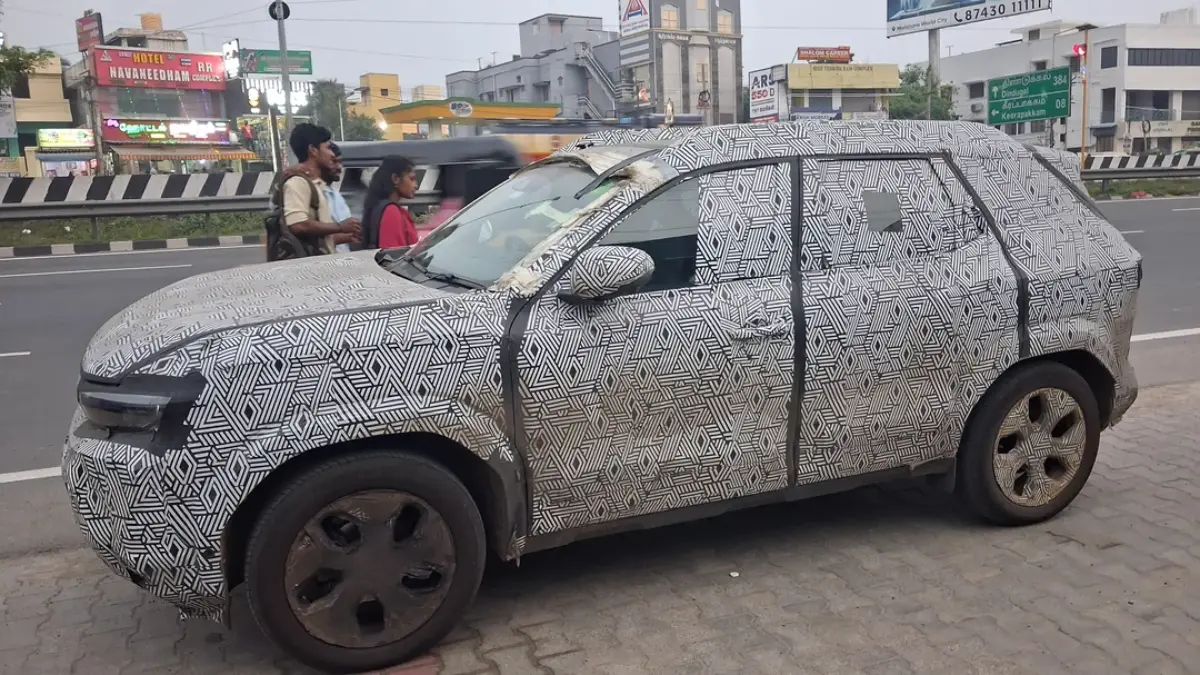
Few names carry as much emotional weight in India’s SUV journey as the Duster. Its return in a new-generation avatar is significant not because of nostalgia, but because it arrives with a global platform, modern safety tech, and a renewed focus on petrol efficiency. The new Duster aims to reclaim relevance in a segment that has grown far more crowded and sophisticated since it left.
If Renault prices it right, this could be one of the most consequential launches of the year.
Tata’s Dual Strategy: Petrol Revival and EV Expansion
Tata Motors’ 2026 SUV line-up reflects a rare dual-track approach. On one hand, the Harrier and Safari finally get petrol power, addressing a long-standing gap for buyers hesitant about diesel-only options. On the other hand, the Sierra EV marks a symbolic and strategic leap.
The Sierra EV is not just another electric SUV. It represents Tata’s attempt to move EVs up the emotional ladder, blending legacy design cues with modern electric architecture. With claimed long-range capability, it targets buyers who want zero-emission mobility without compromise.
Mahindra’s Familiar Names, New Ambitions
Mahindra is doubling down on its strongest assets. The reworked XUV7XO, along with facelifts for the Scorpio N and Thar, shows a brand confident in its core products but eager to elevate the experience.
The focus is clearly on interiors, digital interfaces, and advanced driver assistance systems. For buyers, this means the rugged appeal remains, but the cabins finally catch up with global expectations.
Maruti Suzuki and Toyota: EVs Go Mainstream
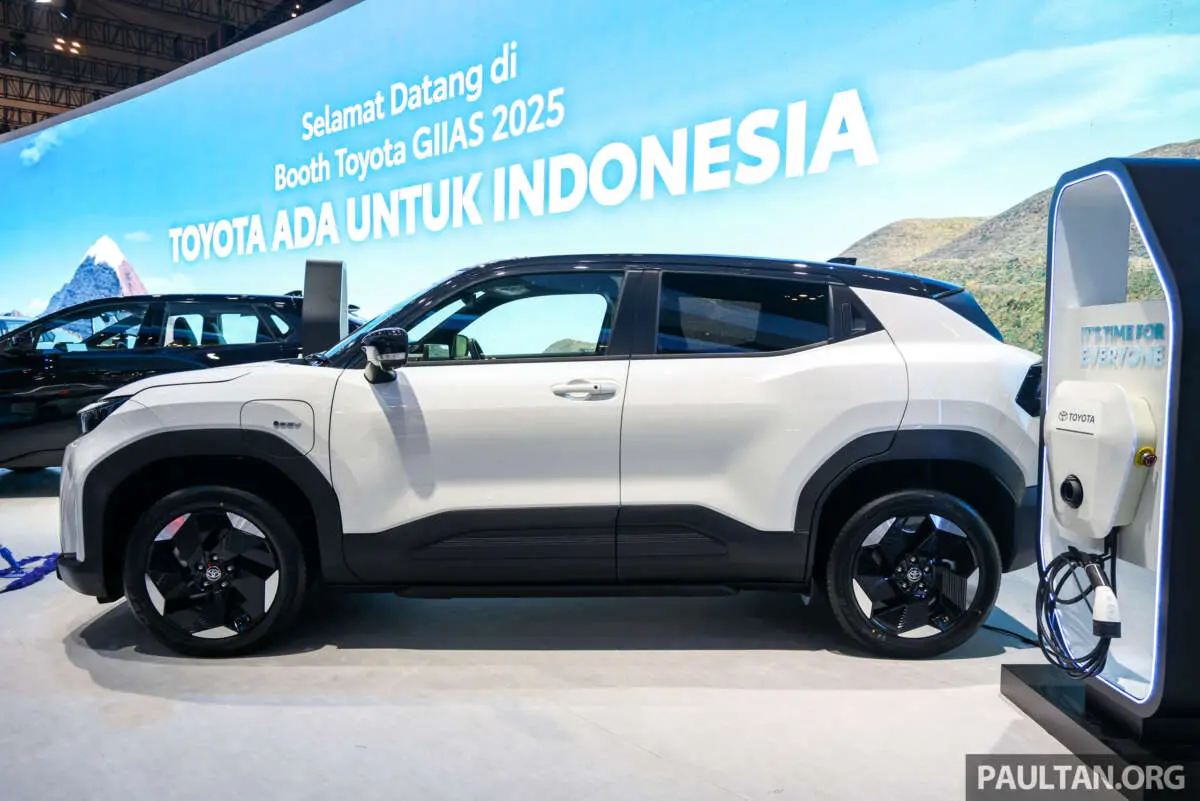
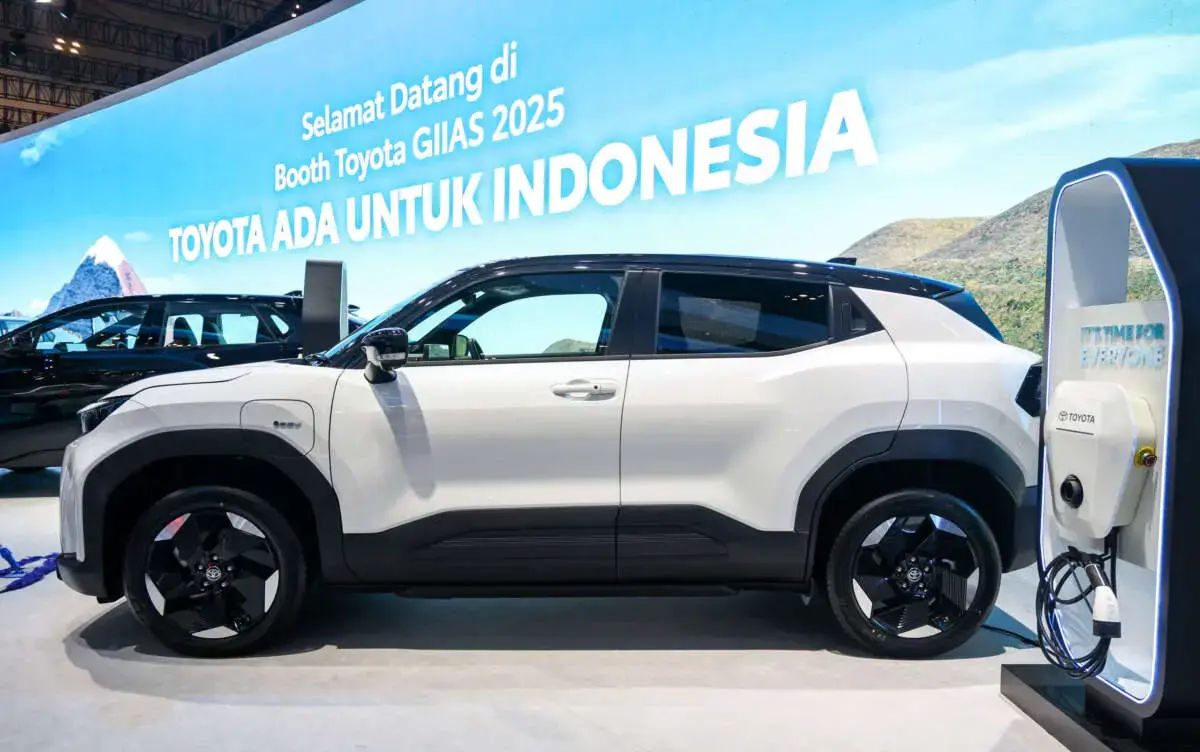
The arrival of the e Vitara and Toyota’s Urban Cruiser BEV underlines a critical shift. When India’s most trusted mass-market brands enter the EV space seriously, electric mobility stops being niche.
These SUVs are expected to prioritise range reliability, everyday usability, and wide service support rather than radical design. That approach could make EVs far more acceptable to traditional SUV buyers in Tier 2 and Tier 3 cities.
Facelifts That Matter More Than Ever
Mid-cycle updates for models like the Kushaq, Taigun, Punch, and Punch EV are not mere refreshes. They reflect how fast buyer expectations are evolving. Larger touchscreens, better safety tech, and cleaner cabin layouts are now non-negotiable, even in familiar products.
In many cases, these facelifts may offer better value than all-new launches, especially for buyers prioritising reliability over novelty.
New Nameplates and Design Experiments
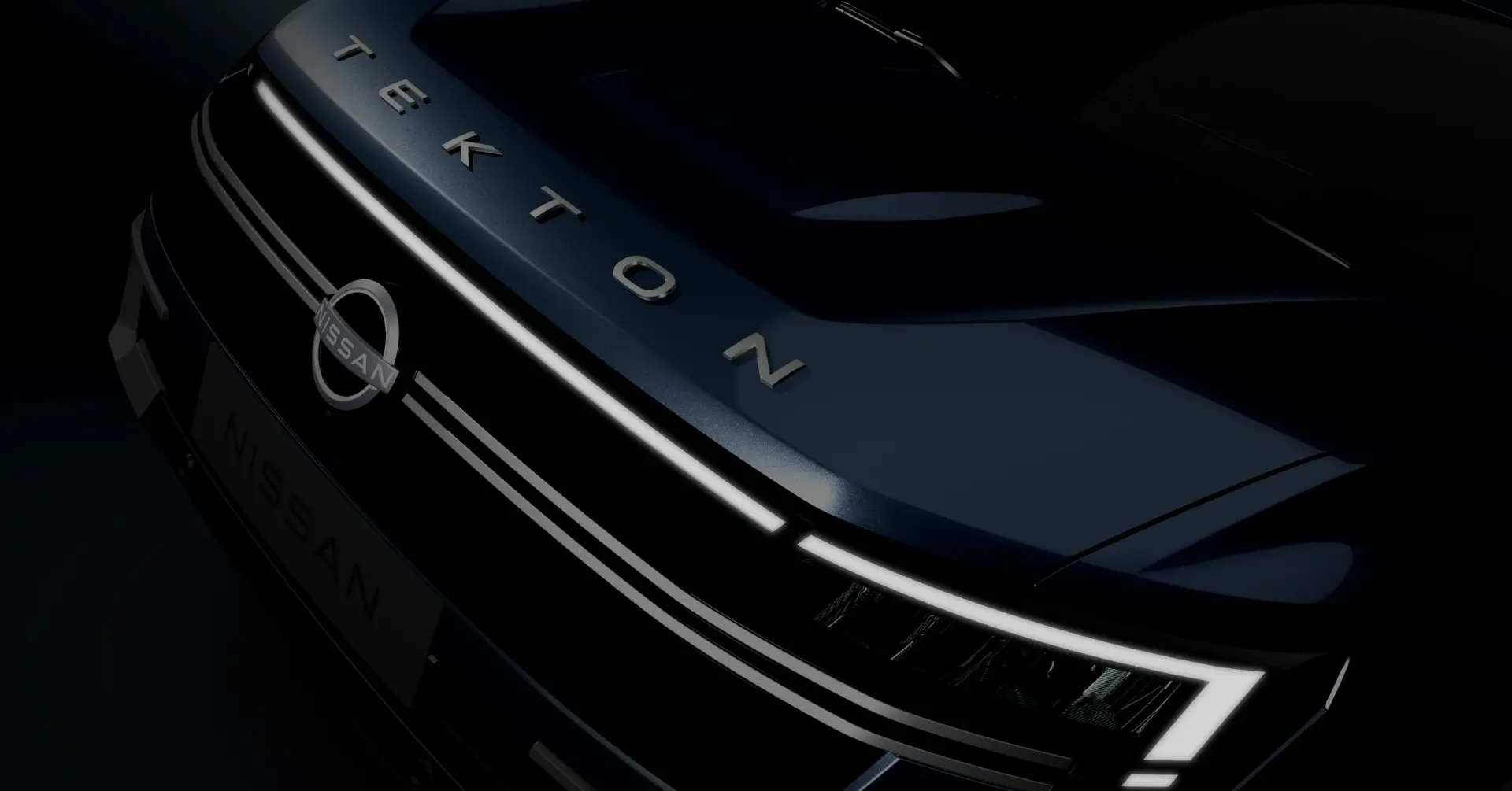
Nissan’s upcoming Tekton adds another layer to the midsize SUV battle. With styling inspired by global SUVs and a platform shared with Renault, it signals Nissan’s intent to rebuild its India story cautiously but purposefully.
Meanwhile, flex-fuel variants like the Fronx hint at how manufacturers are preparing for fuel diversity and future regulations without alienating current buyers.
What This Means for Indian Buyers
For the first time in years, SUV buyers in India will not be forced into a single narrative. Diesel loyalists, petrol traditionalists, EV adopters, and hybrid-curious customers will all find credible options.
More importantly, the focus is shifting from just launches to long-term ownership experience. Software, safety, charging ecosystems, and after-sales support will play a bigger role in decisions than ever before.
Looking Ahead
2026 is shaping up to be less about shock value and more about maturity. The SUVs arriving next year suggest an industry that understands Indian buyers better than before. If pricing aligns with expectations, this could be the most buyer-friendly phase the SUV market has seen in over a decade.
For consumers, the smartest move may not be rushing to buy, but watching closely. The next wave is coming, and it’s far more meaningful than it looks at first glance.
