Electric Two-Wheeler Sales Hit 12.8 Lakh Units in 2025
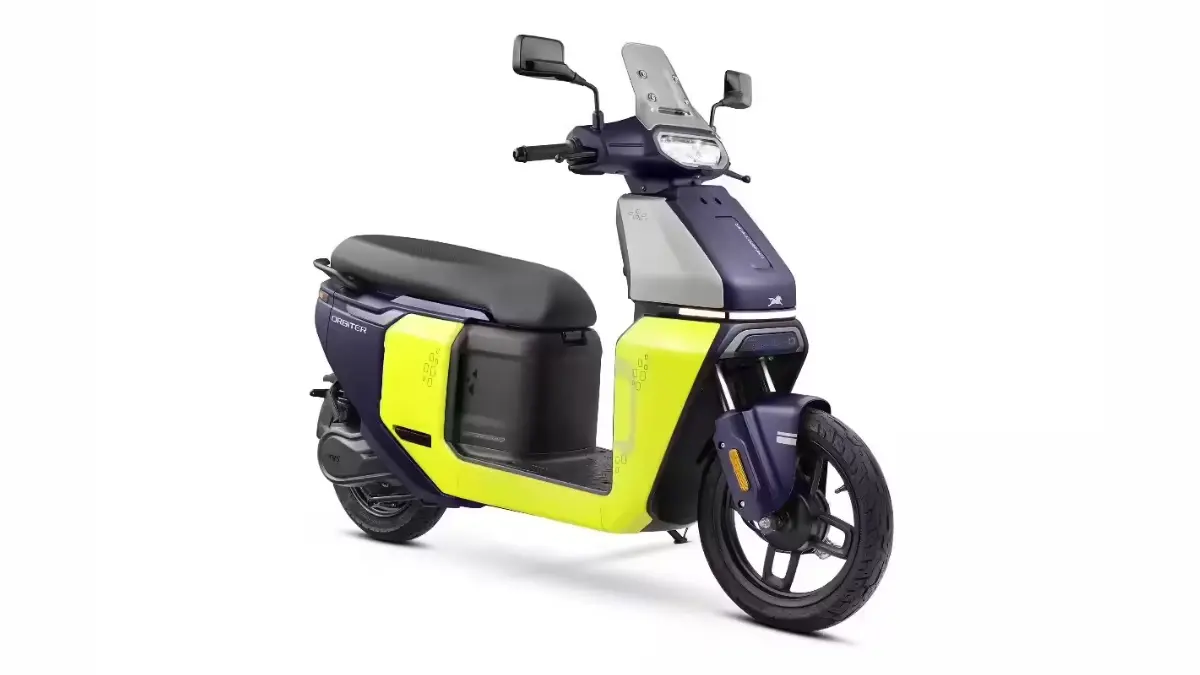
Electric two-wheelers quietly cemented their position as the backbone of India’s EV transition in 2025. With sales crossing 12.8 lakh units, the segment not only delivered steady double-digit growth but also accounted for more than half of all electric vehicles sold in the country last year. On paper, this looks like another strong year for EV adoption. In reality, 2025 signalled something more important: the market is no longer driven by hype cycles or early adopters alone.
| Brand | Sales in 2025 | Market Share in 2025 |
| TVS Motor Company | 2,98,867 | 23% |
| Bajaj Auto | 2,69,836 | 21% |
| Ather Energy | 2,00,795 | 16% |
| Ola Electric | 1,99,316 | 15.6% |
| Hero MotoCorp | 1,09,167 | 8.5% |
For the first time, electric scooters and motorcycles made up a meaningful 6.3 percent of India’s overall two-wheeler sales. That number may appear modest, but in a market of over 20 million annual two-wheeler buyers, even fractional shifts represent large behavioural changes. Electric mobility is now moving from a niche alternative to a default consideration in urban and semi-urban households.
What makes 2025 especially significant is not just the volume, but who delivered it. Established manufacturers with deep dealer networks and production discipline emerged stronger, while the startup-led dominance seen in previous years softened. TVS Motor Company ended the year as the largest electric two-wheeler seller in India, edging close to the three-lakh-unit mark. Bajaj Auto followed closely, overcoming supply disruptions and still posting its best-ever EV performance.
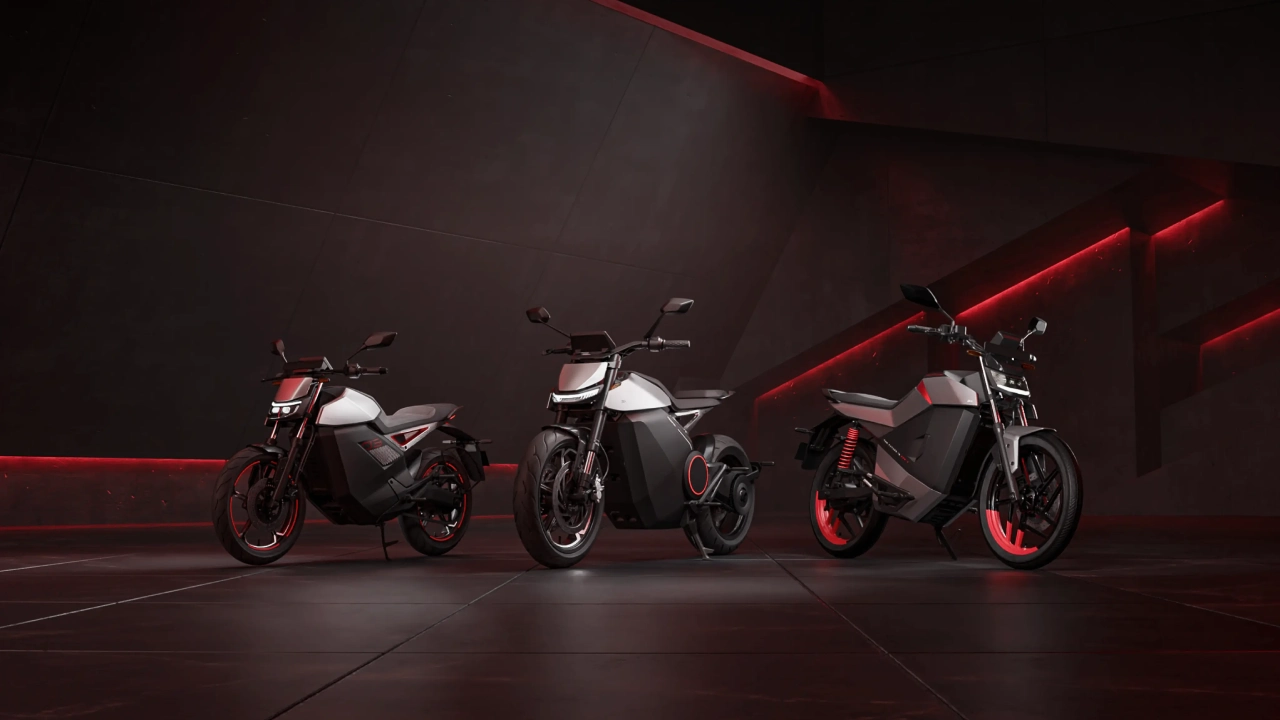
This shift reflects a broader market reality. As electric two-wheelers move beyond early adopters, buyers are placing greater weight on reliability, service reach, resale confidence, and long-term ownership costs. Legacy brands, with decades of customer trust and nationwide footprints, are naturally better positioned to answer these concerns. The success of family-oriented products also reinforces this trend, with practical use cases now driving purchase decisions more than novelty or aggressive performance claims.
Another telling development in 2025 was the narrowing gap between brands. The market is no longer defined by a single runaway leader. Instead, it is shaping into a competitive, multi-player landscape where monthly leadership changes are common. This is typically a sign of a maturing segment, where execution consistency matters more than rapid expansion alone.
At the same time, the year exposed how volatile growth can be if scale is not matched with operational stability. Production bottlenecks, component dependencies, and after-sales challenges had a visible impact on some players. In a price-sensitive market like India, even short-term disruptions can quickly translate into lost momentum.
From a policy and infrastructure standpoint, the numbers also strengthen the case for faster charging network expansion and clearer long-term incentive frameworks. With electric two-wheelers now forming the majority of EV sales, their success or failure will heavily influence India’s broader electrification goals. State governments and urban planners will increasingly need to align infrastructure development with this reality.
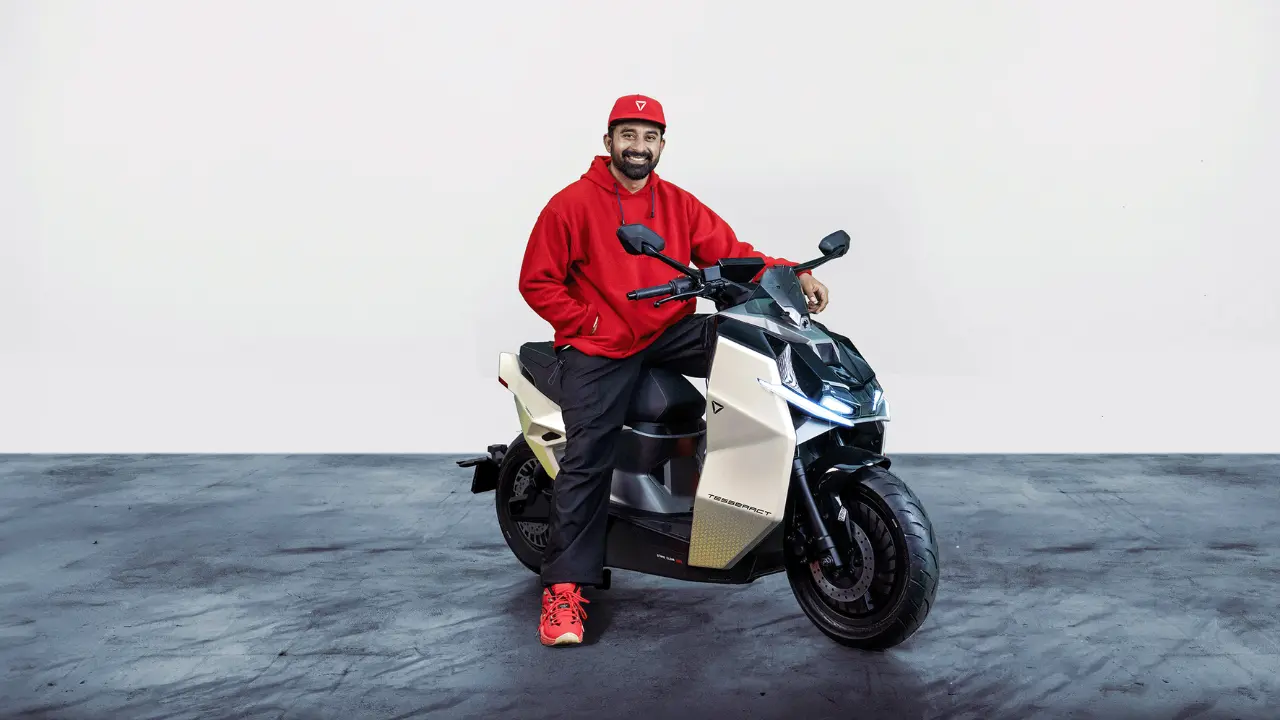
Looking ahead to 2026, the focus is likely to shift from pure sales growth to profitability, localisation, and product differentiation. As competition intensifies, brands will need to move beyond price cuts and subsidies to win customers. Better battery warranties, transparent service costs, and real-world range consistency will become decisive factors.
In that sense, 2025 may be remembered less for the 12.8 lakh figure and more for what it represented. The electric two-wheeler market in India has crossed the experimentation phase. It is now entering a phase where trust, scale, and everyday usability will define the winners.
