All Major Car & SUV Launches of 2025 – Tata, Mahindra, Maruti, Hyundai, Kia
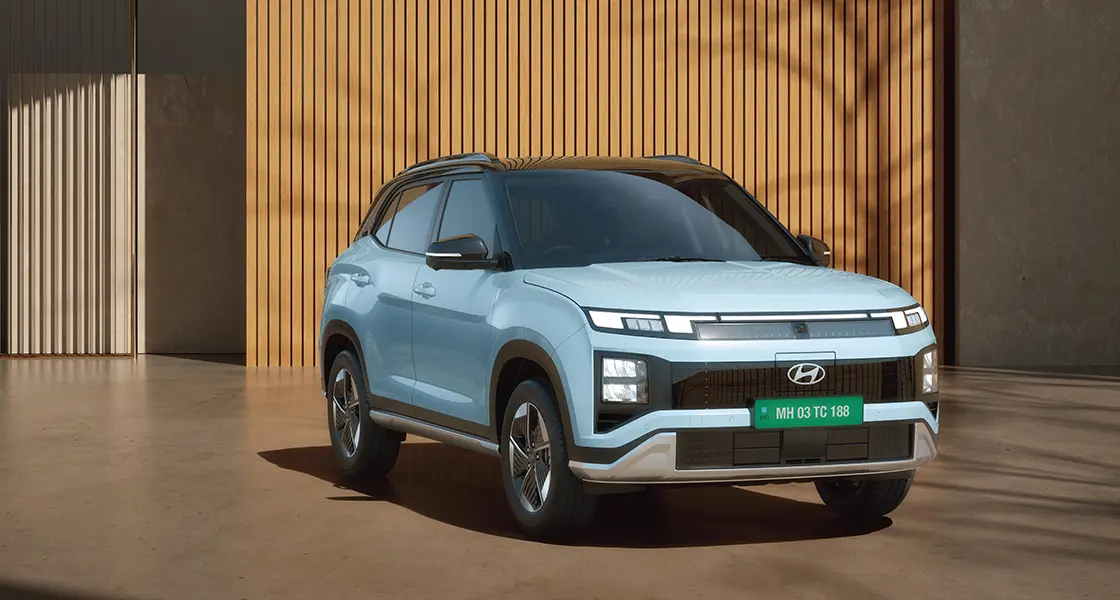
2025 will be remembered as a milestone year for India’s car market. Not because of one blockbuster model, but because every major brand tried to redefine its identity. This wasn’t a year of incremental updates. It was a year where Tata pushed design boundaries, Mahindra sharpened its EV strategy, Maruti finally embraced premium tech, and Hyundai–Kia expanded their dominance with electrification and new segments. What emerged was a clear picture of where Indian mobility is headed.
Tata Sierra: Reinventing an Icon for a New Generation
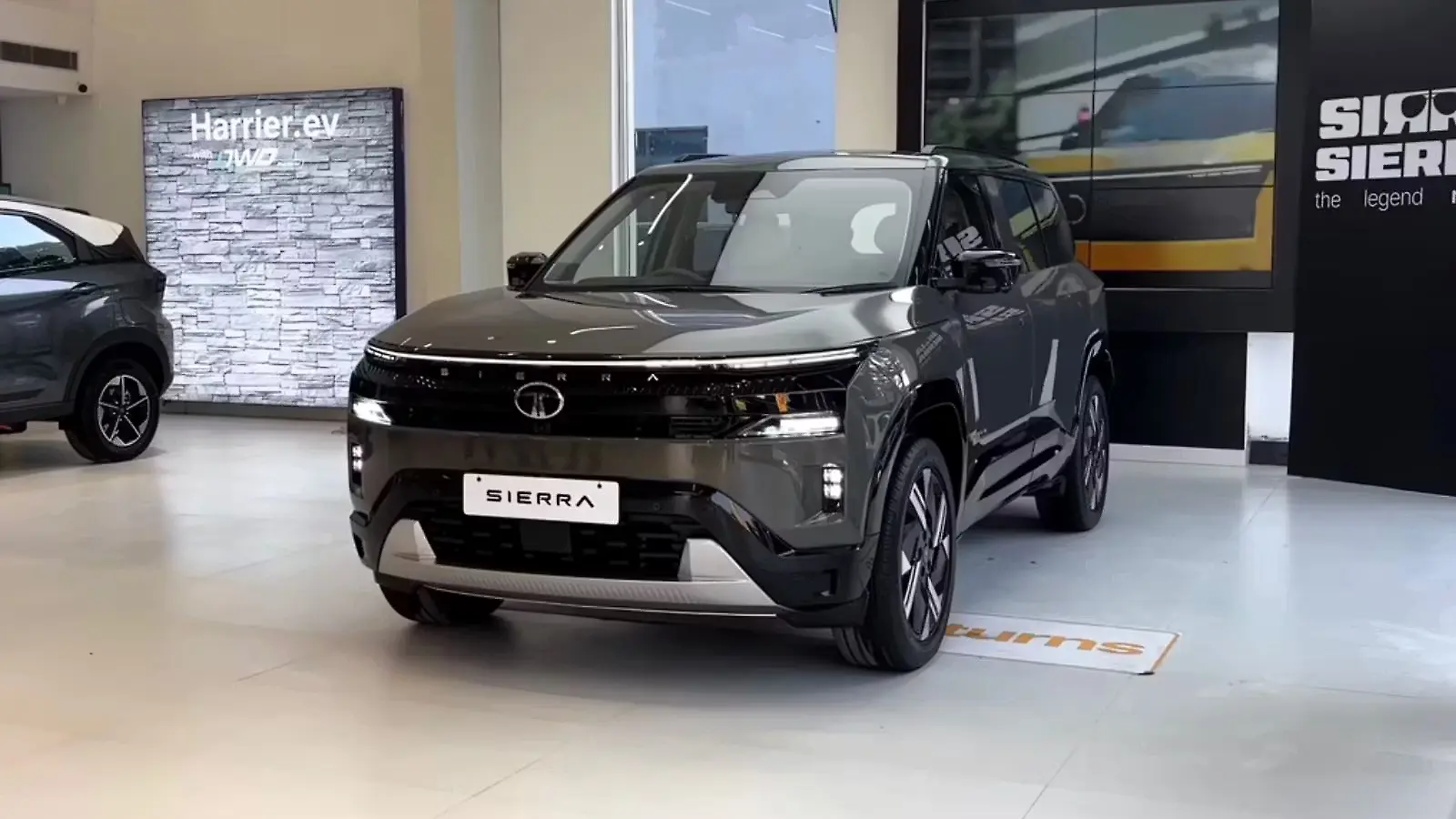
Tata’s biggest launch of 2025 wasn’t just another SUV. Sierra symbolised Tata’s ambition to move beyond safe, conservative design and compete directly with global players. Despite staying under 4.3m, it delivers a large-car experience with premium materials and tech never seen before from the brand. The debut of Tata’s new 1.5L petrol engine also signals a fresh focus on performance and refinement.
Mahindra XEV 9S: The EV That Makes Mass Adoption Possible
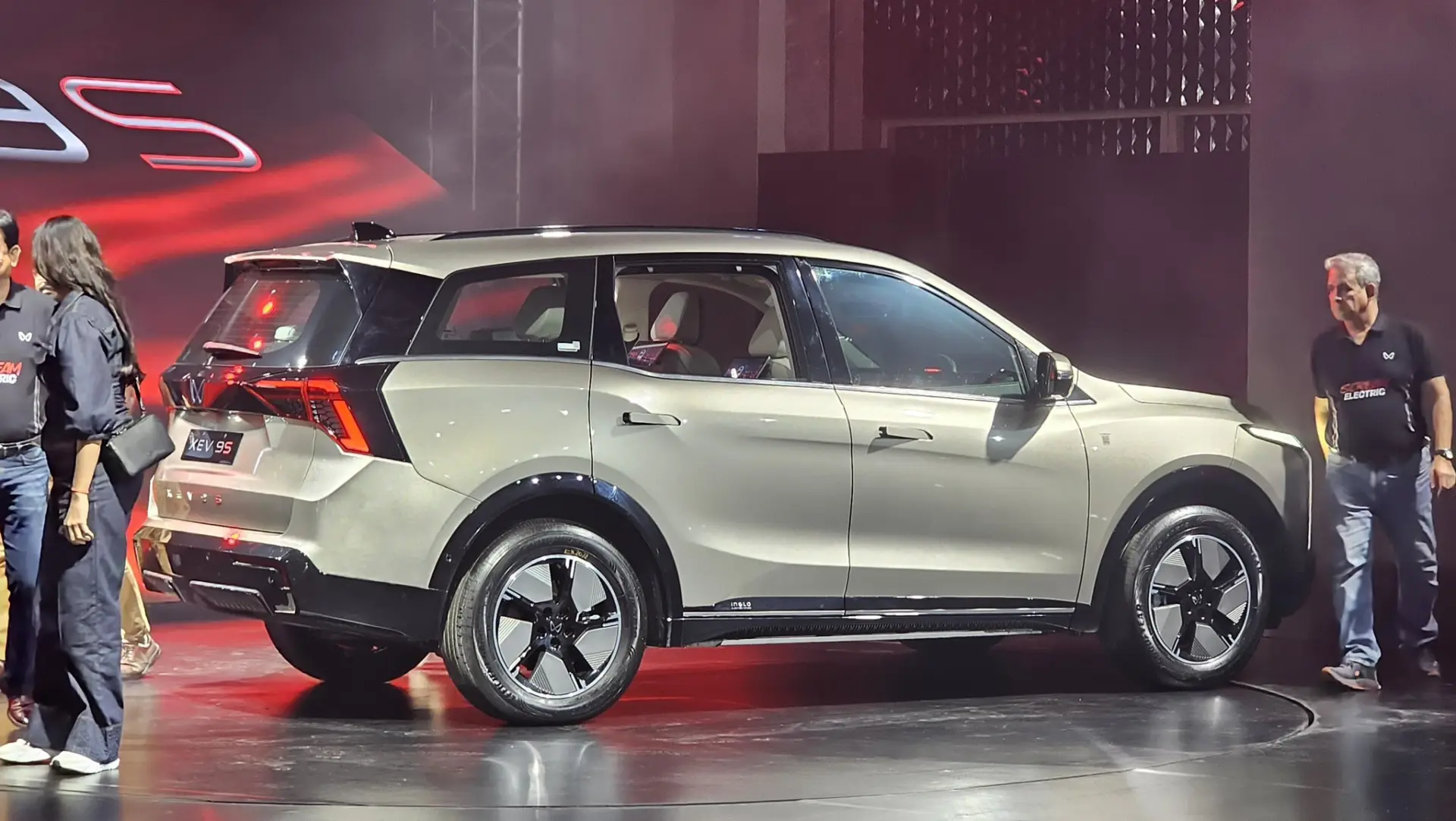
Mahindra’s XEV 9S arrived with sharper pricing than expected, despite more features than the 9e. It’s the most balanced product in Mahindra’s new EV lineup, making it a practical upgrade for current ICE buyers. With strong performance and usable range, the 9S positions Mahindra as a serious EV player rather than a niche innovator.
Tata Harrier EV: India’s First Mainstream Dual-Motor Electric SUV
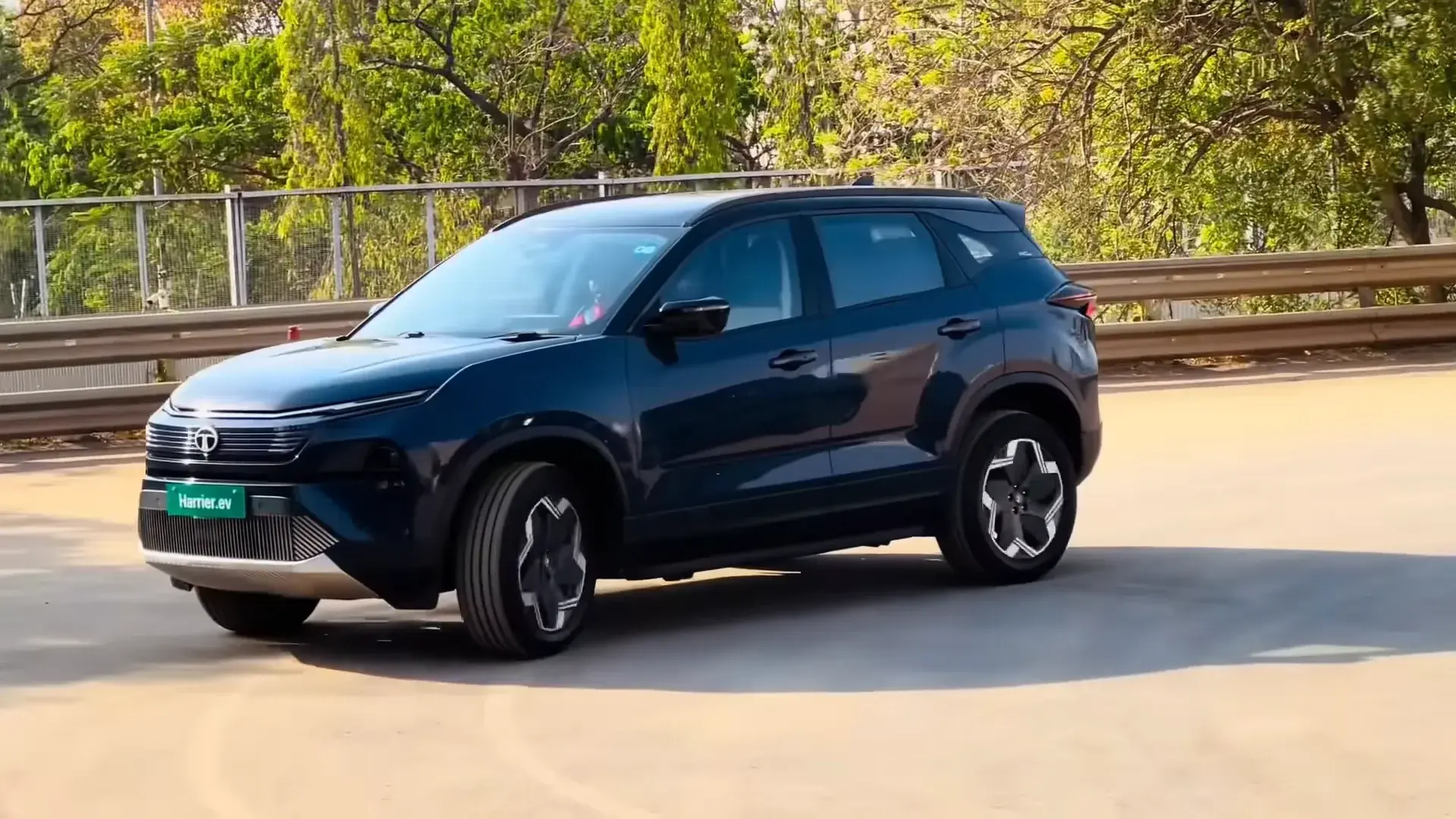
Harrier EV stands out because it does what no mainstream EV in India has attempted. A standard RWD layout makes it efficient and engaging, while the optional AWD setup adds real capability and up to 500 Nm torque. This SUV shows how electrification can unlock off-road performance without sacrifices.
Hyundai Venue & Venue N Line: Sub-4m Segment Reborn

Hyundai didn’t just update the Venue. It changed how buyers perceive compact SUVs. Dual 12.3-inch displays, improved interiors and Level-2 ADAS set a new benchmark. The N Line variant adds youthful appeal and driving involvement. The result is a sub-4m SUV that feels several segments higher.
Mahindra Thar 2025 Update
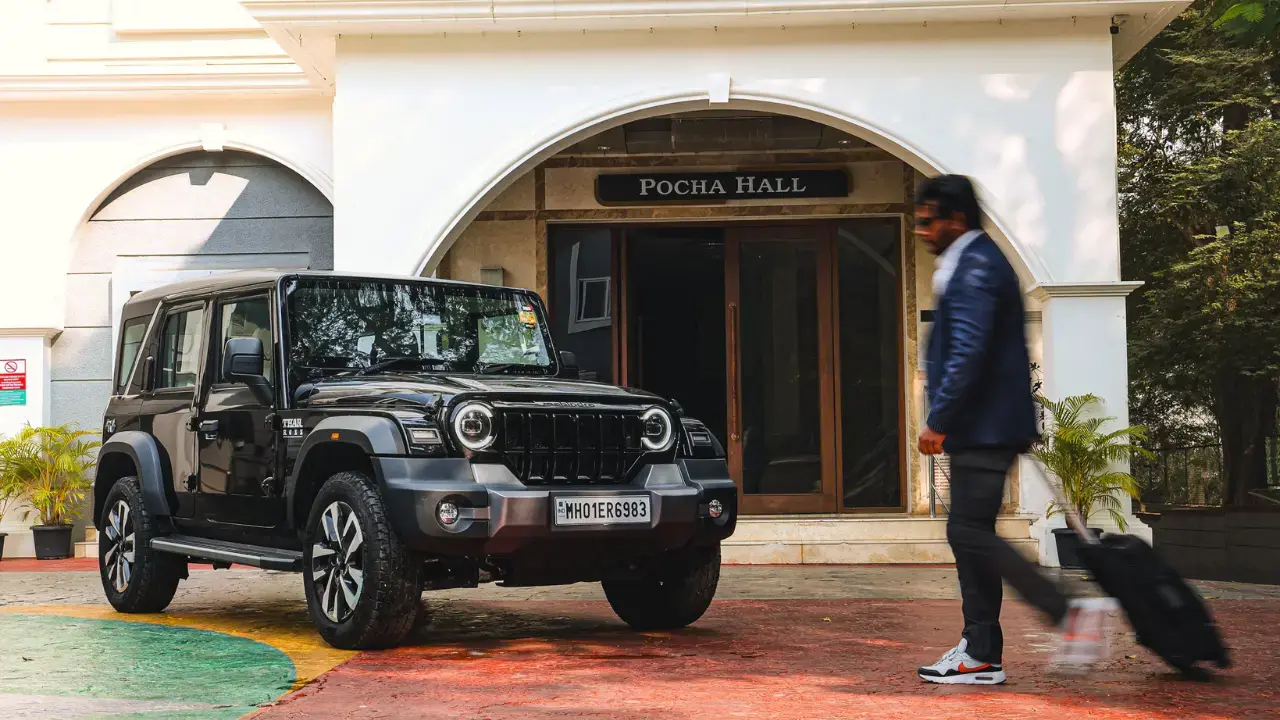
Thar didn’t get a facelift, but the update landed with features owners have been asking for since day one. A larger touchscreen, rear AC vents, proper armrests and relocated window controls make it far easier to live with. These upgrades improve the daily usability of a lifestyle SUV that once appealed mainly to enthusiasts.
Maruti Suzuki Victoris: Arena’s First True Flagship
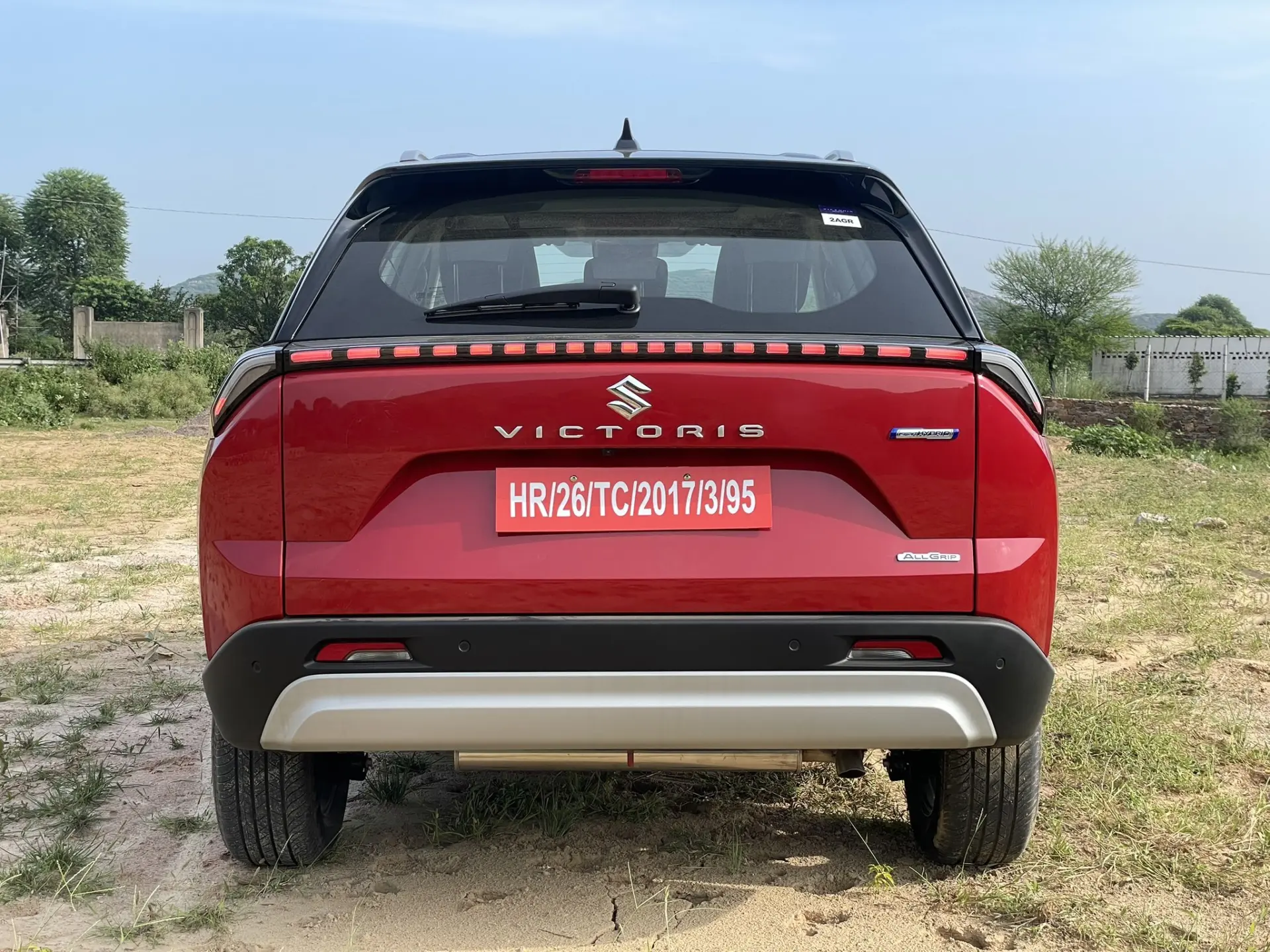
Victoris marks a turning point for Maruti’s mass-market image. With ADAS, a powered tailgate, new digital cluster and a bigger touchscreen, it feels more premium than many Nexa models. It finally gives Arena customers a proper flagship without stretching to the XL6 or Grand Vitara.
Kia Carens Clavis & Clavis EV: A Premium MPV Reimagined
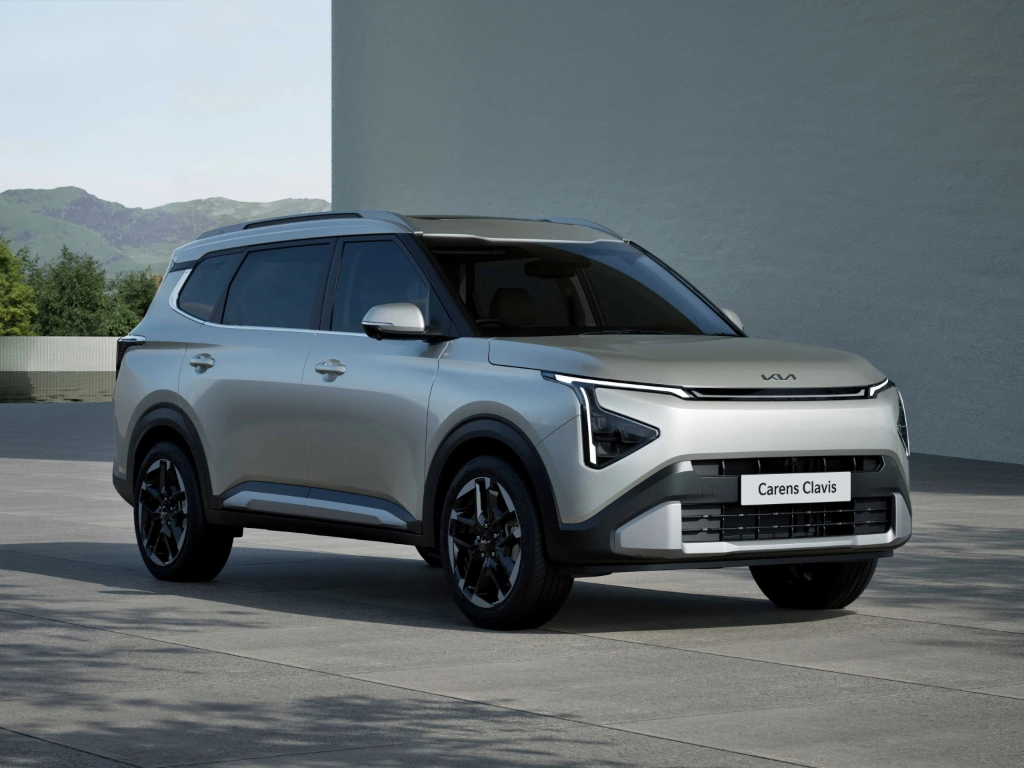
Kia stretched the Carens lineup into new territory with the Clavis and its EV version. This redesign improves practicality, interior ambience and tech significantly. Kia has managed to make MPVs aspirational again, targeting families who want comfort without compromising modern design.
Skoda Kylaq: The New Backbone of Skoda India
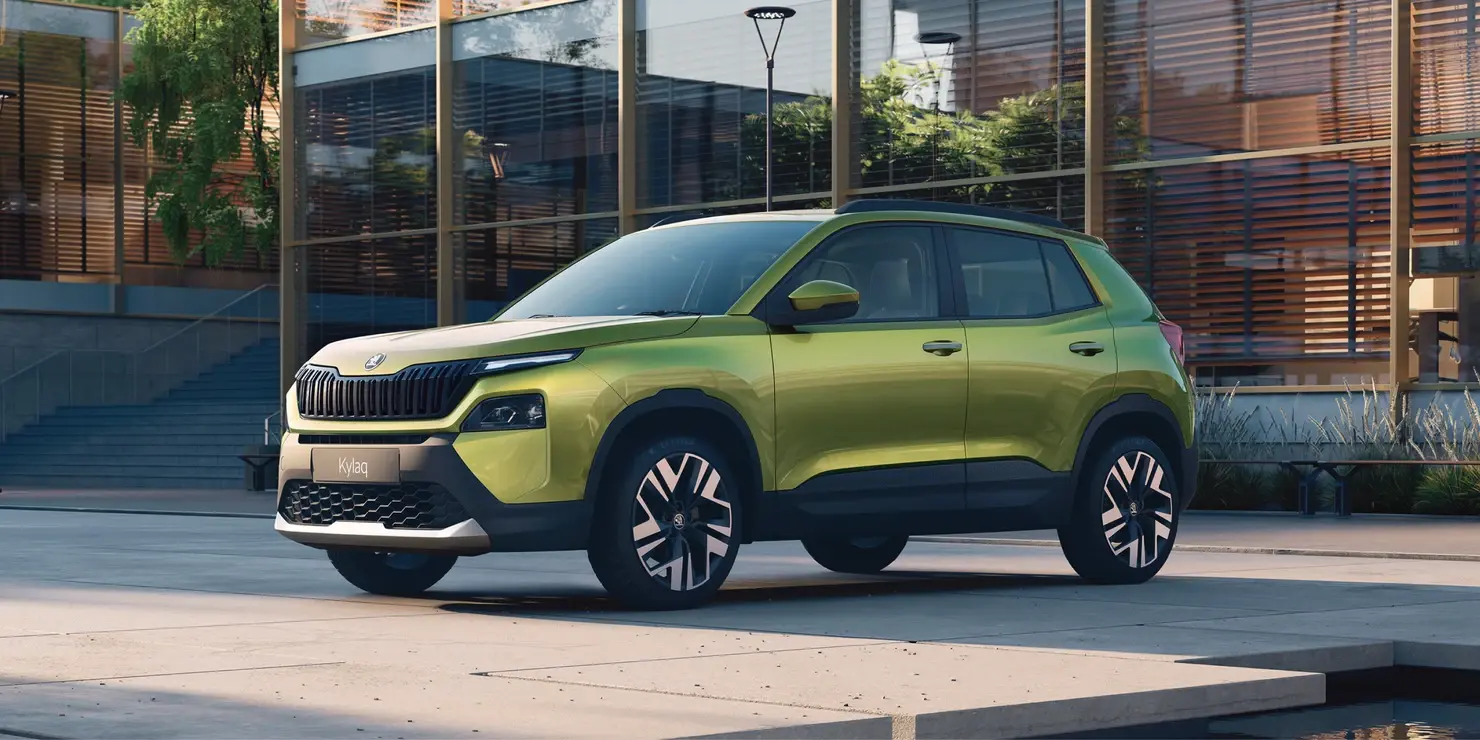
Kylaq is the surprise success story of 2025. With the INDIA 2.5 strategy, Skoda finally cracked the sub-4m formula. Its European driving dynamics, solid build and mature design immediately made it the brand’s volume driver. For many Indian buyers, Kylaq became a credible alternative to mainstream options.
Kia Syros: Segment-Bending Features, Polarising Design
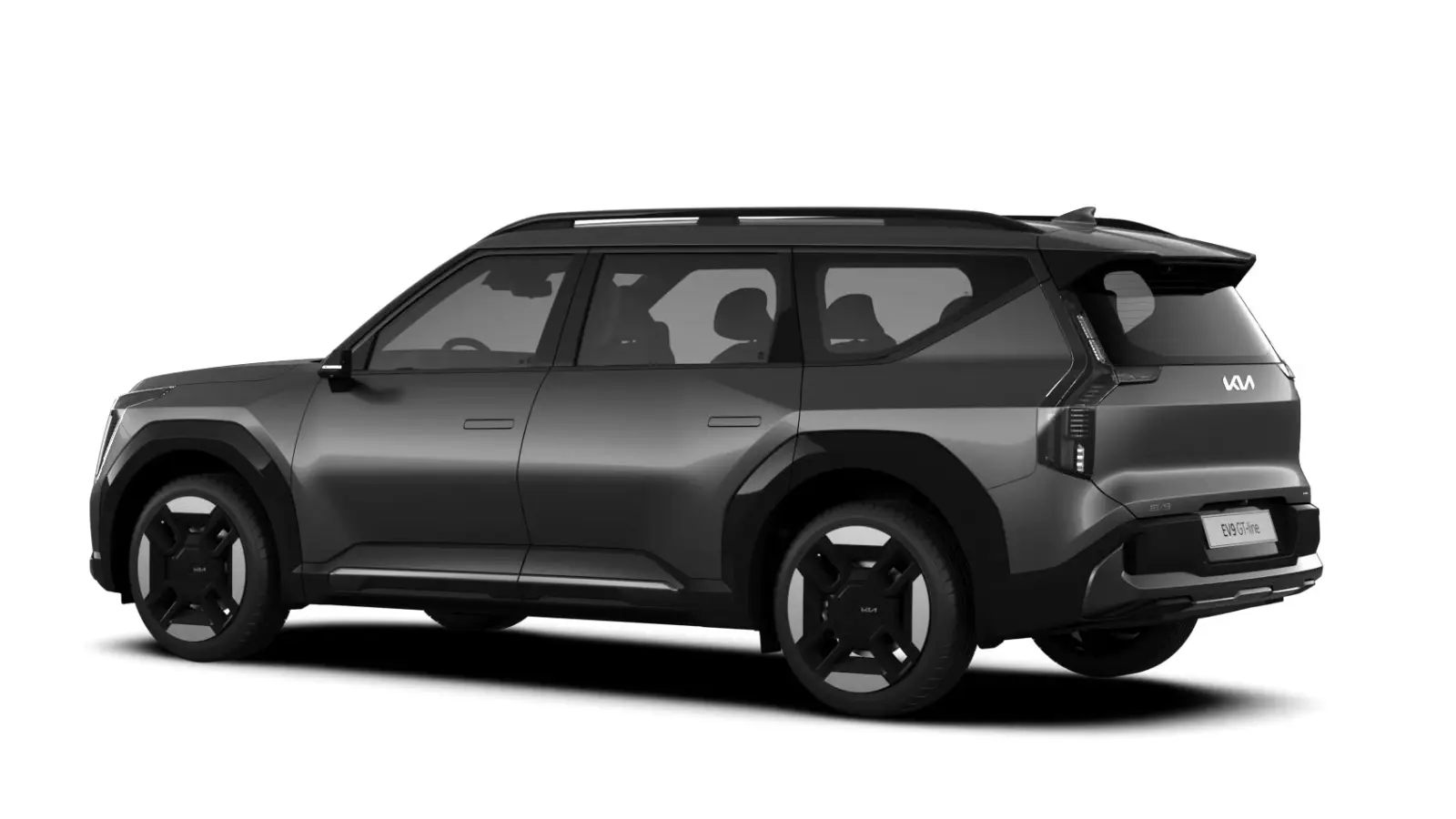
Syros introduced technology normally reserved for bigger SUVs. It ended 2025 as India’s most feature-loaded sub-4m SUV. However, its controversial styling limited its reach. For buyers who prioritise features and tech above everything else, Syros is a standout choice.
Hyundai Creta Electric: The Mainstream EV Breakthrough
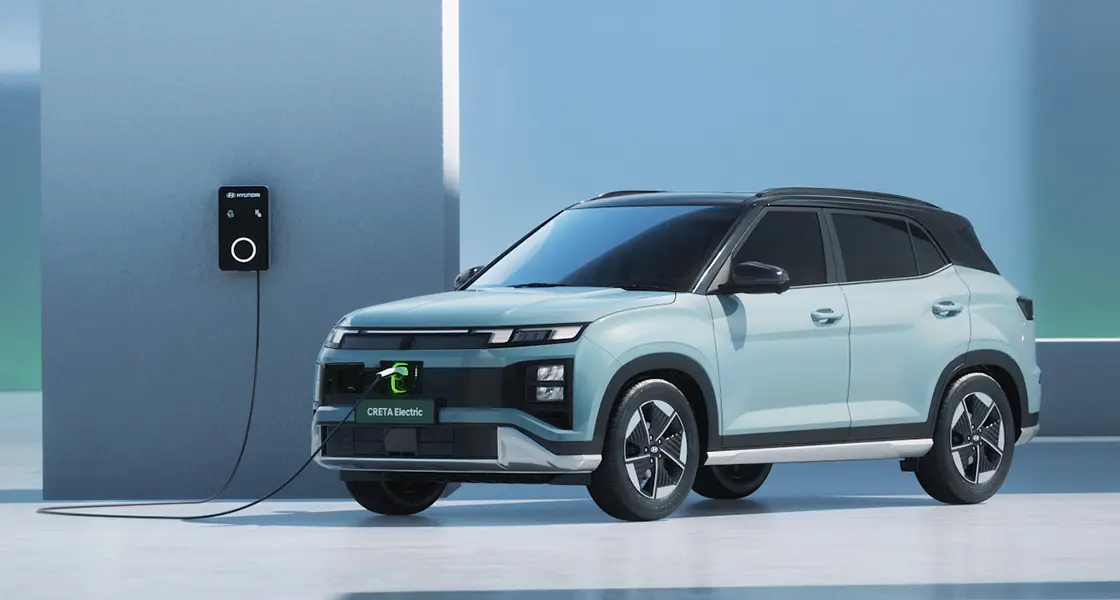
Creta Electric wasn’t just another launch. It marked the moment India got a truly practical, widely acceptable EV from a mass brand. With a claimed 473 km range and strong performance, it removes many of the usual EV compromises. Creta’s brand equity ensures this EV will accelerate mainstream adoption.
Why These Launches Matter for India
2025 proved that Indian buyers now expect more tech, more safety and more choice. Carmakers responded by pushing boundaries, whether through design, electrification or features. Homegrown players like Tata and Mahindra showed they can innovate as aggressively as global brands.
What This Means for 2026 and Beyond
The direction is clear. EVs will no longer be limited to premium buyers. Compact SUVs will continue to evolve into tech-rich, premium-feeling products. And Indian manufacturers are entering a phase of rapid global-level maturity. The competition in 2026 will be tougher than ever, and buyers will be the biggest beneficiaries.
