Car Sales December 2025: Maruti, Mahindra, Tata, Kia and Others

December is usually a tricky month for carmakers. Buyers delay purchases, inventories are adjusted for the new year, and exports often slow down. Yet December 2025 turned out to be a clear exception. Most major manufacturers closed the year with strong growth, underlining a deeper shift in India’s passenger vehicle market.
This was not just about discounts or year-end schemes. The sales data points towards changing consumer confidence, evolving product preferences, and a market that is becoming far more resilient than it was a few years ago.
| Manufacturer | December 2025 Sales | YoY Growth | Key Highlights |
|---|---|---|---|
| Maruti Suzuki | 217,854 units (total) | +22.3% | Strong domestic demand, record CY2025 sales; exports declined |
| Mahindra & Mahindra | 50,946 units (UVs) | +23% | SUVs continue to drive growth; consistent momentum |
| Tata Motors | 50,519 units | +14.1% | EV sales up 24.2%; fifth straight record year |
| Toyota Kirloskar Motor | 39,333 units | +33% | Strong domestic sales and export growth |
| Kia India | 18,659 units | +105% | Best-ever December; Sonet and Seltos lead |
| JSW MG Motor India | 6,500 units | Positive | Steady growth across ICE and EVs |
Why December 2025 Car Sales Matter
The importance of December 2025 goes beyond monthly numbers. Globally, economic uncertainty, geopolitical tensions, and fluctuating fuel prices continued to impact markets. Despite this, Indian car buyers showed confidence, especially in SUVs and newer powertrains.
For manufacturers, this month validated long-term bets on utility vehicles, feature-rich offerings, and electrification. For consumers, it signalled better availability, faster deliveries, and a wider choice across segments.
Maruti Suzuki: Domestic Strength, Export Pressure
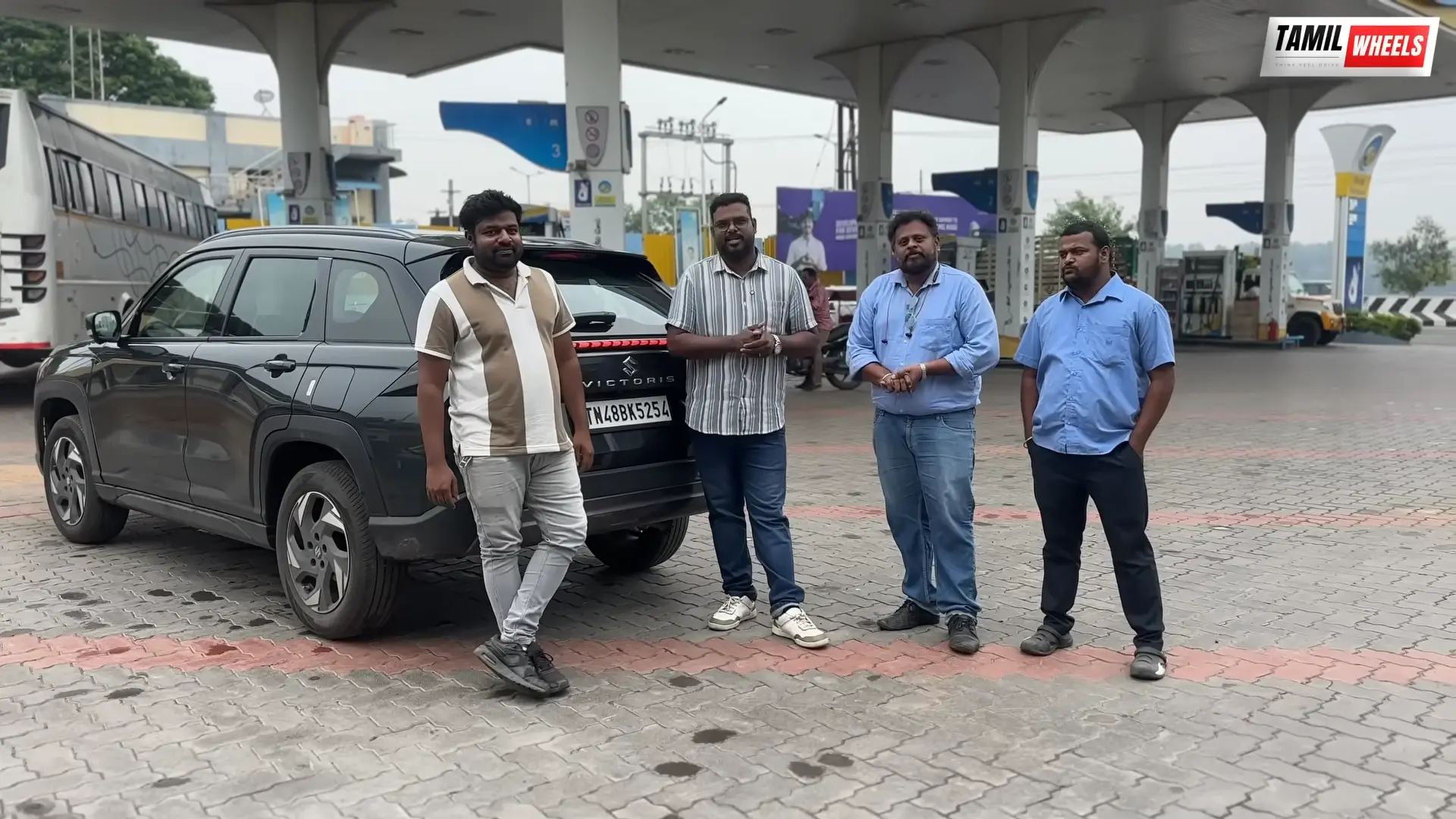
Maruti Suzuki ended December 2025 with a strong domestic performance, posting over 36 percent year-on-year growth in India. This growth was driven largely by steady demand in the mini and compact car segments, along with continued traction for its utility vehicle lineup.
However, exports told a different story. A sharp decline in overseas shipments highlighted how global demand remains uneven. While Maruti’s domestic dominance remains unchallenged, the export slowdown will likely push the company to recalibrate its international strategy in 2026.
What stood out was Maruti’s full-year performance. Closing CY2025 with its highest-ever total sales shows that affordable, reliable cars still form the backbone of India’s mobility story, even as SUVs gain popularity.
Mahindra: SUVs Continue to Do the Heavy Lifting
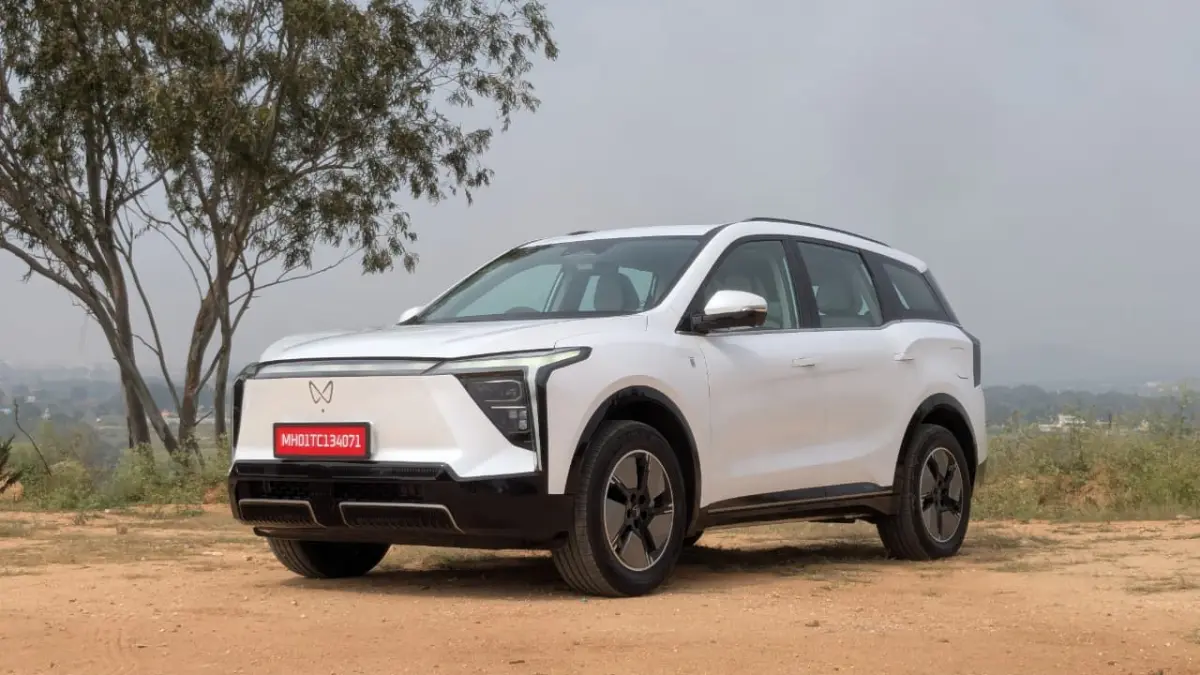
Mahindra’s December numbers once again reinforced its position as a strong SUV-focused brand. A healthy year-on-year growth in utility vehicle sales reflects sustained demand for models that offer road presence, strong engines, and perceived durability.
The key takeaway from Mahindra’s performance is consistency. Even without chasing mass-market hatchback volumes, the company has managed to grow steadily by focusing on segments where customer willingness to pay is higher.
Looking ahead, Mahindra’s challenge will be scaling production and maintaining delivery timelines, especially as competition in the SUV space intensifies.
Tata Motors: EV Momentum Builds Quietly

Tata Motors closed December 2025 with double-digit growth, but the more important story lay within its electric vehicle portfolio. EV sales grew faster than the overall market, reinforcing Tata’s early-mover advantage.
This growth did not come from fleet-heavy volumes alone. Private buyers increasingly see EVs as viable second or even primary cars, especially in urban markets. Improved charging infrastructure and rising fuel costs are clearly influencing this shift.
Tata’s record annual sales for the fifth consecutive year suggest that the brand’s focus on safety, design refreshes, and electrification is paying off.
Kia: Best-Ever December Signals Brand Maturity
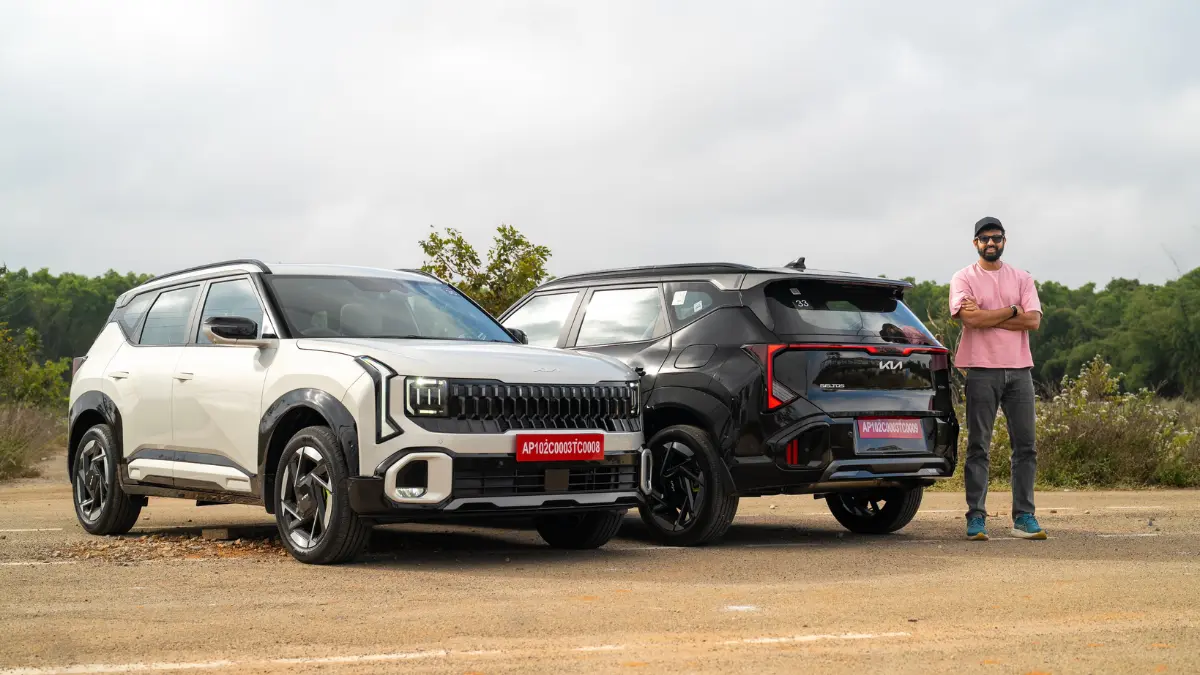
Kia’s December 2025 performance stood out, with the company recording its best-ever December since entering India. More than doubling its year-on-year sales for the month indicates strong acceptance of its refreshed portfolio.
Models like the Sonet and Seltos continued to anchor volumes, proving that well-equipped compact and mid-size SUVs remain highly attractive to Indian buyers. Kia’s challenge going forward will be maintaining momentum as newer rivals enter the same segments with aggressive pricing.
Toyota: Consistency and Export Growth

Toyota quietly delivered one of its strongest years in India, with notable growth in exports as well. The brand’s December performance reflected stable domestic demand and a growing role for India as an export hub.
Toyota’s strategy of focusing on reliability, hybrids, and shared platforms appears to be delivering predictable, sustainable growth rather than dramatic spikes.
MG Motor: Niche but Growing
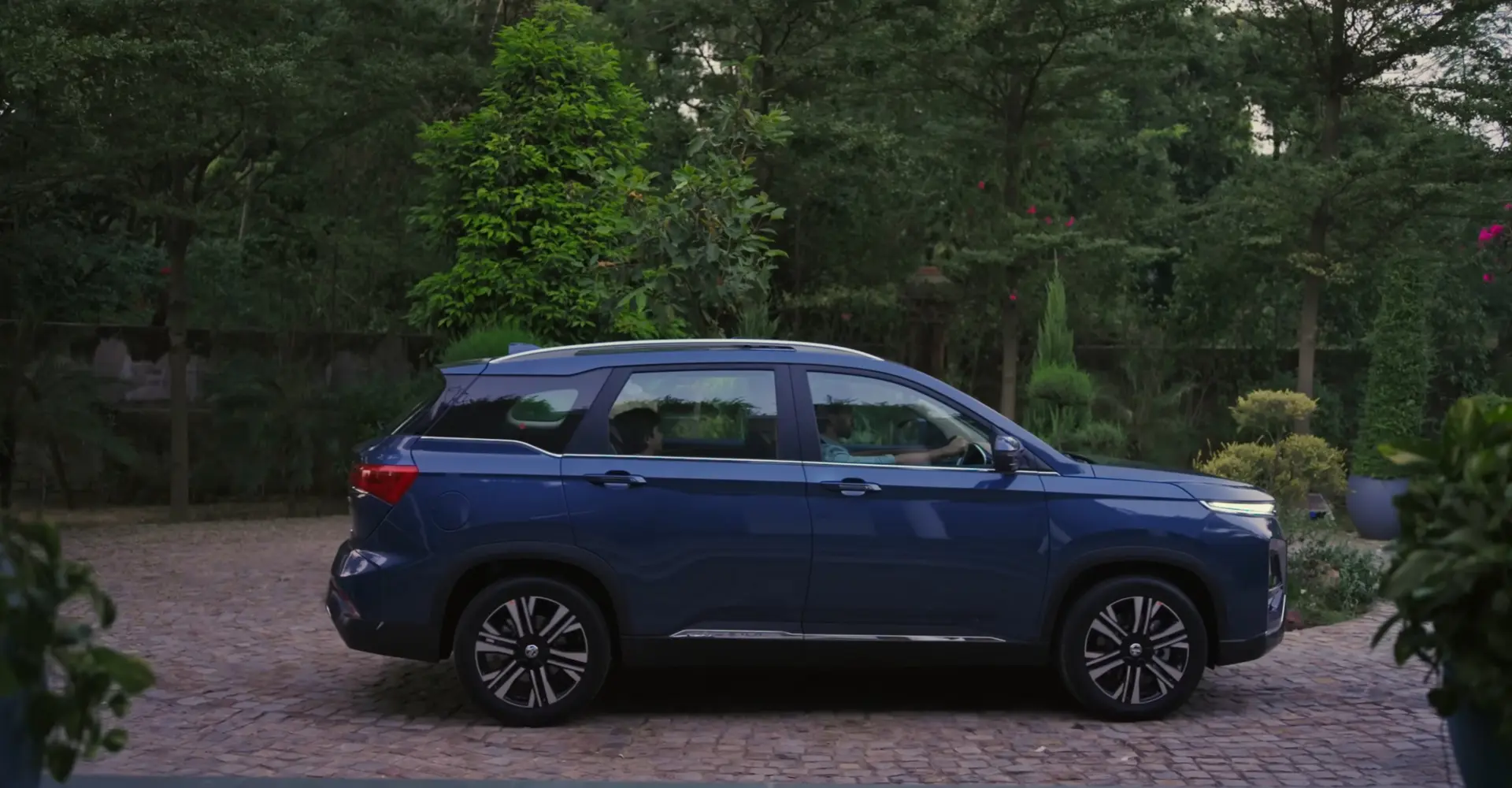
MG Motor India continued its steady upward trajectory in 2025, supported by demand across both ICE and EV models. While overall volumes remain lower than mass-market players, MG’s growth reflects increasing acceptance among urban buyers looking for feature-rich alternatives.
The expansion of its premium retail channel also hints at a more segmented approach in the coming years.
What This Means for Indian Car Buyers
December 2025 sales numbers confirm three clear trends. SUVs are now the default choice across price points. EV adoption is no longer experimental but gradual and sustained. And buyers are increasingly prioritising safety, features, and brand trust.
For consumers, this means more competition, better-equipped cars, and faster product updates. For manufacturers, it raises the bar on quality, service, and innovation.
Looking Ahead to 2026
As the industry moves into 2026, the pressure will be on managing costs, meeting stricter emission norms, and scaling EV infrastructure. December 2025 has shown that demand exists. The real test will be how well brands adapt to a more informed and demanding Indian customer.
The numbers may look strong today, but the next phase of growth will depend less on volume and more on value.
