One Small SUV Did What Skoda Couldn’t Do in 25 Years

Skoda has spent 25 years trying to crack India’s mass-market segment. It chased premium buyers, positioned itself as a European underdog, and launched products that earned respect but never real volumes. Then came the Kylaq, a compact SUV designed for Indian roads, budgets, and expectations, and suddenly Skoda achieved what it had failed to do in a quarter century: scale.
Why the Kylaq Changed Everything
The Kylaq wasn’t just another launch. It was Skoda’s first true attempt at playing India’s biggest game: the compact SUV race. Unlike the brand’s earlier offerings, this one was heavily localised, aggressively priced, and engineered to meet Indian usage patterns. That combination unlocked the mainstream audience Skoda never fully reached.
Skoda closed 2025 with 72,665 units sold, more than doubling its year-on-year numbers. For a brand that averaged niche-premium volumes for years, this wasn’t growth. It was a reset.
The Sales Boost India Didn’t See Coming
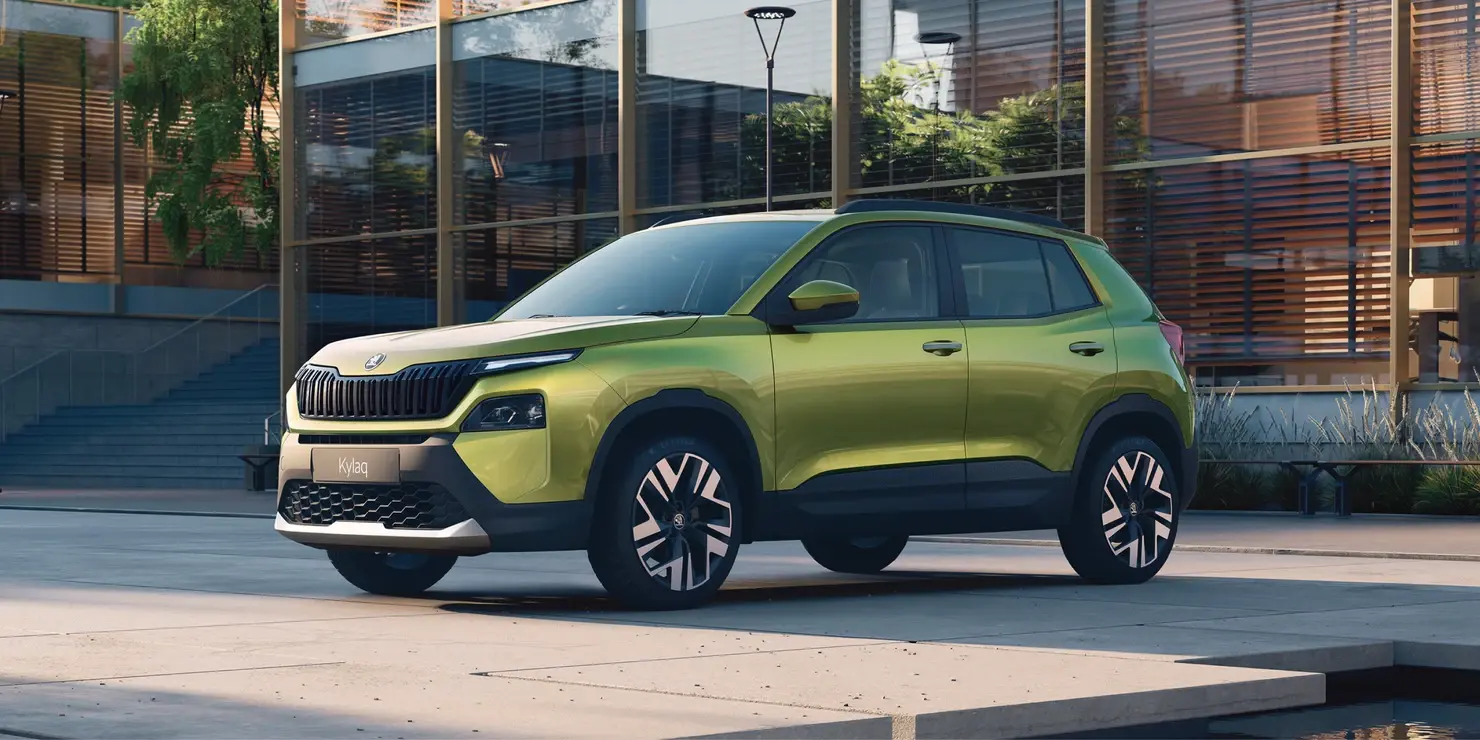
The Kylaq alone contributed an estimated 47,000 to 50,000 units in 2025. That’s unusual not just for Skoda but for any European brand operating in India. It positioned Skoda in the same conversation as long-standing mass players.
Beyond the product itself, Skoda expanded into 183 cities and built 325 customer touchpoints. This matters because success in India often depends on access as much as product strength. The brand finally showed intent to operate at scale, not just sell premium cars.
What This Means for Indian Buyers
For years, Skoda’s appeal was limited to enthusiasts and premium buyers. The Kylaq now pushes the brand into a wider market, giving Indian customers another strong option in the compact SUV space. More competition here means better features, better pricing, and better safety benchmarks for everyone.
Skoda’s renewed focus on India also brings halo products like the Kodiaq and Octavia RS. While these aren’t volume-sellers, they help strengthen brand desirability. The RS100-unit batch selling out instantly shows that Skoda’s aspirational pull still works.
The Weak Links Skoda Must Fix
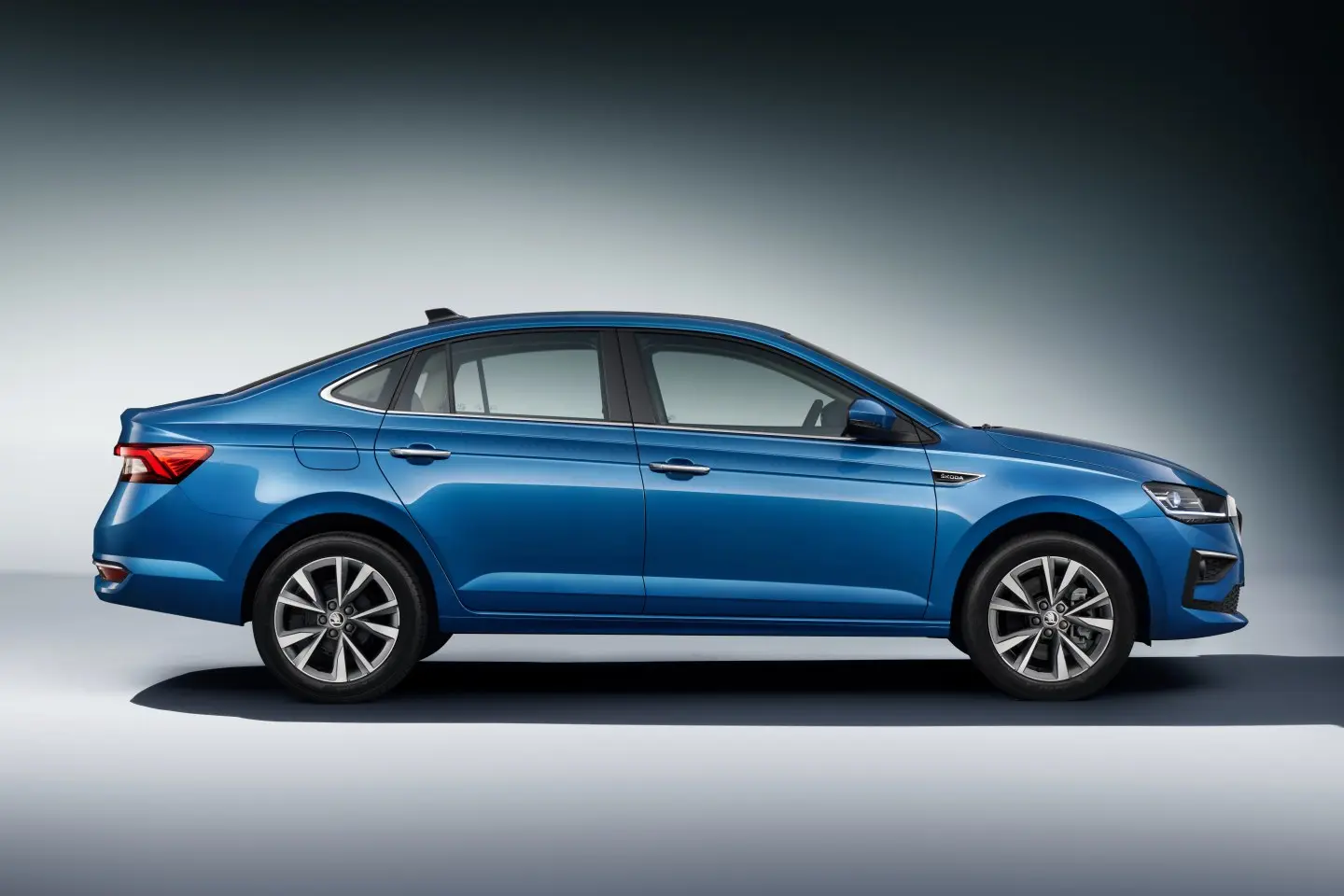
Interestingly, the Kylaq’s success also exposes the weakness of existing models. The Slavia and Kushaq have not performed at expected levels, with sales struggling to match rivals. Facelifts are coming this year, and Skoda needs them to be more than cosmetic. India’s mid-size segment is too competitive for half-measures.
If Skoda doesn’t strengthen its core sedan and SUV lineup, the Kylaq alone cannot carry long-term growth.
What Comes Next for Skoda in India
Skoda now has momentum, something it lacked for years. But the real test begins now.
The brand needs:
- reliably priced, localised models
- continued expansion of showrooms and service
- strong mid-cycle updates for Slavia and Kushaq
- a clear strategy for EVs in India
The Kylaq is proof that Skoda can win big here. The question is whether it can repeat that success.
India doesn’t reward one-hit wonders. It rewards consistency.
Skoda finally has the engine. Now it needs to keep the wheels turning.
