Top 10 Upcoming SUVs Expected To Launch In India In 2026
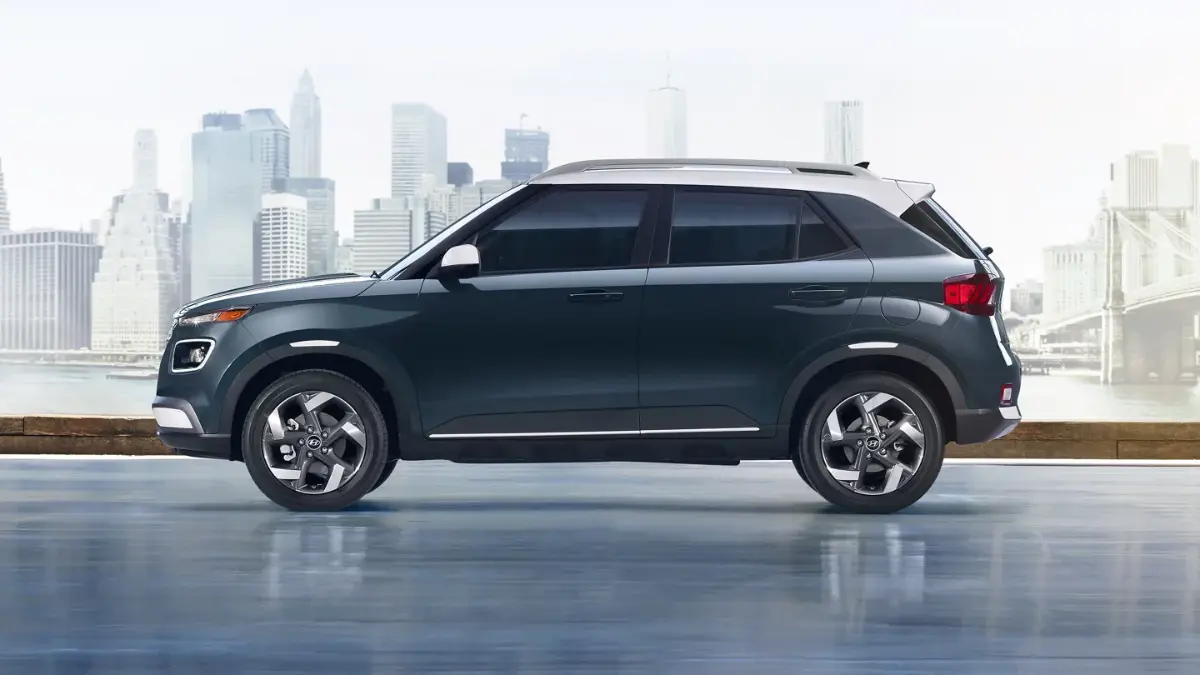
India’s SUV space is heading into one of its most important years yet. Carmakers are preparing a wave of new EVs, updated petrol SUVs and fresh nameplates that will redefine segments. These aren’t just product launches; they signal where India’s mass-market and premium SUV strategy is heading next. Below is a clear, insight-driven look at the ten most significant SUVs arriving in 2026 and what they could mean for Indian buyers.
1. Tata Sierra EV
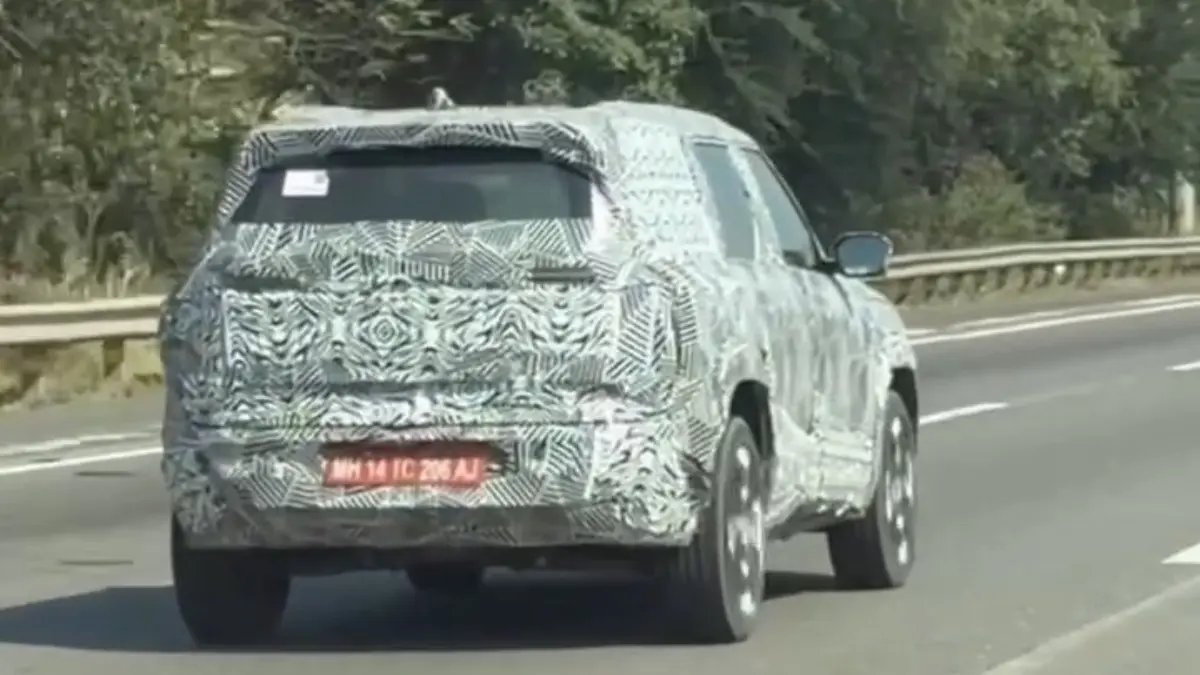
Tata’s comeback of the Sierra is easily one of the most anticipated launches of 2026. Unlike its earlier concept versions, the production Sierra EV is expected to focus on long-distance usability with two battery pack options and a claimed driving range of more than 500 km. Tata’s strategy positions the Sierra as a modern lifestyle EV, appealing to buyers who want practicality without compromising future-readiness.
2. New Tata Punch EV

The Punch EV is set for a major update next year. The changes won’t just be cosmetic; Tata is expected to improve its efficiency and driving range while refreshing the cabin with better materials and features. With the current Punch already a best-seller, this upgrade could help Tata maintain its lead in the compact EV space.
3. Tata Avinya
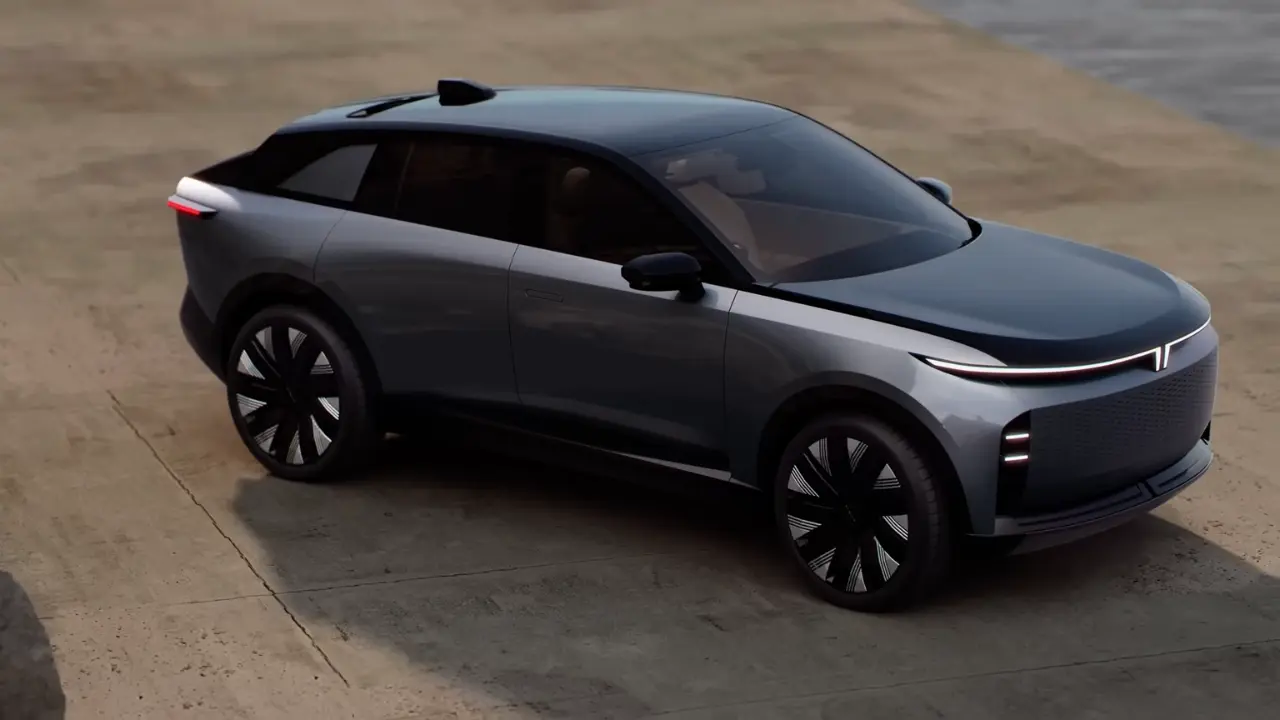
Sitting at the top of Tata’s future EV lineup, the Avinya range aims to deliver a more premium and luxury-focused experience. Built on JLR’s EMA platform, it’s expected to introduce a new design direction for Tata. The Avinya isn’t about immediate mass appeal; it’s Tata’s attempt to elevate itself into the global EV conversation through design and long-range capability.
4. New Renault Duster

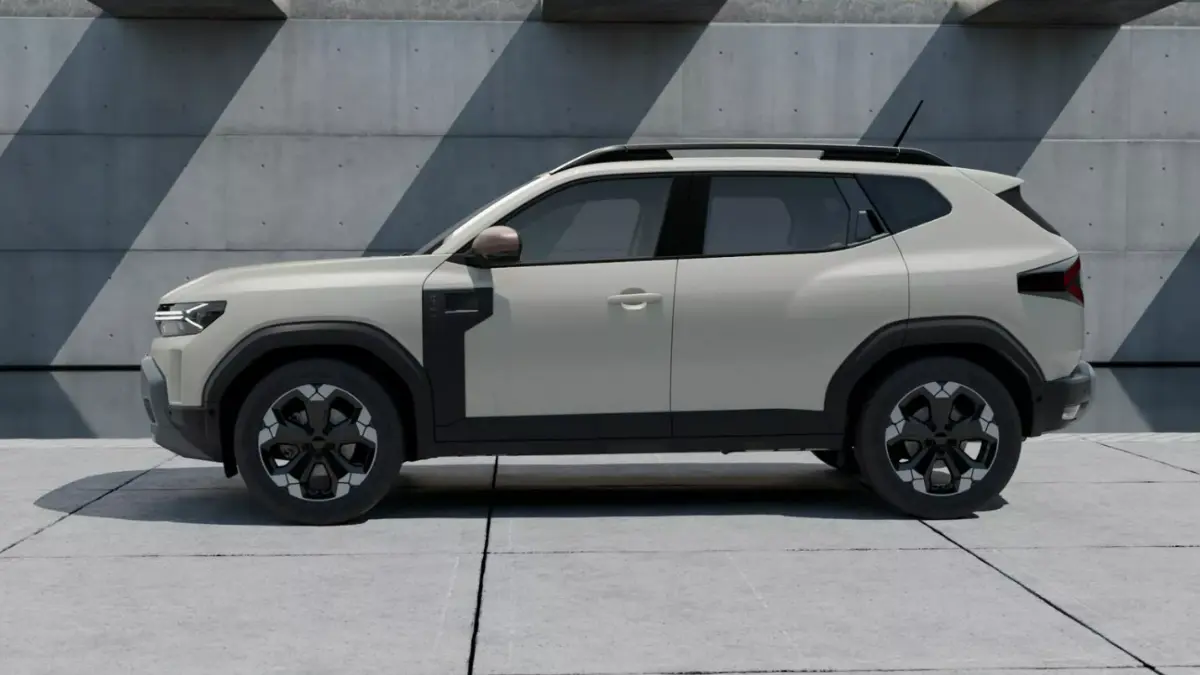
The Duster’s return is a big moment for Renault. Set for its India debut on January 26, 2026, the new-gen model will be based on a highly localised CMF-B platform. Renault is expected to offer petrol engine options at launch. The brand’s challenge will be to reclaim the strong following the first-gen Duster enjoyed. Early impressions suggest the India-spec version will closely follow its global design.
5. Nissan Tekton
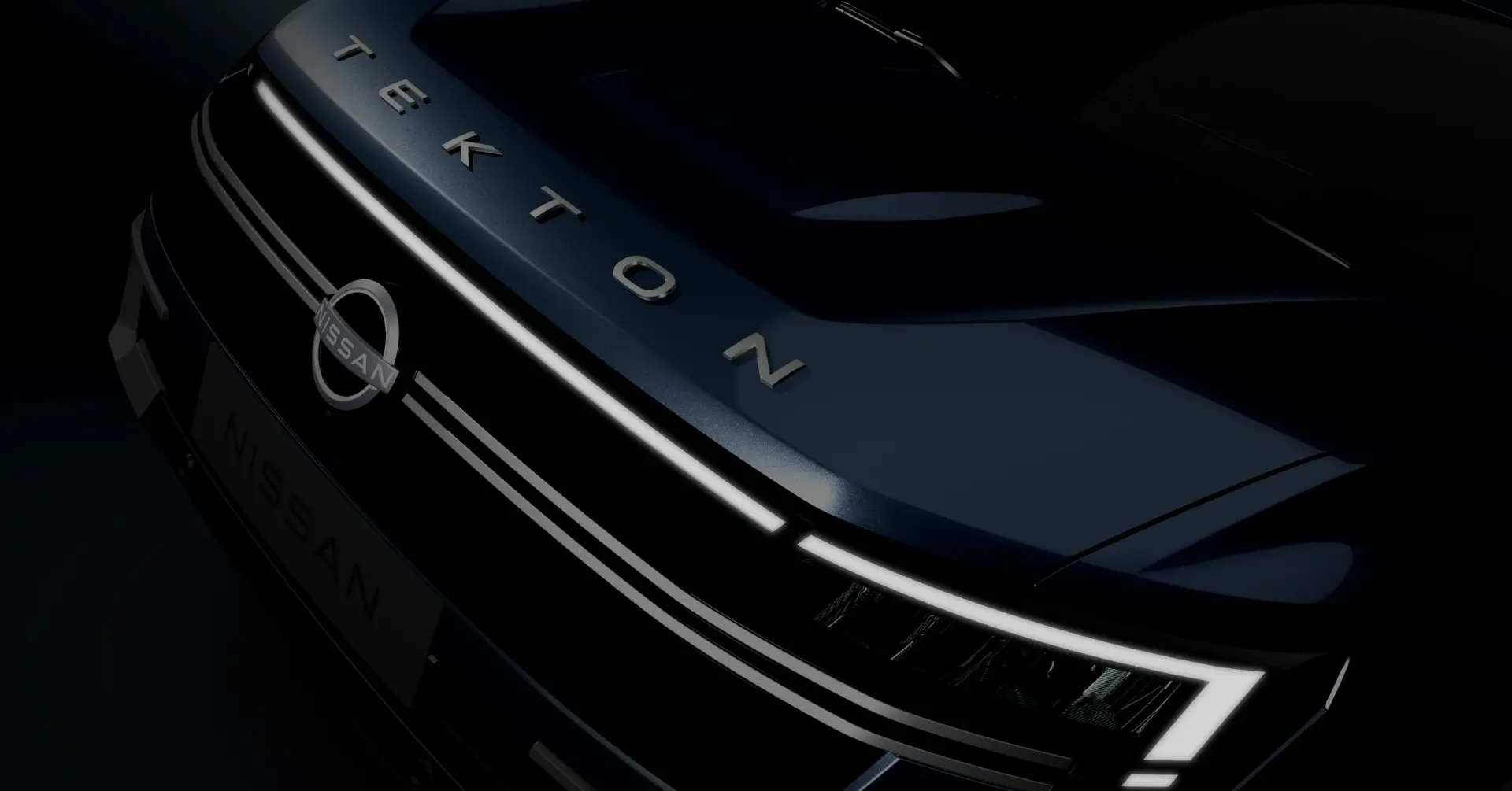
The Tekton is Nissan’s version of the new Duster, sharing the same platform and much of the engineering. Expected in February, the Tekton gives Nissan a much-needed fresh SUV after years of limited launches. If Nissan gets pricing and positioning right, it could use the Tekton to rebuild brand visibility in India.
6. Maruti Suzuki e Vitara
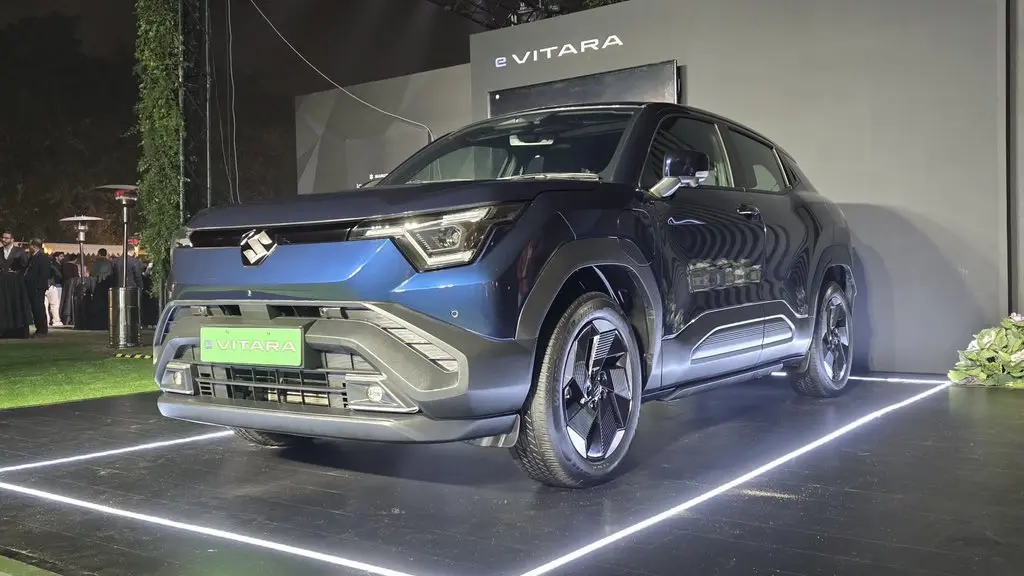
The e Vitara marks Maruti’s official entry into the electric SUV segment. With two battery options, including a 61 kWh pack that delivers up to 543 km of range, it’s a direct response to the growing demand for mainstream electric SUVs. Maruti’s strong dealership network and expected competitive pricing could make the e Vitara one of the most important EVs for mass adoption.
7. Mahindra XUV 7XO
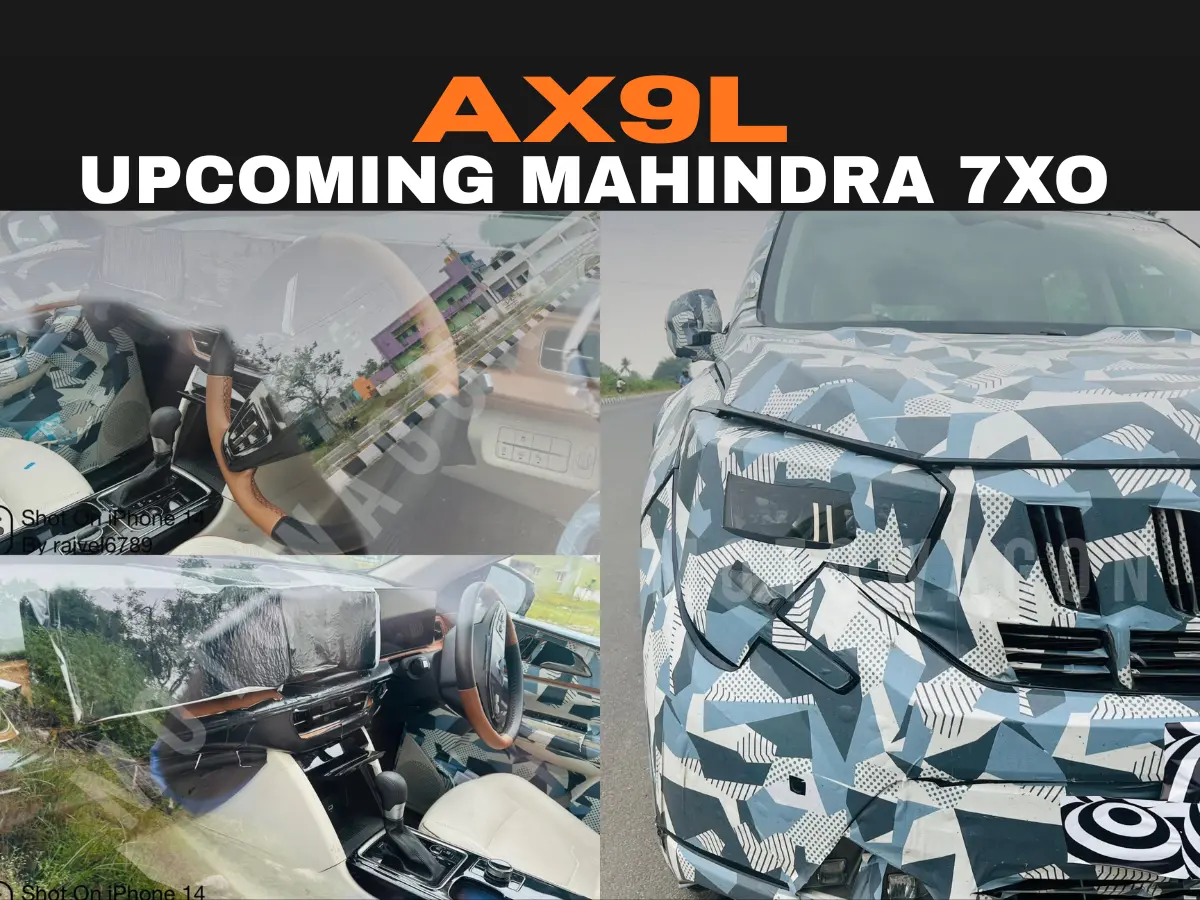
Mahindra will reintroduce the XUV700 with notable updates under the new 7XO nameplate. The SUV will carry modern styling tweaks and a triple-screen cabin layout inspired by the newer XEV 9S. Mahindra’s goal is to keep the XUV relevant in a fiercely competitive space by improving in-cabin tech and overall sophistication.
8. Mahindra Vision S (Production Model)
The production-ready Vision S is expected towards the end of 2026. This SUV could serve as a compact alternative to the Scorpio N while offering a more urban-friendly approach. It reflects Mahindra’s strategy to expand its portfolio beyond traditional ladder-frame SUVs and reach a wider audience.
9. Hyundai Compact EV
Hyundai’s first heavily localised compact electric SUV for India is expected to be based on the Inster. With localisation playing a major role, Hyundai could price it aggressively. Given Hyundai’s track record with the Venue and Creta, the compact EV could quickly become a mainstream choice.
10. New Kia Seltos
Kia will introduce the new-gen Seltos with prices announced on January 2, 2026. This update plays a crucial role since the Seltos is among Kia’s strongest performers. Alongside it, Kia will also bring the Sorento Hybrid next year, signalling a broader move toward electrified powertrains.
Conclusion
The SUV launches planned for 2026 show a clear shift in the Indian market. EVs are no longer experimental; they’re central to product planning. Popular nameplates like the Duster, Seltos and XUV are evolving with tech-rich upgrades. For buyers, 2026 will be a year of choice, competition and better value across price segments. Whether someone wants a premium EV, a rugged commuter or a future-ready compact SUV, next year’s lineup promises something substantial for everyone.
