Latest Duster Spy Shots Show Sharp Design and Premium Features Ahead of 2026 Launch

The return of the Renault Duster is more than just another SUV re-entry. It represents a major reset for Renault in India at a time when the midsize SUV segment has become fiercely competitive. The new spy shots offer the clearest look yet at the 2026 model, confirming that Renault is preparing a substantially more sophisticated SUV than before. What matters now is how these upgrades translate into real value for Indian buyers.
A Familiar Name With a Completely New Strategy
The first Duster built Renault’s brand in India, carving a space for rugged monocoque SUVs long before the current crowd arrived. But the 2026 version takes an entirely new approach. Built on the localised CMF-B platform, it signals deeper localisation and a long-term strategy for competitive pricing. This also ensures Renault isn’t relying on old architecture, which was one of the biggest limitations of the outgoing models.
The camouflaged test vehicle mirrors the Euro-spec version in stance and overall shape, suggesting that Renault is avoiding the ‘India-specific downgrade’ approach. Instead, it seems to be aiming for a product that competes head-on with established names without sacrificing quality.
Sharp, Modern and Ready for India

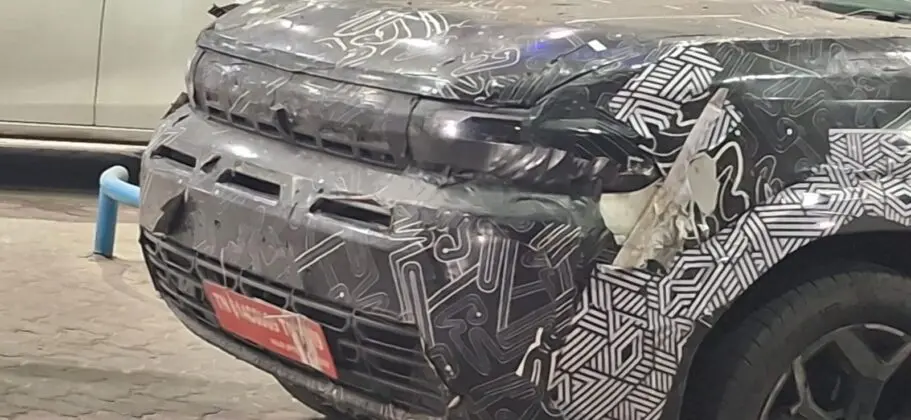
The spy shots show a front fascia that’s far more aggressive than the previous generation. Sleek LED daytime running lights, sharper LED headlamps and a cleaner bumper design signal a modern SUV identity. The 18-inch diamond-cut alloy wheels, squared-off arches and rugged cladding confirm that Renault wants to retain the Duster’s tough character while giving it a premium edge.
Even the rear, though camouflaged, displays the signature Y-shaped tail lamps that have become part of Renault’s global design language. The SUV looks larger, more planted and far more mature than the original model that debuted over a decade ago.
A More Premium and Tech-Forward Cabin
Where the old Duster lagged behind was its interior. The 2026 model aims to flip that perception entirely. The upcoming cabin is expected to feature a 10.1-inch touchscreen, a 7-inch digital cluster and a more sculpted dashboard layout. Renault’s focus appears to be on offering a modern, family-friendly SUV with wireless connectivity, multiple charging points and dual-zone climate control.
The Y-themed interior design elements—visible in the global version—are likely to make their way to India, giving the cabin a visual identity that stands out from the segment’s current offerings.
Powertrains Designed to Balance Efficiency and Costs
While Renault hasn’t revealed engine details yet, industry expectations point to two petrol engine options. A mix of manual and automatic transmissions is likely. By skipping diesel, Renault aligns with market trends while simplifying localisation and pricing strategies.
The CMF-B platform also opens the door to hybrid options later, something Renault may explore depending on demand and regulatory direction.
Why This Matters for India’s SUV Market
Renault needs a strong comeback, and the new Duster is positioned as that turning point. The brand has confirmed a January 26, 2026 India debut, signaling its confidence in the product and its renewed push in the market.
The Duster name still carries goodwill among Indian buyers who want a practical, durable and value-conscious SUV. With sharp styling, a global platform and more features than ever before, the 2026 model has the potential to shake up a segment dominated by Hyundai Creta, Kia Seltos, and the Honda Elevate.
Looking Ahead
Renault is already planning a three-row version of the Duster, which could expand the lineup into a growing category of family SUVs. If the pricing stays aggressive and localisation is executed well, Renault could re-establish itself as a serious contender in India.
For buyers, the new Duster promises to be a compelling mix of modern tech, rugged character and attainable pricing. The SUV’s return is shaping up to be one of the most important launches of 2026.
