Six Airbags Help Celerio Jump to 3 Stars, But Ciaz’s 1-Star Result Raises Big Safety Questions
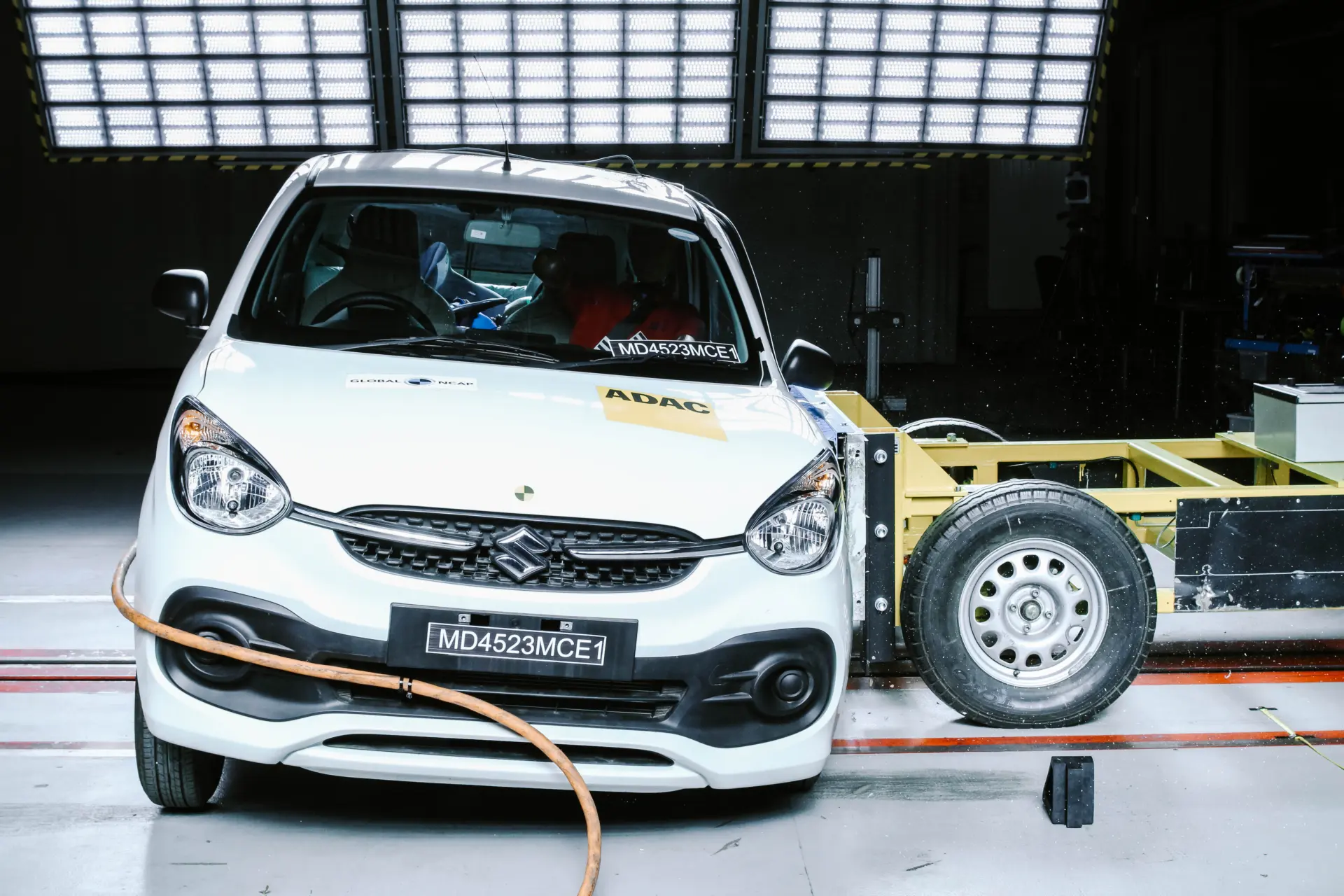
India’s car market has grown rapidly, but safety awareness is rising even faster. That’s why the latest Global NCAP results for the Maruti Suzuki Celerio and Ciaz matter far beyond star ratings. The Celerio’s jump to three stars shows clear progress after the introduction of six airbags. But the Ciaz’s repeated one-star performance raises uncomfortable questions about structural safety, child protection and Maruti’s broader strategy for one of its most affordable sedans.
Why the Celerio’s 3-Star Rating Matters for India
Maruti’s move to standardise six airbags in the Celerio has directly influenced its improved rating. The previous version scored only two stars for adult occupants and just one star for child safety, sparking criticism at a time when rivals were rapidly improving.
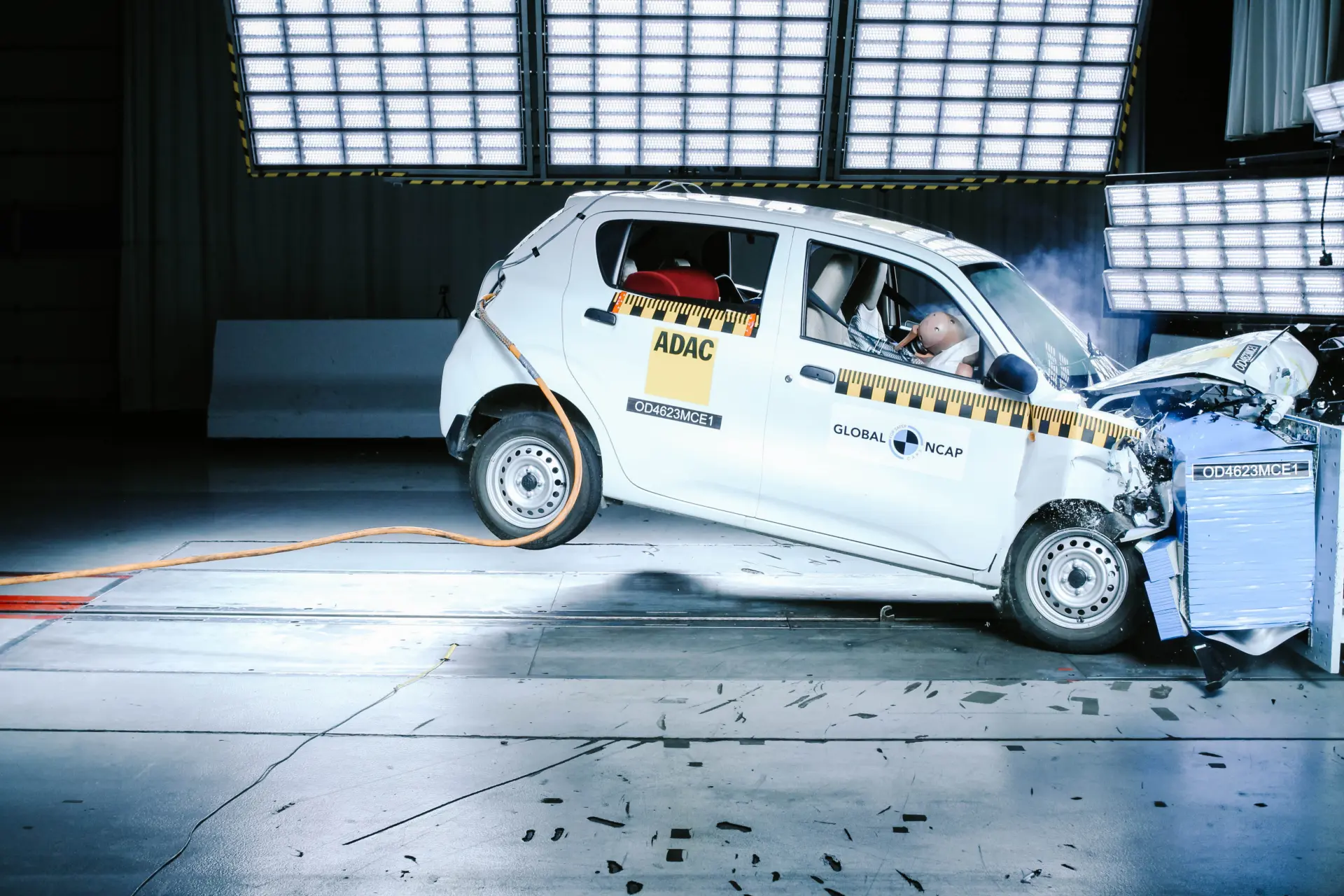
The new result shows meaningful progress, but not complete reassurance. The bodyshell was rated unstable, which means it cannot manage higher crash forces. For Indian families who frequently drive on highways, this matters more than the star badge itself. The test also recorded mixed chest protection and marginal knee protection, indicating that airbags alone cannot compensate for deeper structural weaknesses.
Still, the jump to three stars is a sign that regulatory pressure and consumer awareness are pushing manufacturers to upgrade safety equipment. It also positions the Celerio more competitively in a segment where safety often takes a back seat.
Why the Ciaz Still Struggles at 1 Star
The Ciaz’s performance is far more concerning. Despite being a popular sedan in Maruti’s portfolio, it failed to meet basic expectations in Global NCAP’s latest assessments.
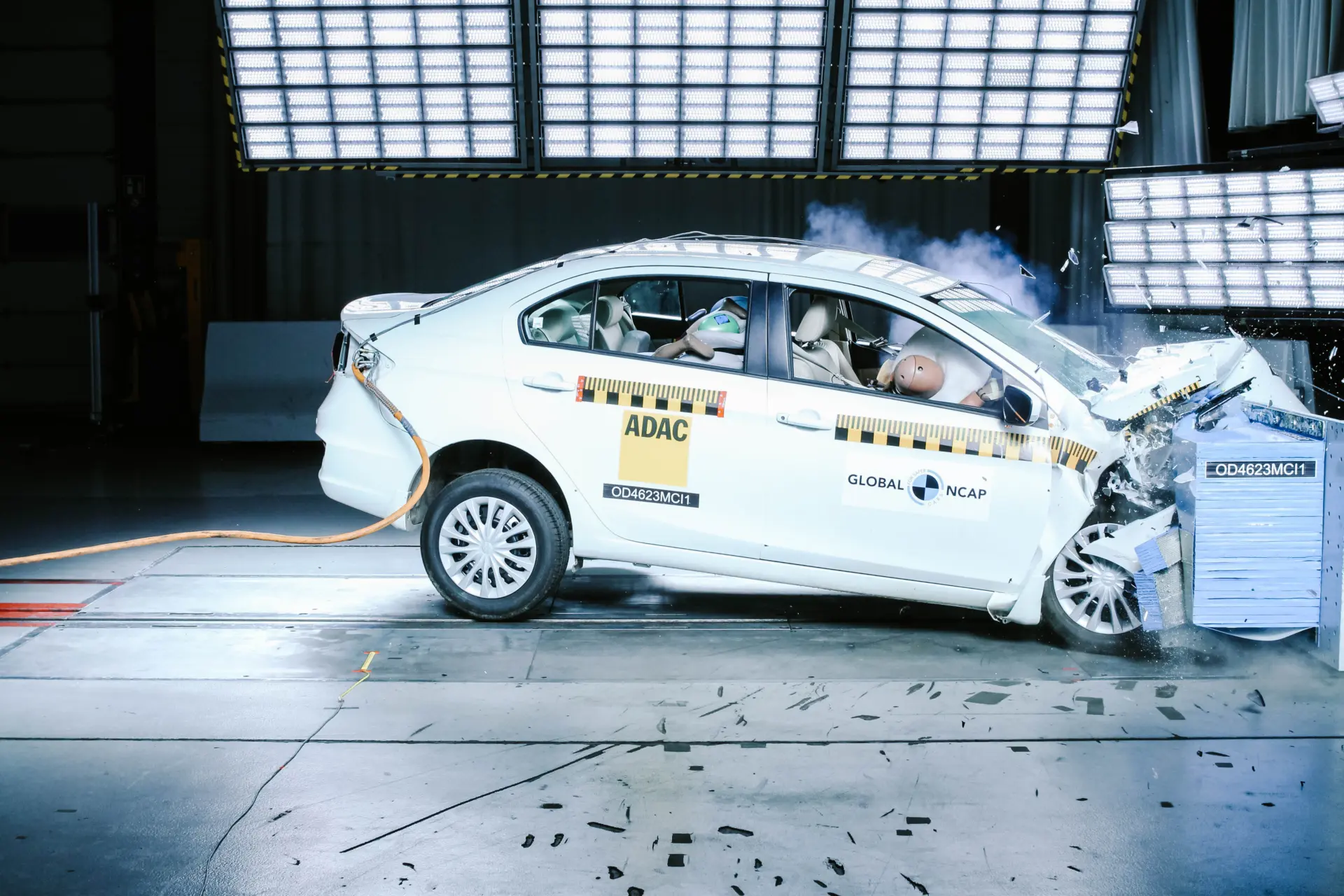
The structure was declared unstable, the footwell area lacked integrity and side head protection was missing. These issues mean the sedan cannot shield occupants effectively in real-world high-impact crashes. The absence of three-point seatbelts for all passengers further weakens its case at a time when safety norms increasingly demand them.
The Ciaz’s score feels out of step with Maruti’s newer five-star performers like the Dzire and Victoris, both of which showed that strong structures and modern restraint systems are possible even in mass-market cars. The gap between these models highlights uneven safety progress within the brand.
Structural Weakness: The Hidden Problem Indian Buyers Need to Understand
Most Indian buyers look at airbags as the primary sign of safety, but experts know structure is the starting point. An unstable bodyshell cannot absorb impact energy effectively. This forces more crash energy onto occupants even if the car has multiple airbags.
This is the core problem with both the Celerio and Ciaz. While the Celerio’s airbag upgrade helped its score, it didn’t change the underlying platform. The Ciaz, meanwhile, continues to be based on older architecture that predates India’s stricter safety expectations.
Child Safety: The Most Concerning Result
Child occupant protection remains the weakest area for both models. In the Celerio, the forward-facing child seat for a three-year-old allowed excessive head movement. In the Ciaz, the restraints struggled to hold the child dummy safely in side impact tests.
Indian roads already pose a higher risk for children due to inconsistent seating practices. When the restraint system itself underperforms, the risk multiplies.
The inability to deactivate the front passenger airbag when using a rearward-facing child seat adds another layer of risk in both models. It’s a reminder that child safety is still not a priority in many mainstream cars.
What These Ratings Mean for Maruti’s Future in India
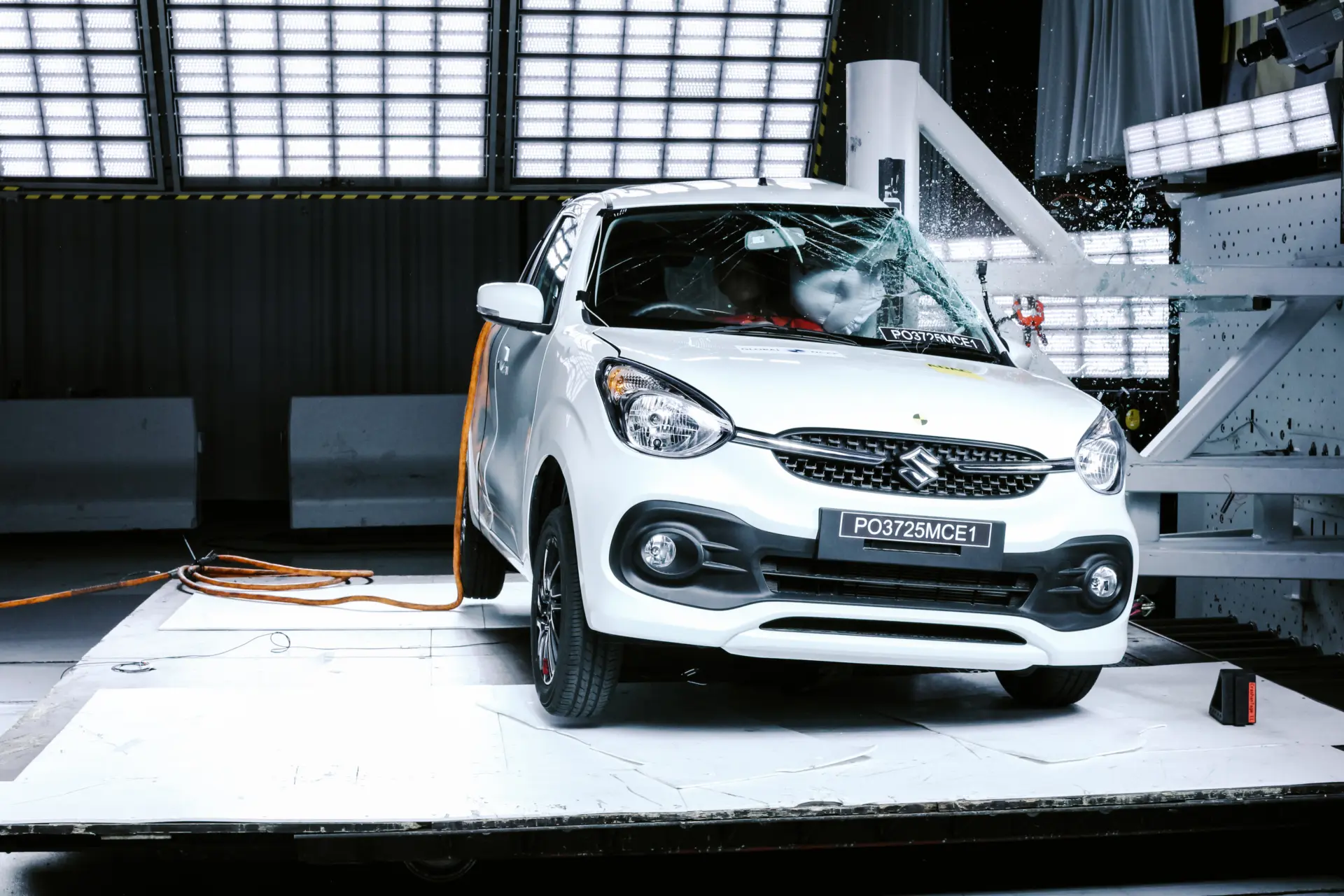
Global NCAP welcomed Maruti’s move to standardise six airbags, but the organisation made it clear that airbags alone are not enough. The brand’s newer five-star cars prove that better platforms and engineering are already within reach.
The Celerio’s progress is reassuring, but the Ciaz’s stagnation shows that Maruti’s older platforms cannot keep up with changing safety norms and rising consumer expectations. As India moves toward a more safety-aware market, brands that do not modernise their entire lineup risk losing trust.
For Indian buyers, these results offer a simple message. Compare platforms, not just features. Look at structural stability, child safety scores and restraint design. Airbags are important, but real safety comes from engineering you cannot see.
The Celerio’s three-star rating is a step forward. The Ciaz’s one-star rating is a wake-up call. And together, they paint a clear picture of the direction Indian car safety must take.
