6 New Cars Launching in January 2026: SUVs, EVs and One Big Surprise

January 2026 is shaping up to be one of the most important starting points for India’s auto industry. Instead of routine facelifts, the month brings a wave of ambitious products that signal where the market is heading: smarter tech, stronger safety, electrification and a wider spread of body styles. Each launch also reflects how competitive the landscape has become, especially in the SUV-heavy segment.
Mahindra XUV 7XO
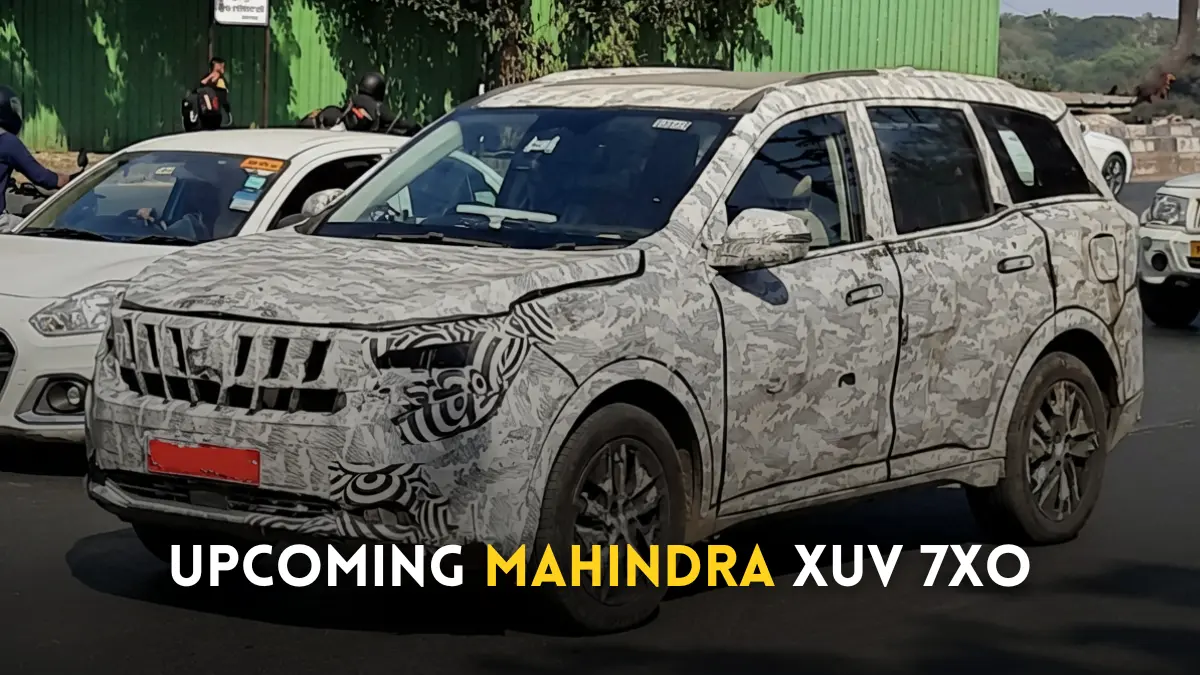
Mahindra begins the year aggressively with the XUV 7XO. Rather than a mild update, this is a deep transformation built to defend the XUV700’s leadership against newer rivals.
The cabin receives a serious tech infusion with three displays, upgraded materials and next-gen ADAS visualisation. The 540-degree camera system and premium audio setup also push the SUV closer to a luxury experience. Mahindra is clearly betting that Indian buyers will now prioritise sophistication over bare power.
New Kia Seltos: Second Generation, Bigger Ambitions
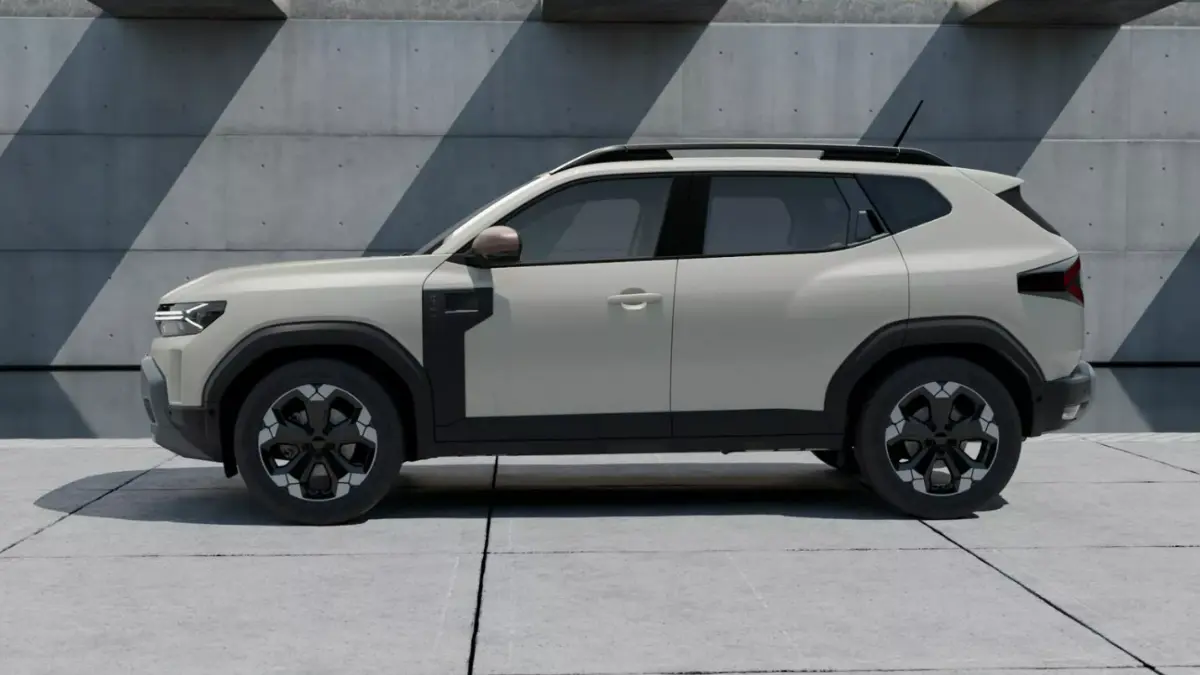
Kia’s second-gen Seltos lands on January 2 and aims to stay ahead in the most crowded SUV battleground. Built on the K3 platform, it keeps its familiar powertrains but introduces redesigned interiors, smarter instrumentation and a more feature-dense package.
For Kia, this is an important reset. The brand wants to preserve Seltos’ aspirational image while ensuring it feels fresh enough to counter new-age competitors in the midsize segment.
New Renault Duster: A Legendary Name Returns

Renault brings back the Duster on January 26, and its comeback could reshape the compact SUV space again. The new CMF-B platform and Level 2 ADAS represent a big leap from the older model’s utilitarian roots.
The design stays close to the global version but with adjustments for India, while the cabin gets a modern layout supported by a 10.1-inch touchscreen. The Duster has always had strong brand recall, and Renault is banking on that nostalgia blended with new-age tech to revive its fortunes.
Tata Harrier & Safari Petrol: New Engine Signals a Shift

Tata Motors will focus on expanding its powertrain offerings by finally introducing petrol versions of the Harrier and Safari. The new 1.5-litre Hyperion turbo petrol engine arrives alongside modern upgrades such as an OLED infotainment display, Level 2 ADAS and new Ultra trims.
This shift is significant as Tata looks to reduce dependence on diesel and cater to buyers who prefer smoother, quieter petrol drivetrains. It also strengthens Tata’s position as rivals slowly move away from diesel-heavy lineups.
Maruti Suzuki e Vitara: India’s Next EV Milestone
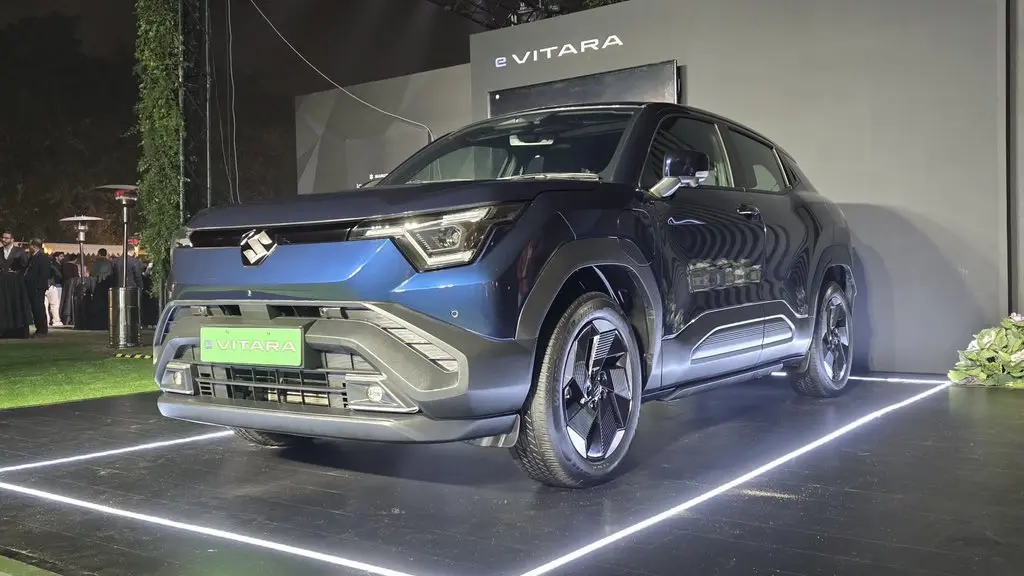
The e Vitara marks Maruti Suzuki’s real entry into mainstream electric mobility. Built on the Heartect-e platform, it promises two battery choices and a range of over 500 km.
With ADAS, a head-up display and a large touchscreen, Maruti is positioning the e Vitara not just as an affordable EV but as a feature-rich upgrade for existing Maruti owners looking to move into electric. The model is expected to play a major role in pushing EV adoption deeper into Indian households.
Nissan Gravite: The Under-the-Radar Launch to Watch
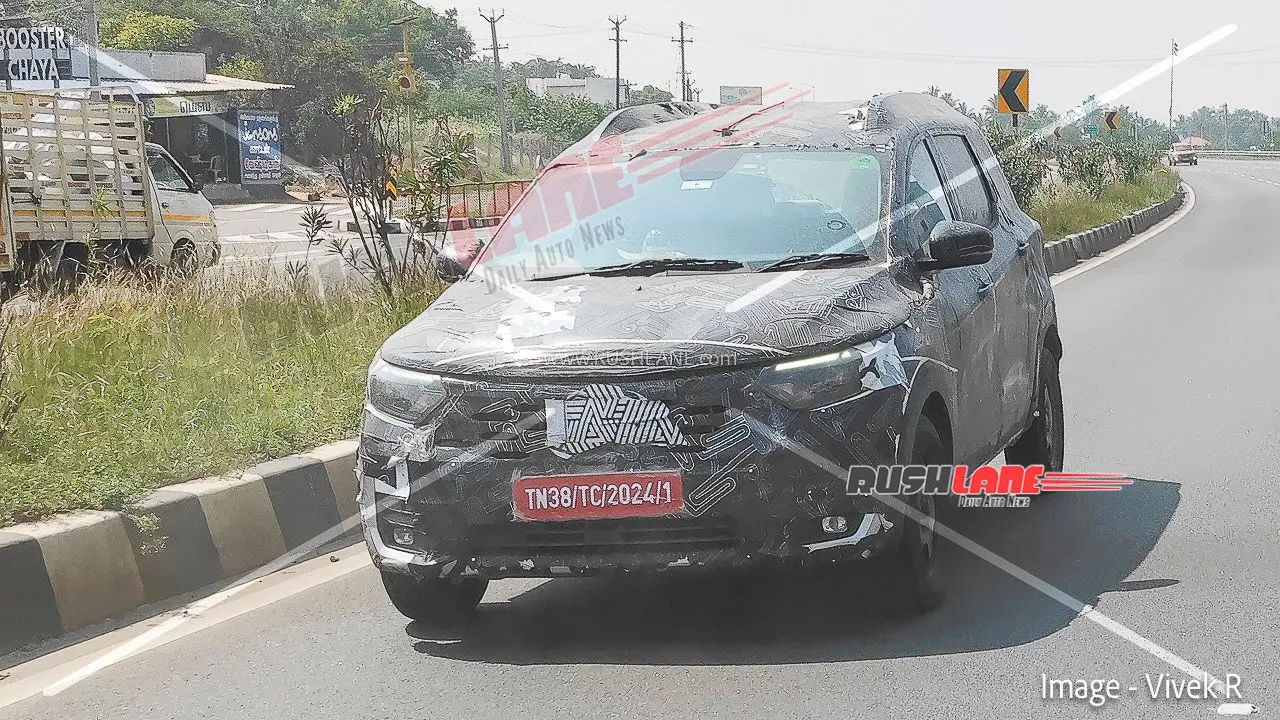
The Gravite is the surprise entry in this lineup. Nissan is betting on a compact MPV built on the CMF-B platform, the same foundation as the Triber. However, the Gravite promises a more premium cabin and distinct design.
With MPVs gaining fresh momentum thanks to their practicality, Nissan’s timing is strategic. If priced well, the Gravite could help Nissan regain relevance in a segment with loyal family buyers.
Why January 2026 Matters
These launches represent more than just new products. Automakers are attempting to:
- Push electrification into mainstream segments.
- Offer premium features previously limited to higher-priced categories.
- Strengthen their SUV portfolios while maintaining diversity with an MPV.
- Reset product lines for long-term competitiveness.
January 2026 sets the tone for a year where Indian buyers can expect greater choice, smarter technology and stronger value across segments. This lineup shows the industry’s clear shift toward future-ready mobility that blends practicality with innovation.
