Upcoming SUVs in India in the Next 90 Days: 8 Major Launches Set to Reshape the Market
India’s midsize SUV segment is entering one of its most disruptive phases in recent memory. Between now and early 2026, nearly every major mass-market brand is preparing to launch or refresh a core SUV product. This is not a coincidence, nor is it routine lifecycle timing. What we are seeing is a strategic reset of how carmakers view Indian buyers, powertrains, and pricing in the Rs. 12 lakh to Rs. 25 lakh band.
This matters because the 4.3 to 4.6 metre SUV category has quietly become the country’s most competitive battlefield. It is where aspirational buyers upgrade from compact SUVs, where families expect safety and space, and where manufacturers chase volume without sacrificing margins. The next wave of launches will shape buying decisions for years, not months.
Tata’s Two-Track Strategy: Legacy Meets Transition
Tata Motors is attacking the segment from both ends. On one side is nostalgia backed by electrification. The Sierra nameplate’s return has already triggered strong emotional recall, and the upcoming Sierra EV is positioned as a long-range, lifestyle-focused electric SUV rather than a city-only commuter. With a claimed range expected to cross the 500 km mark, Tata is signalling that EVs are ready to replace diesel for highway users, not just urban drivers.

On the other side, Tata is fixing a long-standing gap. The Harrier and Safari have been successful despite lacking petrol options. Introducing a modern turbo-petrol engine finally broadens their appeal in metros where diesel hesitation is real. This move is less about chasing enthusiasts and more about future-proofing these models against tightening emission norms and changing urban sentiment.
Renault and Nissan: Betting Big on a Second Chance
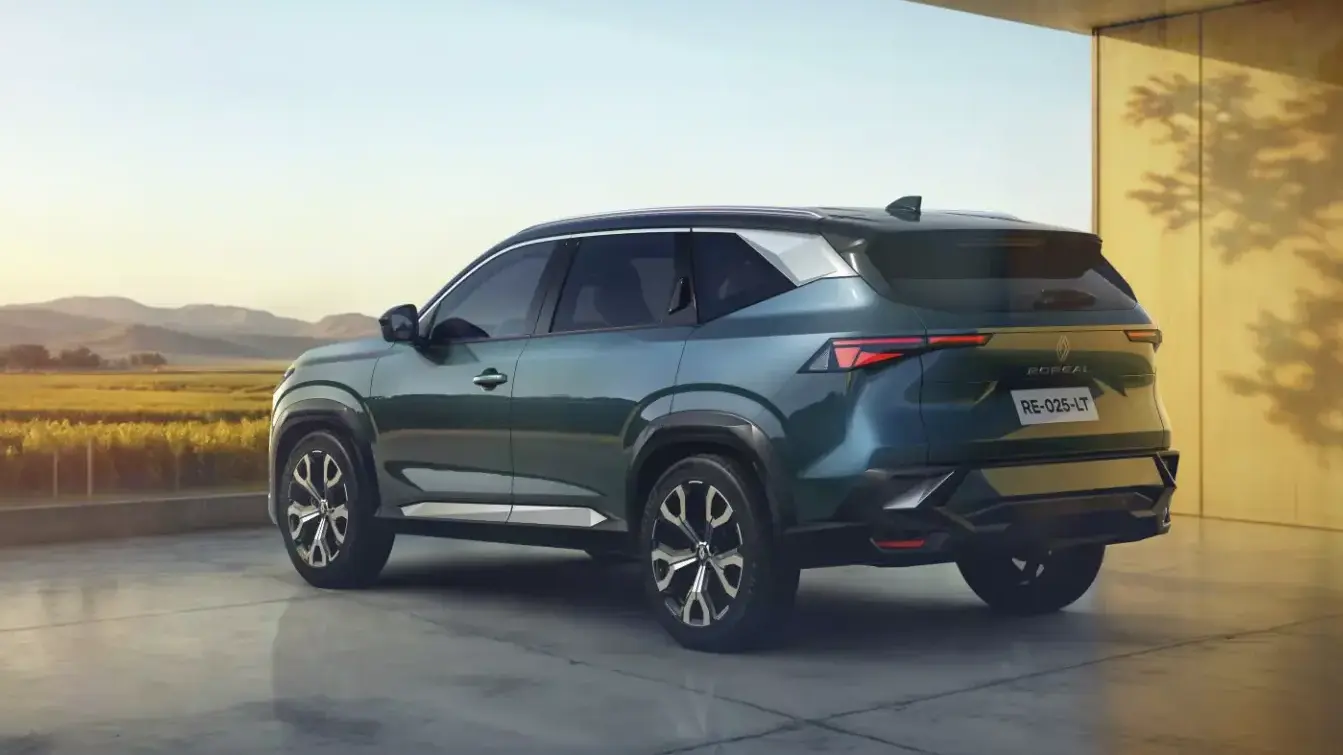
The return of the Duster is not just another launch, it is a referendum on whether global platforms can succeed with deep localisation. Renault’s decision to bring the next-generation Duster to India on the CMF-B architecture shows renewed confidence in the market. This SUV will be judged not just on design or features, but on pricing discipline and after-sales commitment.
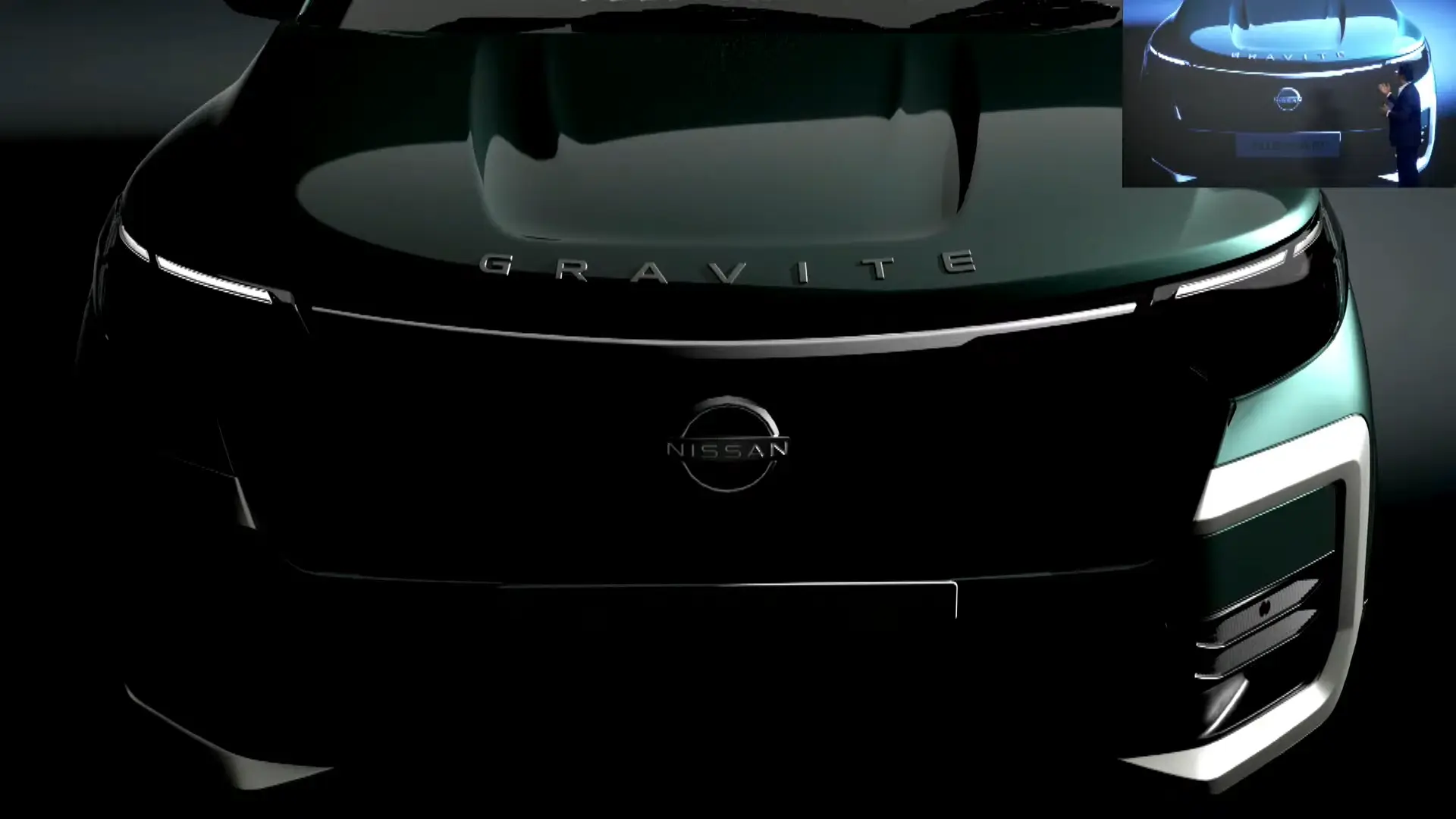
Nissan’s Tekton follows a similar path but with higher stakes. For Nissan, this model is critical to re-establish relevance in India beyond niche offerings. If priced and marketed well, these siblings could revive interest in a segment that once defined rugged, no-nonsense SUVs.
Maruti Suzuki’s EV Moment of Truth
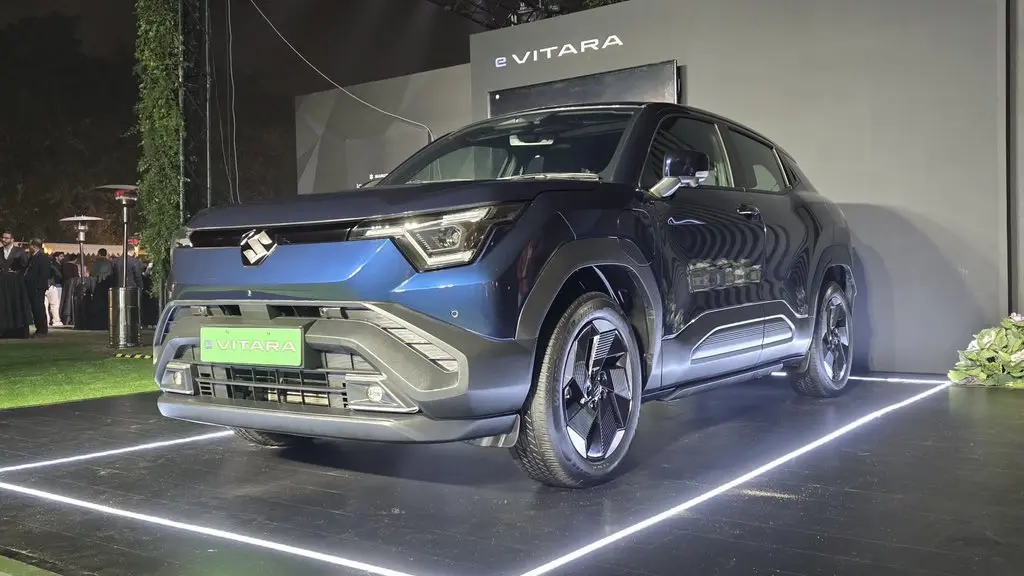
Maruti Suzuki’s entry into the electric SUV space is arguably the most consequential launch in this lineup. The e Vitara is not just another EV, it represents Maruti’s answer to the question many have been asking for years: when will India’s largest carmaker go electric at scale?
With a claimed range exceeding 500 km and a strong safety rating, Maruti is clearly targeting fence-sitters who want the reassurance of the brand without compromising on modern expectations. If executed well, this SUV could normalise EV ownership for a massive section of Indian buyers.
Kia and Mahindra: Refinement Over Reinvention
Kia’s updated Seltos shows how established players are choosing evolution over disruption. By sharpening design, improving cabin quality, and retaining familiar engine options, Kia is protecting its leadership while responding to rising expectations. This is a classic case of not fixing what isn’t broken, but polishing it relentlessly.
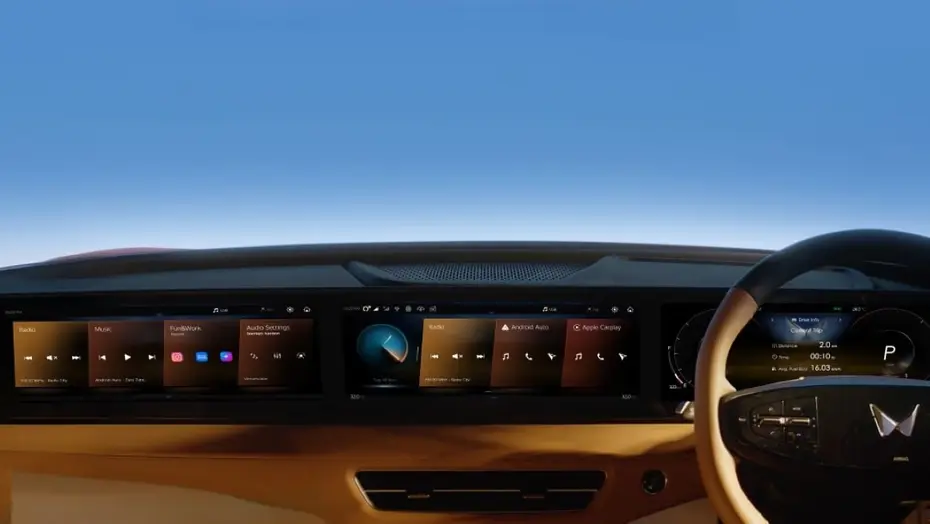
Mahindra’s XUV 7XO follows a similar philosophy but with a tech-forward twist. The triple-screen interior and feature upgrades underline how digital experiences are becoming non-negotiable in this segment. For Mahindra, this is about defending its stronghold while aligning its SUVs with the brand’s electric future.
Also Read: 25 Upcoming cars in India
Why This Launch Window Is Different
What makes this phase unique is not just the number of launches, but the diversity of intent. Petrol engines are making a comeback, EVs are pushing real-world usability, and global platforms are being localised aggressively. Buyers are no longer being asked to compromise between technology, safety, and powertrain choice.
The next three months will effectively reset benchmarks for range, features, safety ratings, and pricing discipline. SUVs launched in this window will influence resale values, fleet buying decisions, and even policy discussions around EV adoption.
For Indian buyers, this is a rare moment of leverage. Competition this intense almost always works in the customer’s favour. For manufacturers, it is a high-stakes test. Get the product right now, and the rewards could last the entire decade.
