Forget Kia Clavis EV: Maruti And Toyota’s Upcoming 7‑Seater Might Be India’s Next Big EV Hit
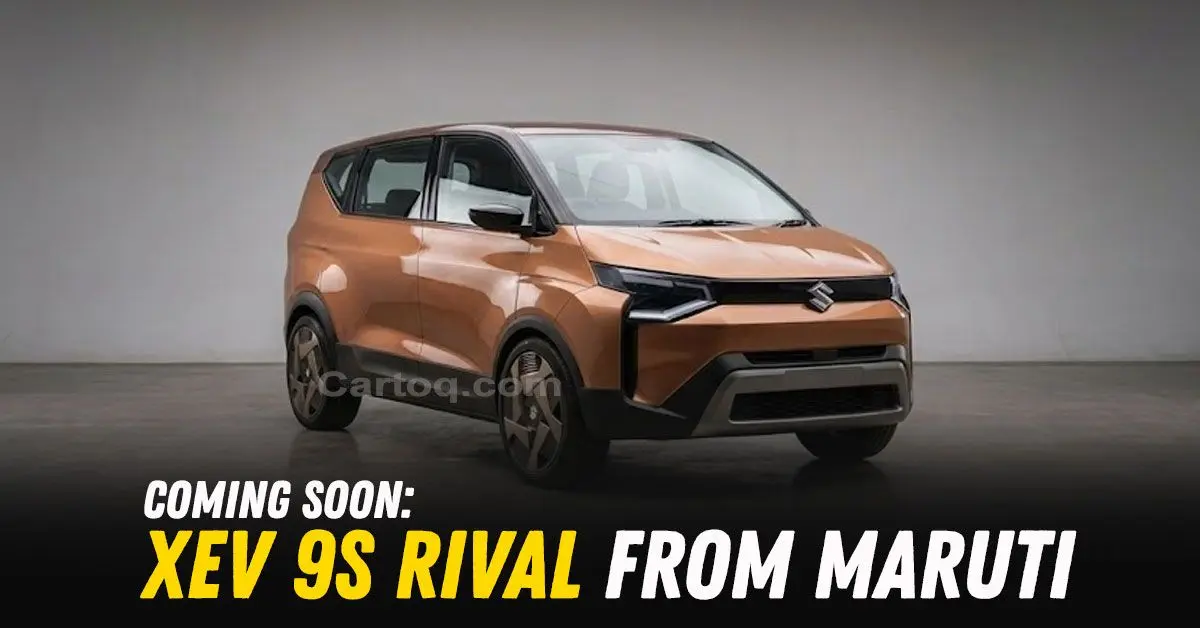
India’s three-row EV market has quietly become one of the most strategic battlegrounds in the auto industry. With families shifting to electric mobility faster than expected, the demand for spacious, practical EVs has far outpaced supply. That gap is exactly what Maruti Suzuki and Toyota are now preparing to attack with their upcoming seven-seater electric MPV. And its arrival could change the direction of the segment altogether.
Maruti And Toyota’s Big EV Push Comes At The Right Moment
India’s 7-seater EV space is still underserved. Models like the Kia Clavis EV and Mahindra XEV 9S have created early excitement, but there’s room for a mainstream brand to dominate. Maruti’s timing couldn’t be better. While the company missed the first wave of EVs, its second electric model might be the one that shapes the market.
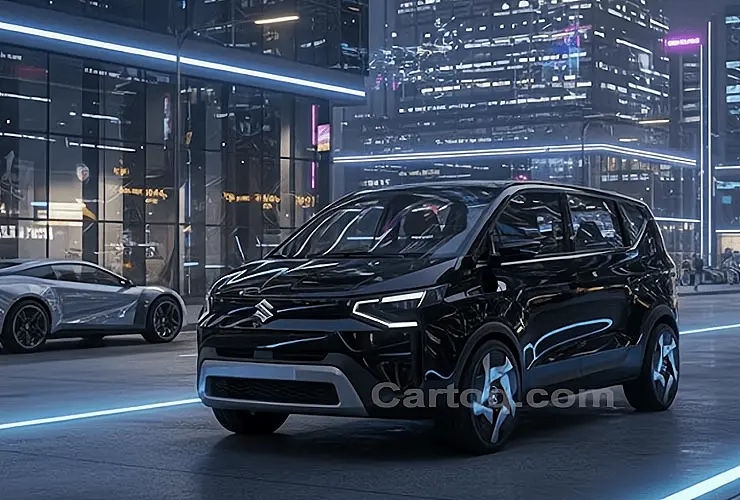
The new MPV, codenamed YMC, is being developed with Toyota and sits on the same Heartect-e architecture as the eVitara. This skateboard platform is designed for EVs from the ground up, allowing better packaging, a flat floor, and more cabin room, all essentials for Indian families.
A Platform Built For Space And Efficiency
Unlike its SUV sibling, the YMC MPV may adopt a rear-wheel-drive layout. This decision isn’t about performance; it’s about freeing cabin space. With mechanical components moved to the rear, the cabin can be wider, flatter, and more flexible, something Indian MPV buyers value more than anything else.
The battery strategy is expected to mirror the eVitara, with 49 kWh and 61.1 kWh packs. The larger battery already claims over 530 km on the SUV. Even with the added size of the MPV, real-world range is likely to remain competitive. And with India’s charging networks improving, range anxiety is no longer the deal-breaker it once was.
Why This EV Matters To India
Maruti and Toyota’s entry isn’t just another model launch; it’s a signal that mainstream electrification is accelerating. When India’s biggest carmaker commits to a three-row EV, suppliers, infrastructure players, competitors, and even policymakers take notice.
For consumers, this could be one of the first electric MPVs that offers practical range, strong reliability, accessible pricing, and nationwide service support. That combination is something global EV brands still struggle to match.
Toyota’s Version Will Only Strengthen The Segment
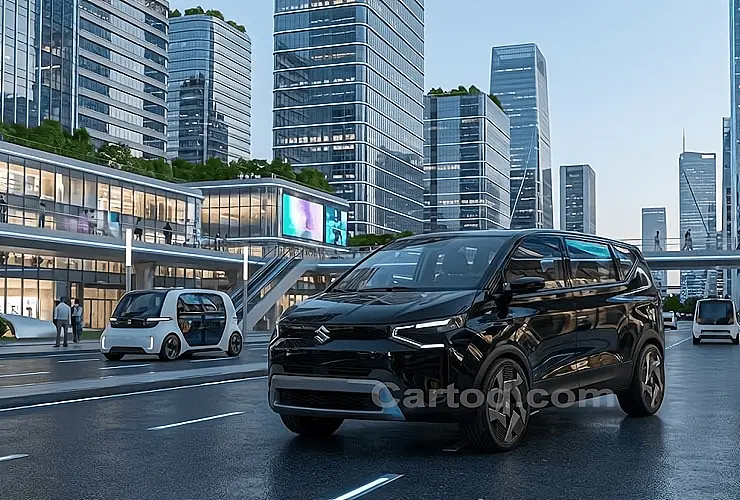
As with the eVitara and Toyota’s Urban Cruiser EV, the MPV will also get a Toyota sibling. While details are limited, expect clear visual differentiation while sharing the same platform and technology. Toyota’s presence will only expand the segment and give buyers more confidence.
Can It Beat The Clavis EV And XEV 9S?
Kia and Mahindra have already set benchmarks in design, tech, and early adoption. But Maruti brings unmatched reach. With Nexa handling sales and Maruti-Toyota’s charging network expanding, even premium EV buyers will consider this MPV if pricing is right.
What will decide the winner is simple: cabin experience, range consistency, and pricing. If Maruti and Toyota get these three right, rivals should be worried.
The Road Ahead
The launch may shift beyond 2026 due to earlier delays, but that might actually work in the MPV’s favour. India’s EV maturity will be higher by then, and mass buyers will be more willing to go electric.
For now, one thing is clear. This is not just another product in a growing EV lineup. It’s a strategic play aimed at owning one of India’s most important segments, family EVs. And if Maruti and Toyota deliver on expectations, the 7-seater EV landscape may look very different in a few years.
