2025 Alto K10 Delivers 25.9 km/l In Real Highway Test With AC On

Indian drivers judge a car by one number more than anything else: its mileage. And while brochure figures sound great, real-world numbers are what truly matter. A recent Skcardetail highway test on the 2025 Alto K10 takes one of the most transparent approaches possible, a one-litre external fuel test. The result turns out to be far more impressive than what Maruti itself claims.
How the Test Was Set Up
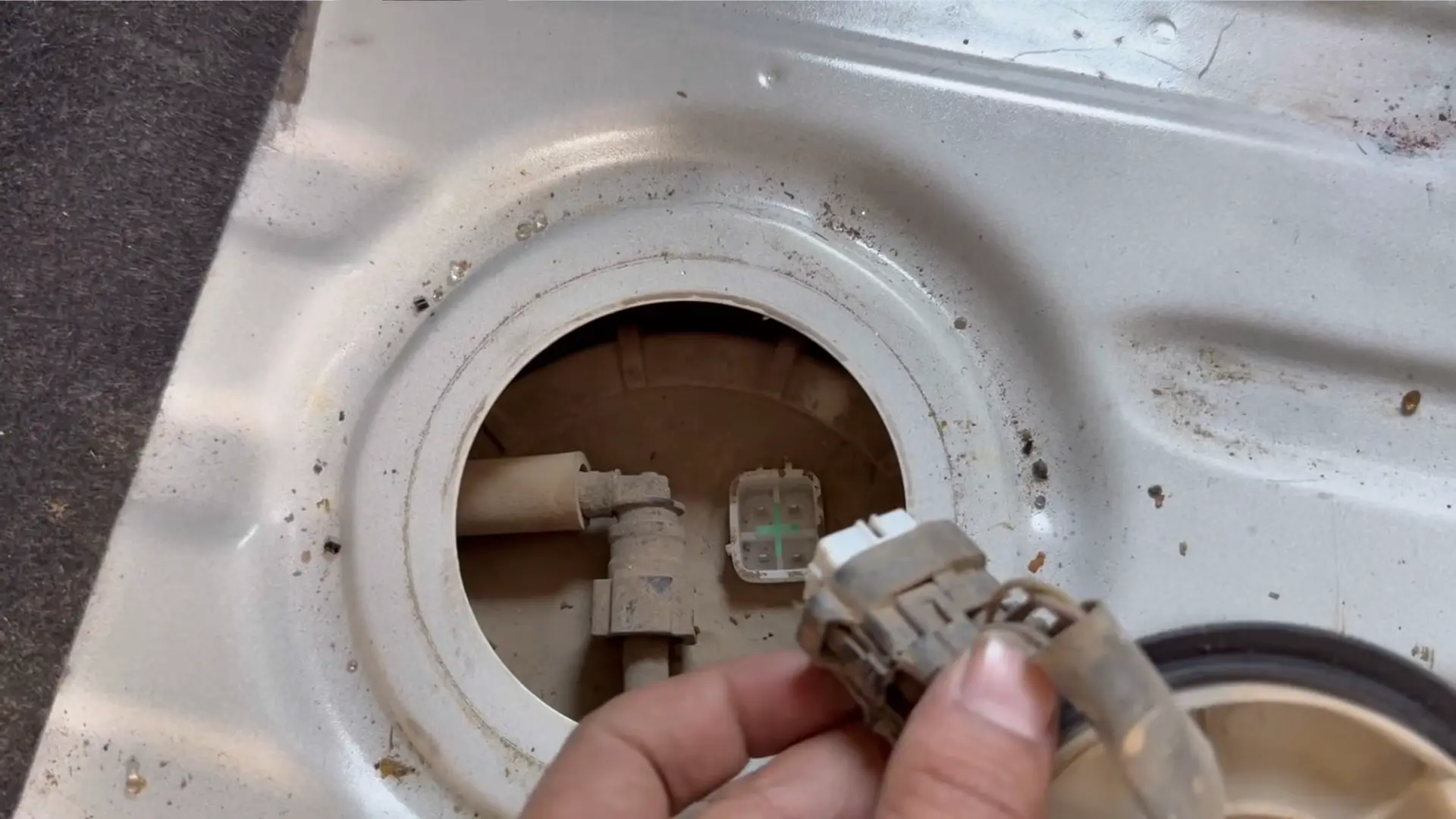
To remove every possible variable, the host disconnected the Alto’s main fuel tank and used a transparent, calibrated one-litre container to feed the engine directly. The AC stayed on throughout the run, set to the lowest temperature with blower speed at level two. Both trip meters and the MID average were reset before the start. The car had already clocked over 56,000 km, making the test more relevant for real-world owners.
Highway Run and Driving Strategy
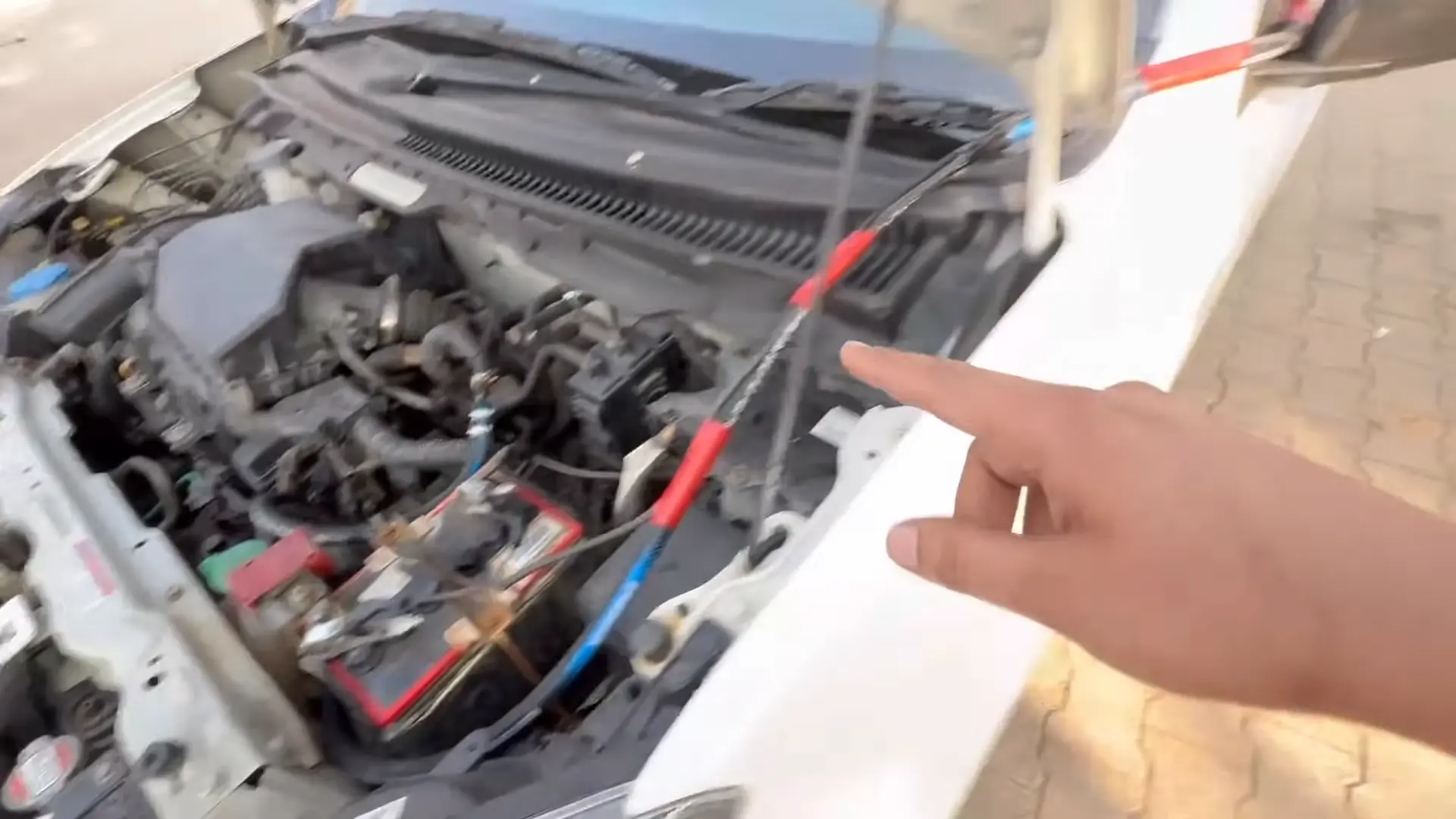
The host maintained a steady 70 to 80 km/h, a speed range known to extract maximum mileage from small petrol engines. He avoided sudden throttle inputs and followed a light-foot technique that keeps revs stable. Exceeding 90 km/h was avoided since it would immediately drop efficiency. The idea was simple: simulate a relaxed, realistic highway cruise while keeping conditions consistent.
What Happened During the Run
The fuel consumption was tracked visually in the container as the kilometres rolled by. At the 5 km mark, around 200 ml had already been used. By 12 km, half a litre remained, and the car was already outperforming its owner’s earlier estimate of 22 km/l. At 20 km, only about 200 ml of fuel was left. The Alto continued smoothly until the engine finally stalled at 25.9 km — marking the exact end of the one-litre run.
Final Mileage and Why It Beats ARAI
Covering 25.9 km on a single litre with the AC running is a strong result. It comfortably surpasses the ARAI-rated 22 km/l, even though ARAI tests take place under controlled laboratory conditions. This outcome highlights how small, lightweight cars like the Alto can deliver exceptional highway economy when driven at steady speeds.

MID Reading vs Actual Number
Interestingly, the MID displayed an average of 34.3 km/l — much higher than the physical measurement. This happens because the system calculates economy based on throttle behaviour and engine load, not exact fuel volume. Smooth driving often causes the MID to overestimate, which is why real-world tests like this offer more reliable numbers.
Why Alto Gets Better Mileage Than Wagon R and Celerio
All three cars — Alto K10, Wagon R, and Celerio — share the same 1.0-litre K-Series engine. The difference lies in weight. The Alto is the lightest of the trio, which means the engine needs less effort to move the car. It’s like three athletes with the same lung capacity running the same distance — the lightest one will always use the least energy.

Final Verdict
The reviewer ends the test by calling the Alto K10 a true “mileage machine,” even joking that its economy now feels close to a Bullet motorcycle. For budget-focused buyers or highway commuters, this result reinforces what the Alto has always stood for: reliability, simplicity, and efficiency. The one-litre test proves that the 2025 Alto K10 continues to deliver where it matters most for Indian families.
