10 Electric Cars Launching In India In 2026: From Maruti eVitara To Tata Avinya
India’s EV transition has entered a decisive phase. After years of promises, 2026 will be the year when mainstream, premium and ultra-affordable electric cars finally arrive together. What makes this lineup important is not just the number of launches but the variety. From compact urban EVs and family SUVs to futuristic premium models, the next twelve months will help define how India adopts electric mobility.
1. Maruti eVitara: The Mainstream Breakthrough
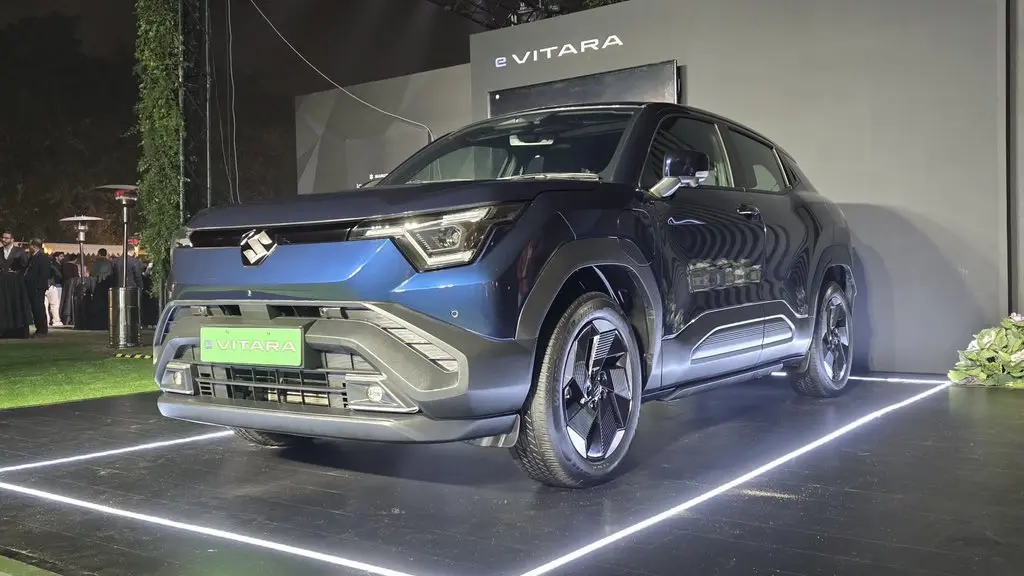
Maruti Suzuki’s first mass electric SUV is more than a product launch; it is a strategic shift for India’s largest automaker. With two battery options and a long-range focus, the eVitara aims to bridge the gap between affordability and capability, something the Indian EV market desperately needs. Maruti is targeting buyers who have been hesitant to switch to EVs due to range anxiety or premium pricing. If priced right, the eVitara could spark the biggest wave of EV adoption India has seen so far.
2. Tata Sierra EV: A Modern Icon Returns
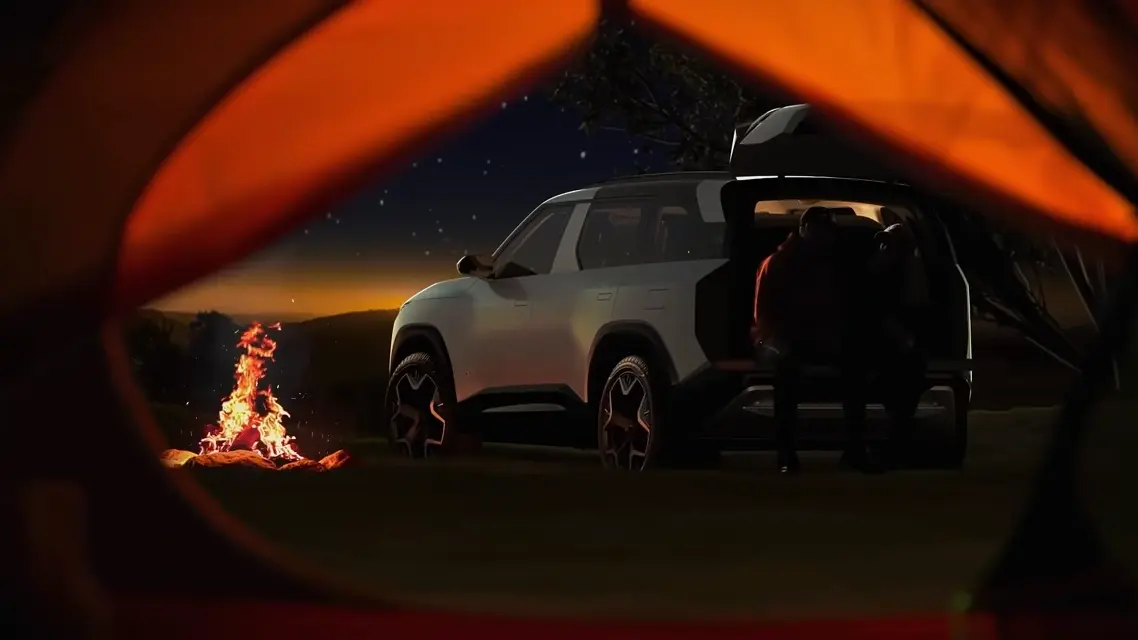
The Sierra EV blends nostalgia with Tata’s proven EV expertise, creating one of the most anticipated launches of 2026. By offering strong battery options, modern design and practical cabin space, Tata is positioning it as a family-friendly electric SUV with long-distance usability. The Sierra’s comeback also strengthens Tata’s growing EV portfolio, ensuring buyers have multiple choices at different price points. Its arrival could also push rivals to accelerate updates to their own midsize SUVs.: A Modern Icon Returns
Tata is bringing back the Sierra as an all-electric SUV. Positioned between the Punch EV and the premium Avinya series, it focuses on practicality, strong range and contemporary design. Its launch strengthens Tata’s advantage as India’s leading EV manufacturer.
3. VinFast Limo Green: A New Player With a Family Focus

VinFast is betting big on India with the Limo Green, an electric MPV that prioritises space, comfort and strong range. Its 5+2 seating makes it an attractive choice for larger families seeking a practical EV that can handle intercity travel. The brand’s 60.1 kWh battery and modern interior design show that VinFast is not just entering the market but aiming to compete seriously. If priced well, it could shake up the under-served electric MPV category in India.
4. Toyota Urban Cruiser EV: The Shared Platform Strategy
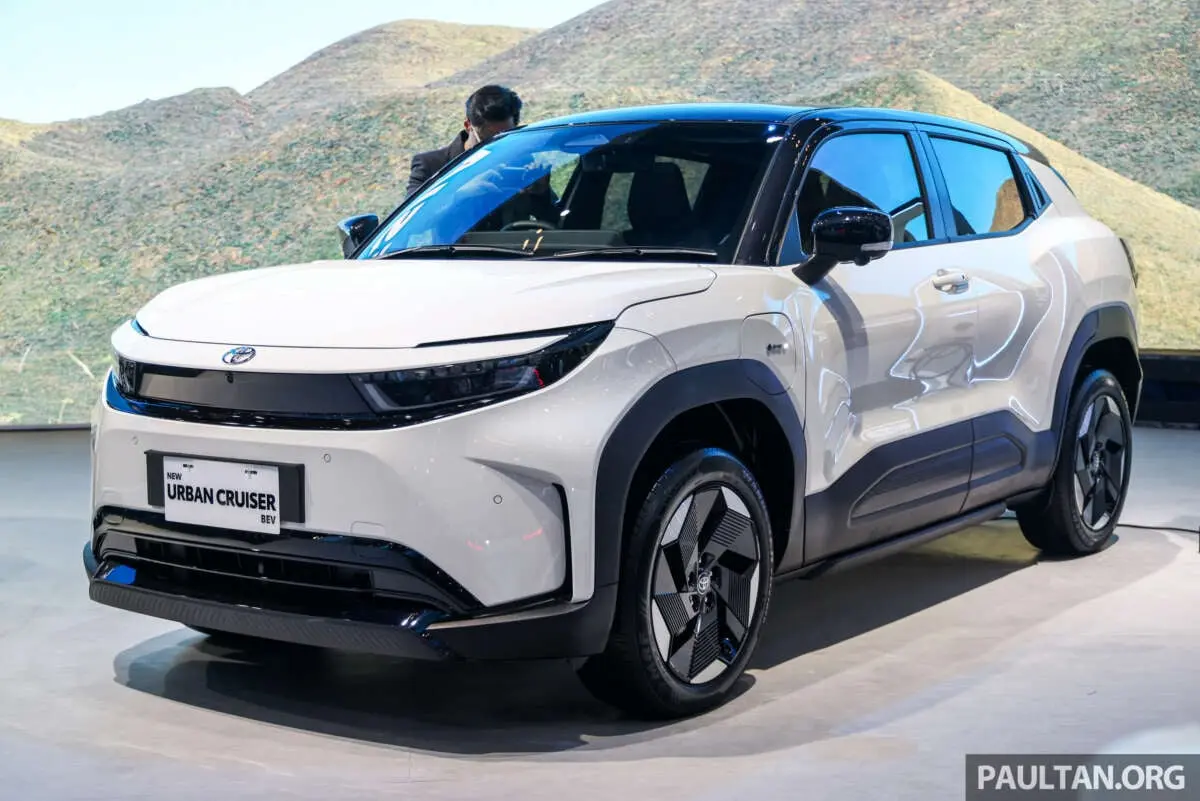
Toyota’s first mainstream electric SUV will share its foundation with the eVitara, but the brand is expected to take a more conservative, reliability-first approach. This model will likely attract buyers who prefer Toyota’s long-term dependability and hassle-free ownership. With multiple battery options and SUV-friendly dimensions, it aims to serve families and city commuters alike. Toyota’s entry also reinforces that India’s EV landscape is no longer experimental; it’s entering a phase of serious competition.: The Shared Platform Strategy
Toyota’s first mainstream EV in India will share its foundation with the eVitara. While styling and interior may differ, the core idea remains the same: offering a reliable, long-range electric SUV with Toyota’s brand trust.
5. Kia Syros EV: A City-Friendly Electric SUV
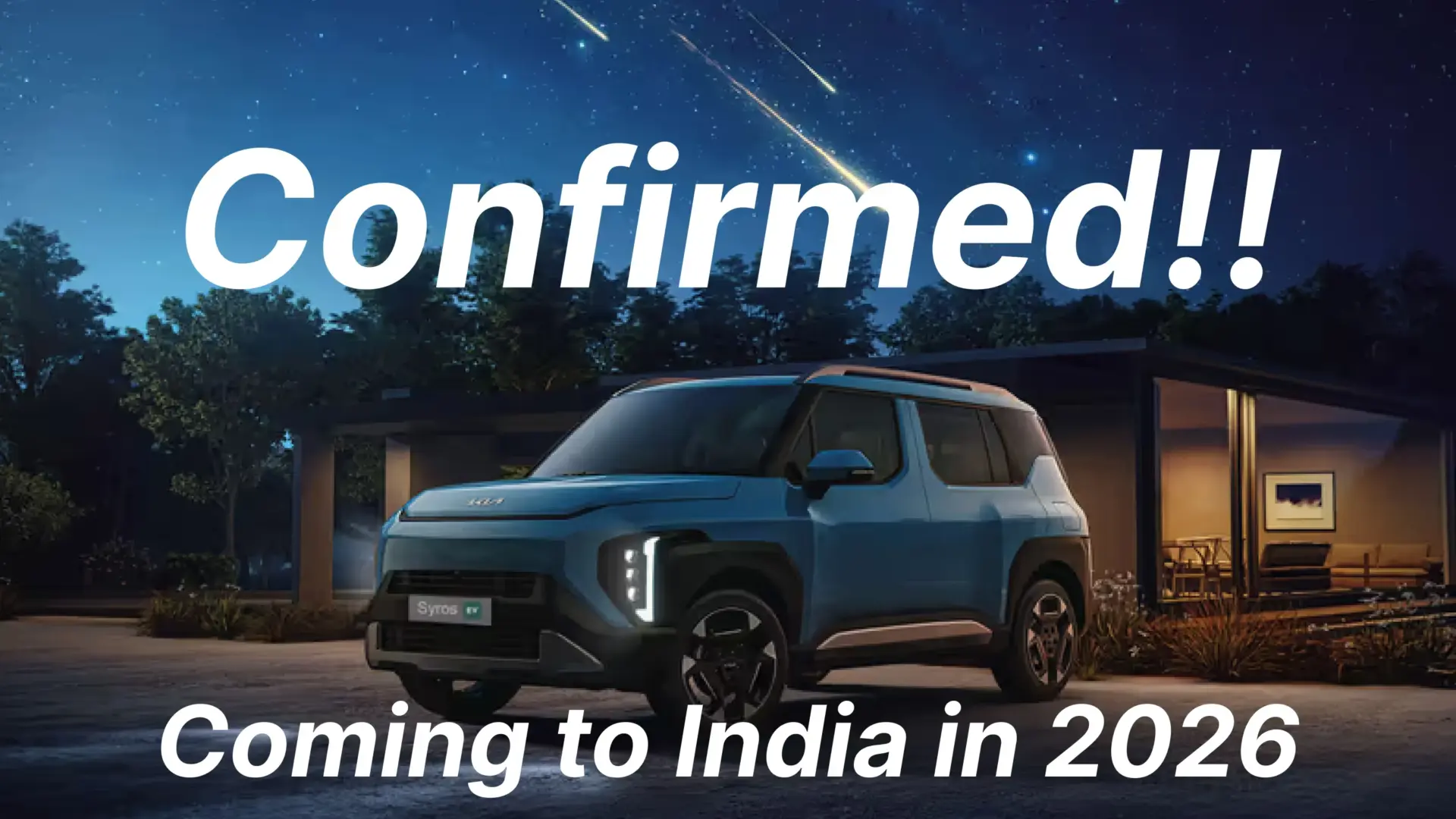
Compact, efficient and feature-rich, the Syros EV is Kia’s answer to India’s growing demand for urban electric SUVs. Its expected range of 300 to 350 km makes it ideal for daily commutes, while Kia’s reputation for strong connectivity features will appeal to younger buyers. Positioned below premium EVs but above entry-level models, it hits a sweet spot in the market. As more cities push for greener mobility, the Syros EV could become one of the most common electric SUVs on Indian roads.
6. Hyundai Ioniq 5 Facelift: Premium EV Tech Evolves
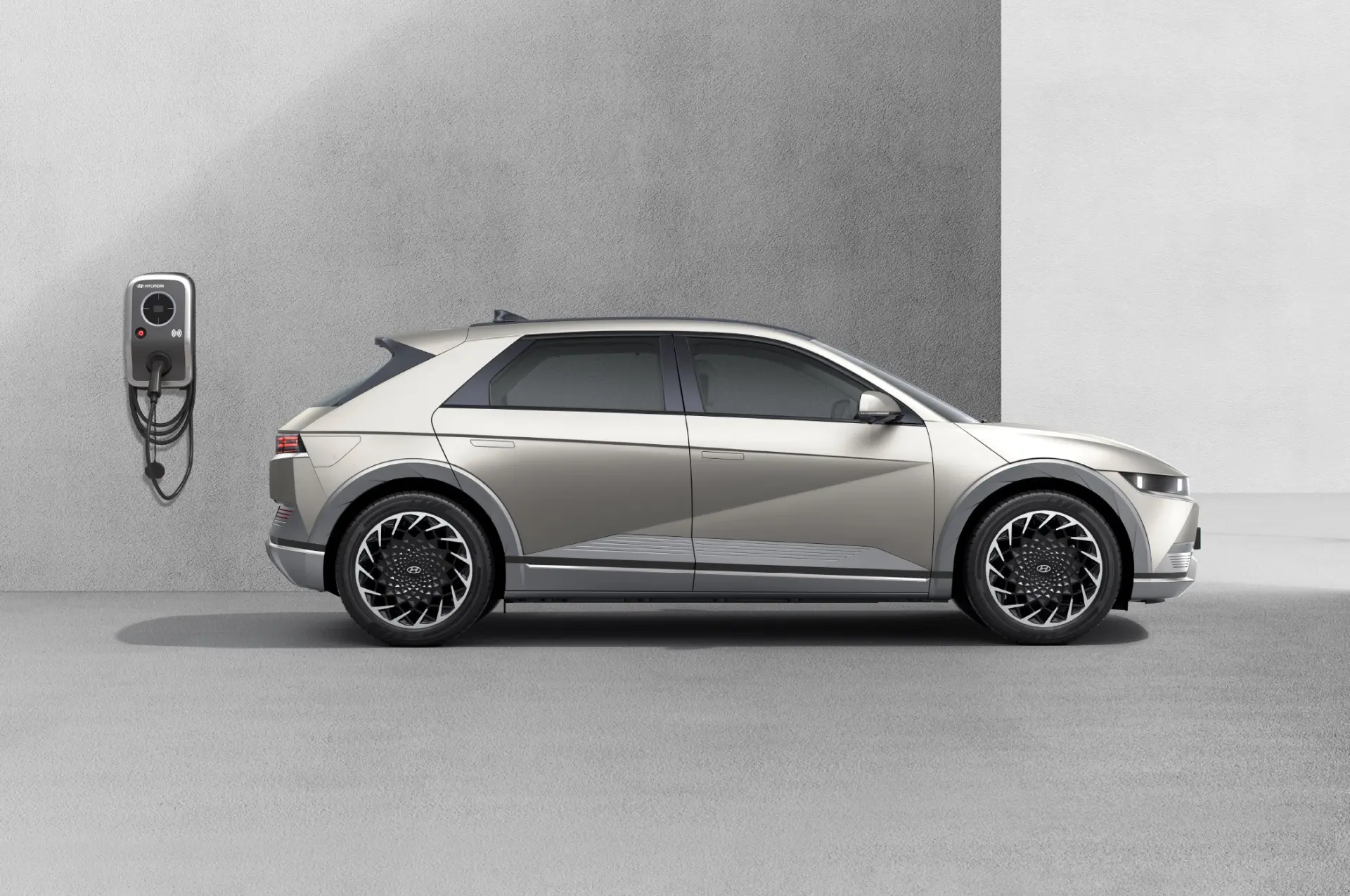
The updated Ioniq 5 aims to refine what is already considered one of India’s best premium electric cars. Buyers can expect improved efficiency, subtle design tweaks and enhancements in cabin comfort. Hyundai is also expected to optimise fast-charging capabilities, making the Ioniq 5 even more long-distance friendly. Its arrival will appeal to tech-focused buyers who want futuristic design along with proven electric performance.: Premium EV Tech Evolves
Hyundai’s facelifted Ioniq 5 will further solidify the brand’s premium EV presence. Improved styling and claimed range enhancements will appeal to long-distance EV users who want space, comfort and advanced technology.
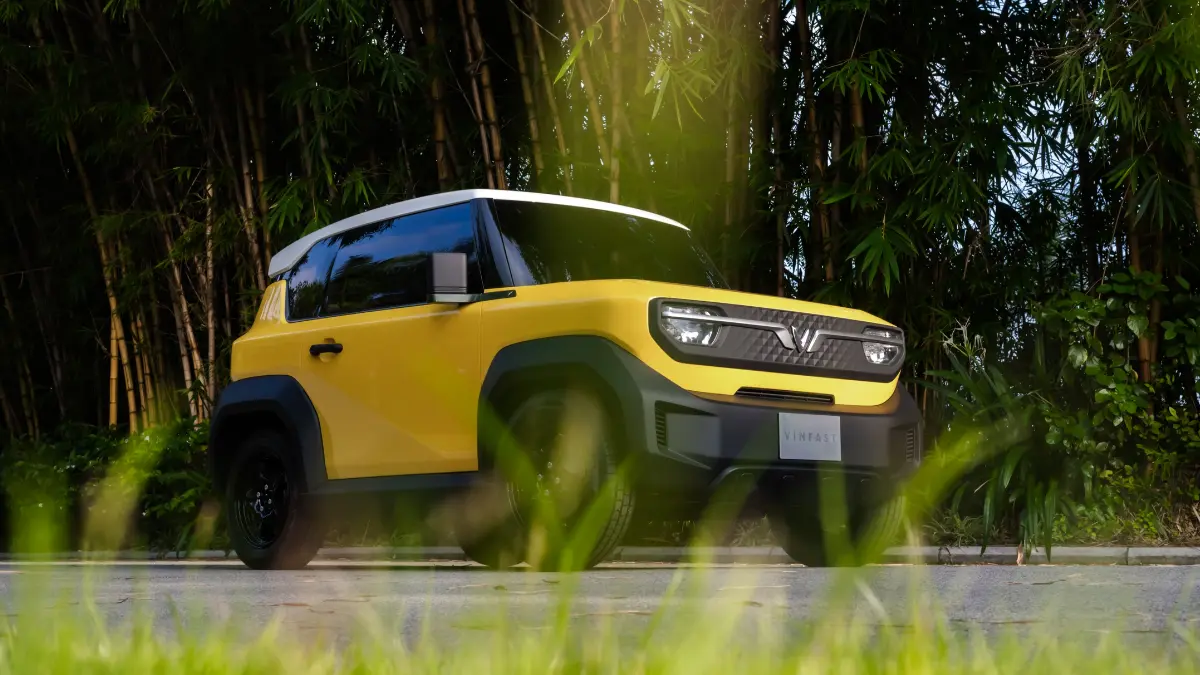
6. VinFast VF3: India’s Most Affordable EV Option

The VF3 could become one of India’s most important EVs simply due to its pricing. Designed as a compact, practical electric car, it focuses on accessibility without sacrificing essential features. Its small battery and lightweight build make it suitable for heavy city use, while its upright stance provides good visibility. If launched with competitive pricing or subscription models, the VF3 could introduce thousands of first-time buyers to EVs.
7. Tata Punch EV Facelift: Keeping a Bestseller Fresh
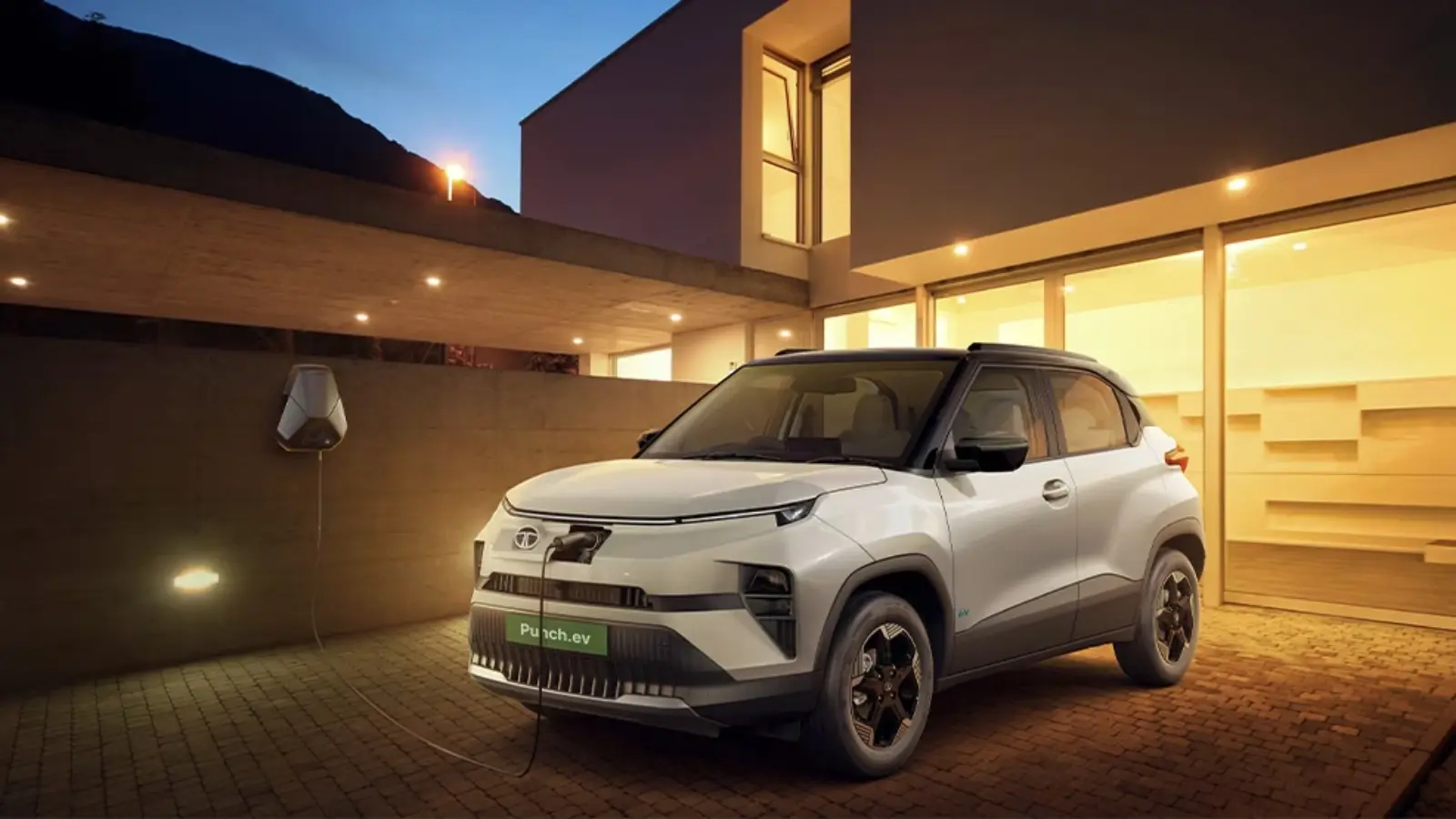
The Punch EV has already built a loyal following among urban commuters, and its facelift aims to strengthen its appeal. Expect better materials, upgraded infotainment and refined driving dynamics. Tata may also optimise battery performance to improve real-world efficiency. As competition heats up in the compact EV space, this update will help the Punch EV maintain its stronghold.: Keeping a Bestseller Fresh
The Punch EV has become a favourite for urban users, and a mid-cycle update will keep it competitive. Expect visual upgrades and added features while Tata reinforces its leadership in the compact EV space.
8. Skoda Elroq: Premium European Electric SUV
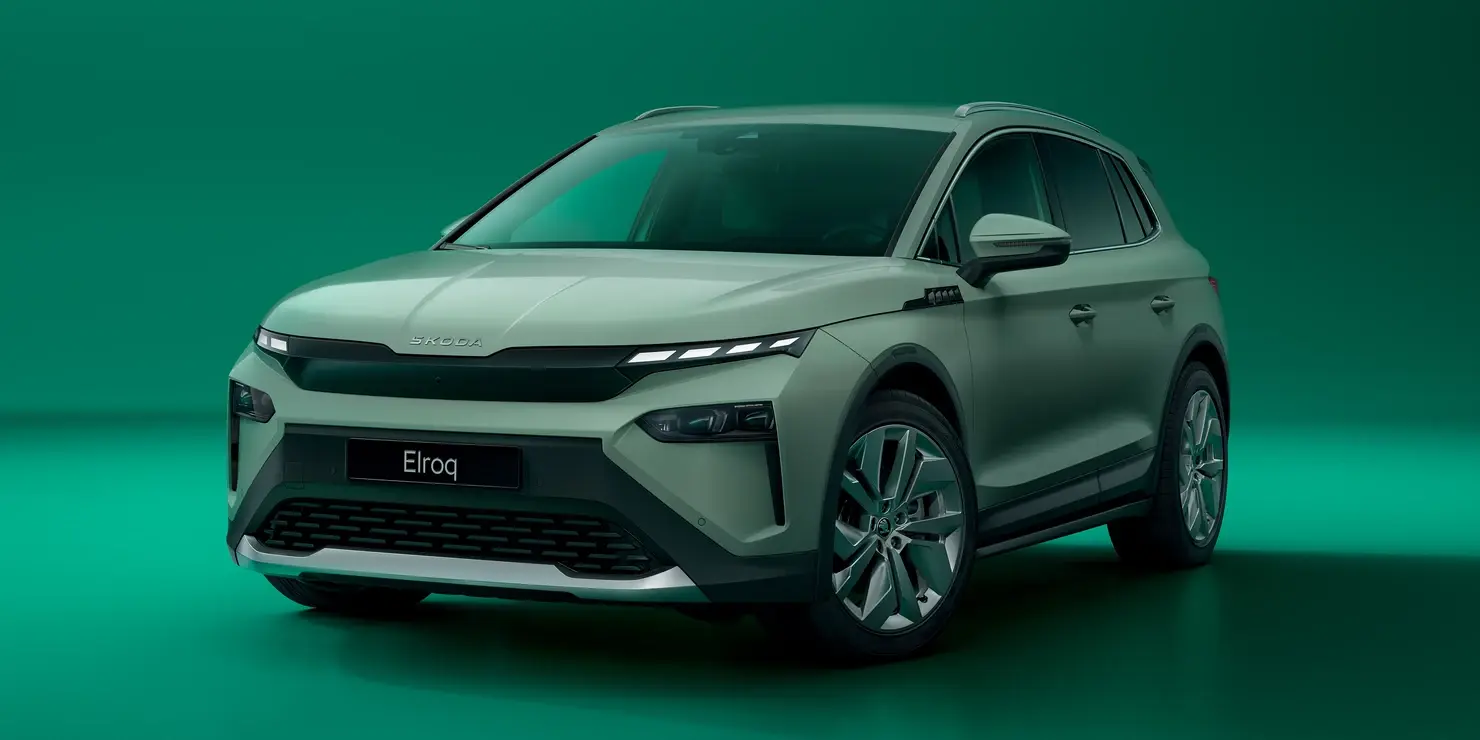
The Elroq represents Skoda’s ambition to compete in India’s premium EV segment. With multiple long-range battery options and European driving dynamics, it will appeal to buyers who value refinement and build quality. The SUV’s spacious cabin and robust performance make it suitable for long trips as well as everyday use. If pricing aligns with expectations, it could become a strong alternative to Korean and Chinese premium EVs.
9. Maruti YMC EV: A Practical Electric MPV
Maruti’s electric MPV will target families who want space without compromising running costs. Built on the same architecture as the eVitara, it aims to offer a reliable electric solution for daily errands and long drives. Expect flexible seating, smart storage areas and range figures suitable for highway travel. As the MPV segment remains a strong performer in India, the YMC EV could broaden Maruti’s influence in the electric space.: A Practical Electric MPV
Maruti’s electric MPV will prioritise family usability. Built on the same architecture as the eVitara, it focuses on space, efficiency and comfort, and is likely to appeal to large families transitioning to EVs.
10. Tata Avinya: India’s Most Futuristic EV
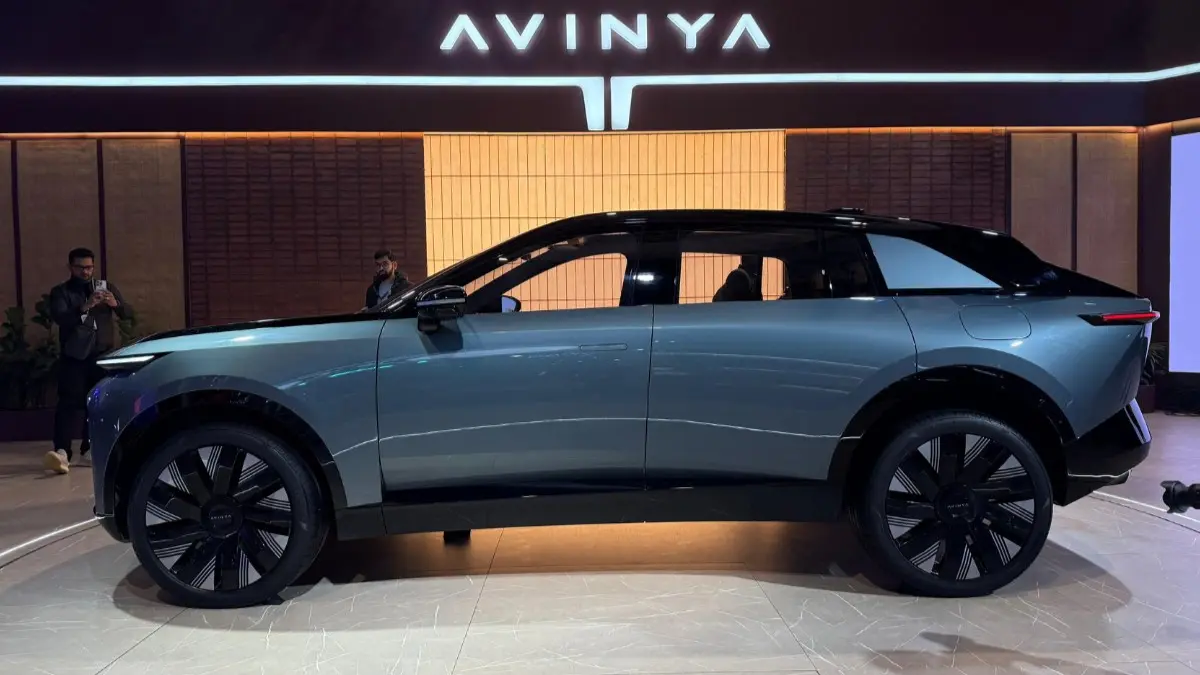
The Avinya is Tata’s boldest electric project yet, built on a new-generation skateboard platform designed for efficiency and luxury. With its minimalistic interior, advanced software and spacious layout, it redefines what Indian buyers can expect from an EV. Tata aims to showcase its global ambitions through this model, signalling a move toward premium electric mobility. The Avinya’s arrival will not only elevate Tata’s brand image but also challenge international players entering India.
Why These EVs Matter for India
This diverse lineup covers every major price point and user profile, making 2026 the most transformative year for electric mobility in India. With options ranging from budget EVs to high-end models, buyers will no longer feel limited by range, pricing or body style. The launches also come at a time when charging infrastructure is growing and battery costs are improving. Together, these developments create the right environment for mass EV adoption.
Expert Take: India’s EV Turning Point
If even half of these models deliver on their expected pricing, range and features, India’s EV landscape will evolve rapidly. Buyers who were uncertain about shifting to electric will finally have compelling options. For many households, 2026 could be the first year where buying an EV feels like the natural choice rather than a compromise.
