Will BS7 Norms Put the Fortuner, Innova Crysta and Harrier at Risk?
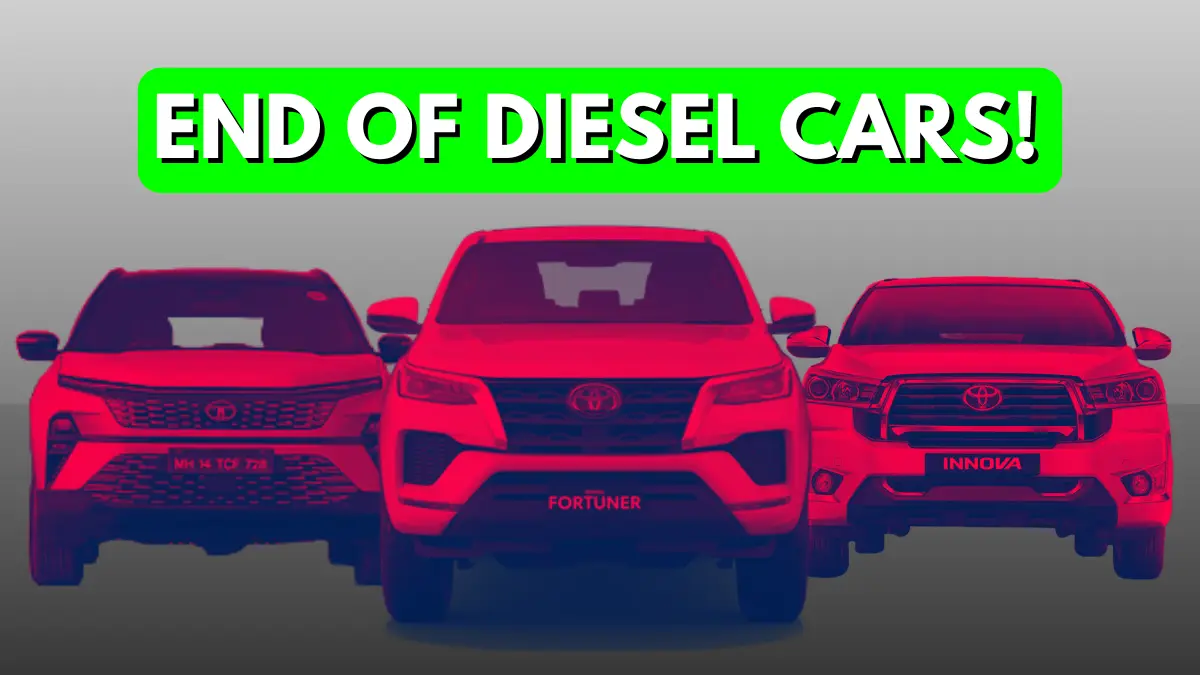
India is heading toward one of the most significant regulatory shifts since the BS6 transition. With BS7 norms expected as early as 2026, concerns around the future of beloved diesel SUVs are growing. While no official rollout date has been finalised, the industry is already preparing for a major change that could impact prices, performance and even the survival of some engines.
What Are BS7 Norms and Why Are They Coming Now?
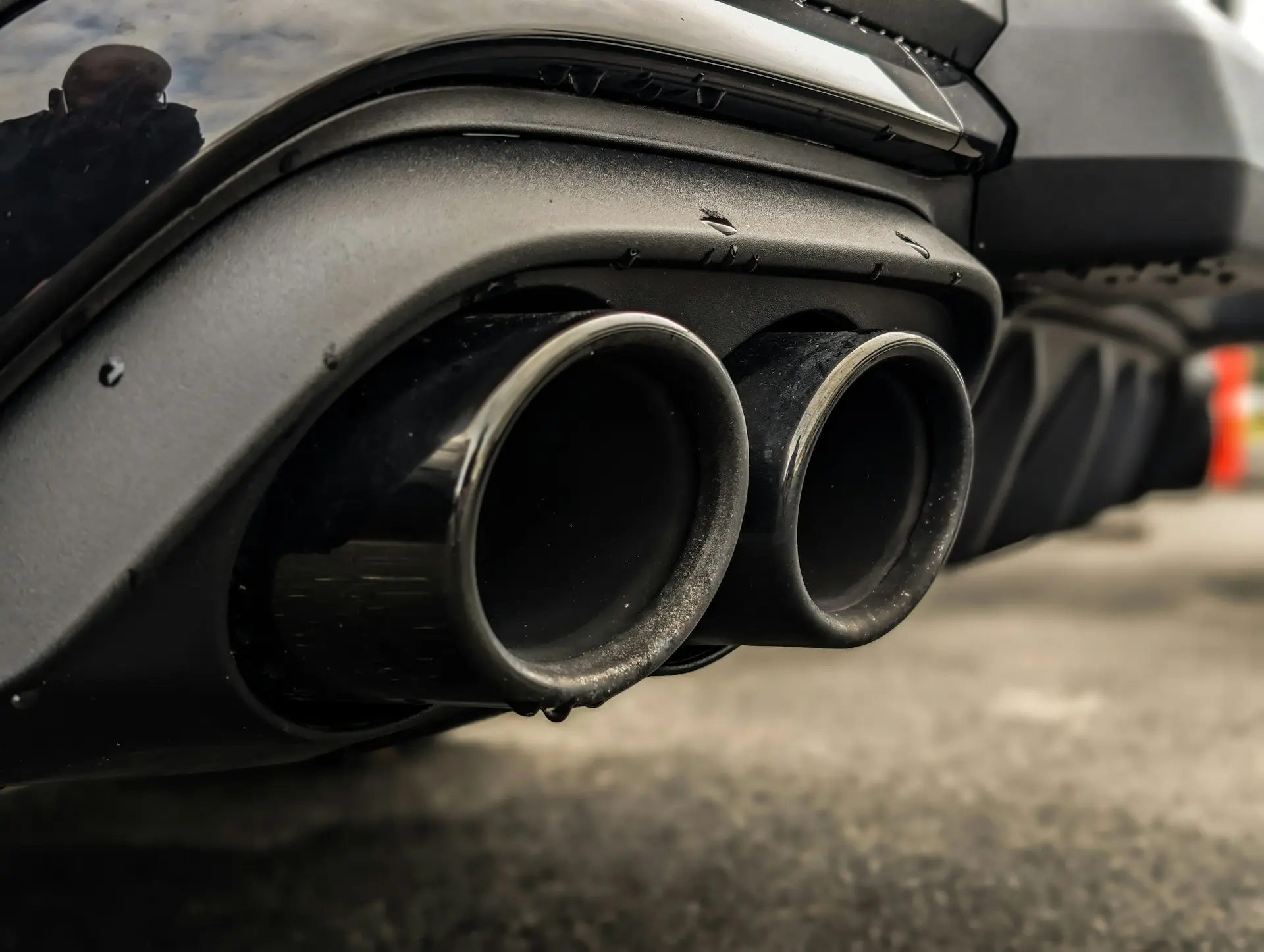
BS7 is India’s next emission framework, designed to align the country more closely with global standards such as Euro 7. The government has been under pressure to address worsening air quality in major cities, and stricter norms are a key part of that push.
Unlike earlier transitions that focused primarily on tailpipe emissions, BS7 is expected to introduce real-time emission monitoring. This means cars will continually track pollutants even after years of usage, ensuring compliance throughout the vehicle’s life.
The bigger story, however, is the disproportionate impact on diesel engines. Indian diesel units face higher scrutiny due to higher NOx and particulate emissions, which makes them significantly more expensive to upgrade.
Why Popular SUVs Could Be at Risk
The most discussed models in this transition are the Toyota Fortuner, Toyota Innova Crysta and Tata Harrier. All three rely on large or legacy diesel engines. Making these engines BS7-compliant will require major investments in after-treatment systems, sensors and updated hardware.
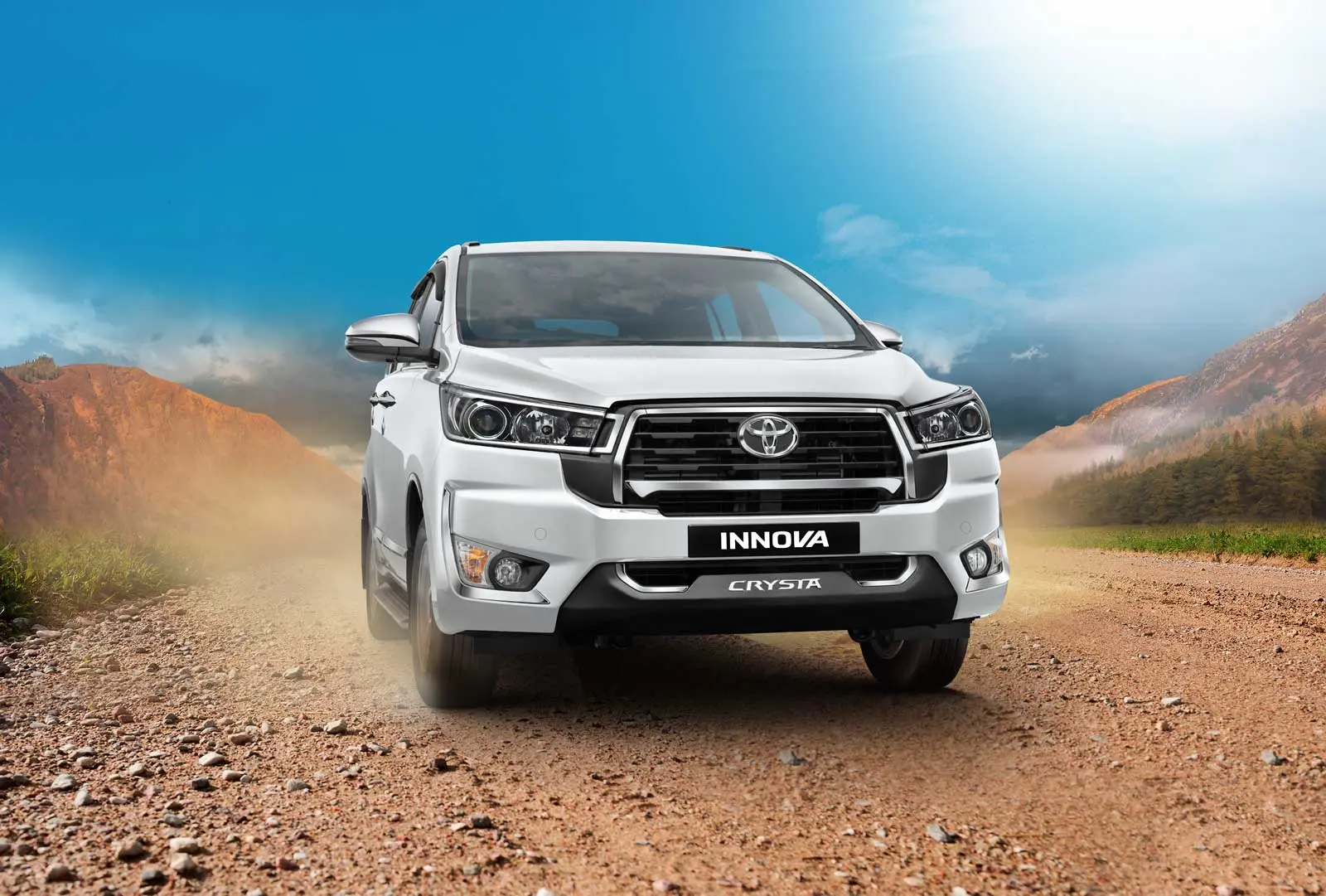
The 2.8-litre GD diesel engine found in the Fortuner and Innova Crysta is robust but expensive to modify. Its longevity makes it iconic, but that same age means adapting it to BS7 may not be financially viable.
Similarly, the 2.0-litre diesel used in the Harrier — originally a Fiat Multijet II unit — faces uncertainty. Fiat had previously confirmed it wouldn’t update the engine for future norms, though Tata now owns the rights to modify it. Still, the cost-benefit equation remains unclear, especially in a market gradually shifting toward hybrids and EVs.
What This Means for Indian Buyers
If BS7 is implemented without relaxation, car prices across segments will rise. Diesel vehicles will be hit hardest because of costlier emission components like particulate storage systems, improved SCR units and more advanced onboard sensors.
For buyers, this could mean:
- Higher ex-showroom prices
- Fewer diesel options in the long run
- Stronger hybrid and turbo-petrol alternatives gaining traction
The emotional impact is also real. India has a deep diesel culture, especially among SUV enthusiasts who love the torque, efficiency and long-distance capability these engines provide.

Why Manufacturers Are Worried
Car companies now face a tough choice: upgrade old engines at great cost or develop new ones altogether. Both options are expensive and risky. Any miscalculation could push customers toward competitors who transition faster or offer compelling hybrid alternatives.
Manufacturers with large diesel portfolios will feel the most pressure. Toyota, Mahindra and Tata must reassess their long-term strategies, especially for models positioned as rugged, long-distance SUVs.
The shift may accelerate the industry’s slow but steady move toward cleaner alternatives. Strong hybrids, in particular, could become the new mainstream for premium SUVs.
The Road Ahead
BS7 is more than a regulatory update; it marks a crossroads for India’s automotive sector. Whether the Fortuner, Innova Crysta and Harrier survive in their current form depends on how aggressively the norms are enforced and whether manufacturers are willing to invest heavily in diesel’s future.
If India aligns fully with Euro 7, we may see the gradual phase-out of large diesel engines. If the government grants flexibility, some popular models might get a lifeline.
Either way, BS7 is set to redefine what Indian SUVs will look and feel like in the coming decade.
