Mexico’s 50% Tariff Shock Puts India’s $1 Billion Car Exports at Risk
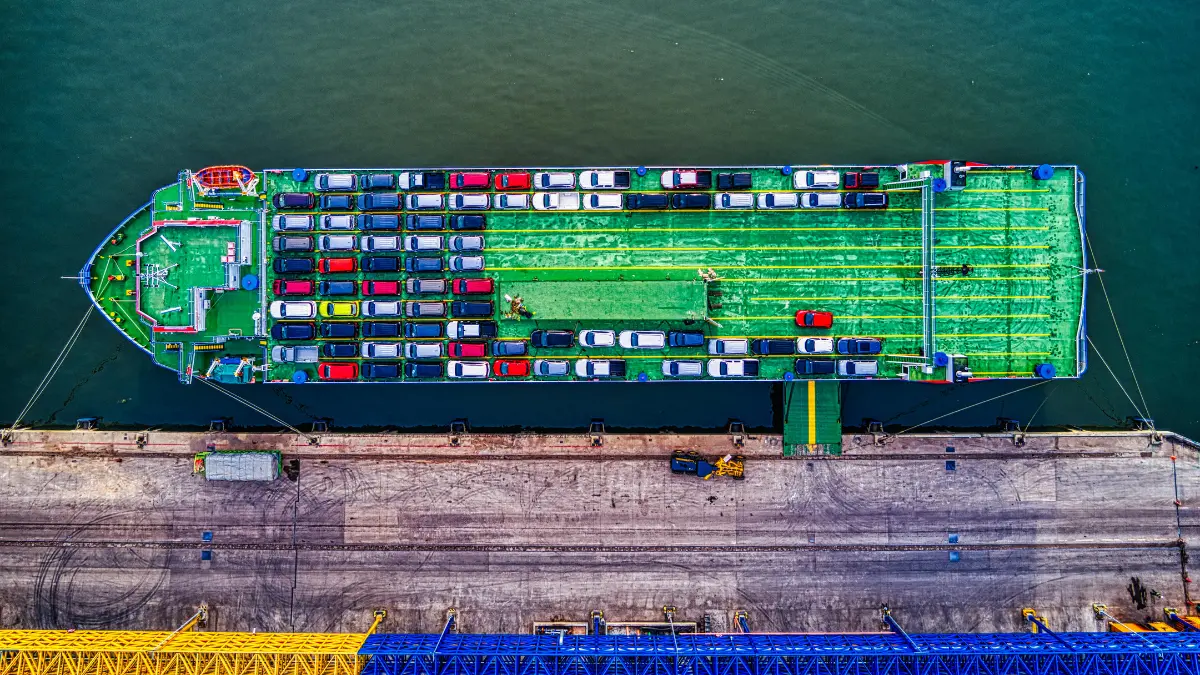
Mexico’s surprise decision to raise car import duties from 20 per cent to 50 per cent has created an immediate setback for India’s auto exporters. The move places nearly $1 billion worth of shipments at risk, affecting brands that rely heavily on Mexico as a key global market. The tariff change also adds geopolitical pressure at a time when global trade tensions are already reshaping manufacturing strategies.
Why Mexico Raised Tariffs to 50%
Mexico’s government approved the tariff hike as part of a broader push to protect domestic jobs and strengthen local industries. The increase applies to countries without formal trade agreements with Mexico, including India and China. While framed as an economic measure, the decision also comes amid growing pressure from the United States, which has urged Mexico to limit business ties with China. The move has drawn criticism from Mexican business groups that fear higher costs for consumers.
India–Mexico Trade and the High-Risk Auto Segment
India and Mexico have built a steady trade relationship over the years, with total trade surpassing $8 billion in 2023–24. Passenger vehicles form one of the most significant export categories, contributing close to $1 billion annually. Mexico remains India’s third-largest car export market after South Africa and Saudi Arabia. This concentrated dependence makes the new tariff especially damaging for Indian automakers.
Carmakers Most Affected by the Tariff Shock
Volkswagen’s Skoda Auto division is the most exposed, accounting for nearly half of all Indian car exports to Mexico. Hyundai, Nissan and Maruti Suzuki are also bracing for steep impacts, with shipments of compact, sub-one-litre cars forming the bulk of their Mexican portfolio. These models are designed specifically for Mexican buyers and are not intended for re-export to North America, making the tariff hit even more direct.
How Automakers and Industry Bodies Responded
Before the tariff was finalised, the Society of Indian Automobile Manufacturers urged India’s commerce ministry to intervene. The industry body argued that Indian-origin vehicles do not compete with Mexico’s high-end domestic production and therefore pose no threat to local industry. Automakers also highlighted that imported cars make up nearly two-thirds of Mexico’s market, with India holding only a small share. For now, there is no clarity on whether diplomatic talks will take place or if the tariff can be reconsidered.
The Larger Impact on India’s Auto Manufacturing Strategy
Automakers in India have long relied on export-led strategies to maintain production volumes and achieve economies of scale. Mexico’s tariff hike could disrupt this model, forcing companies to rethink manufacturing plans or explore alternative markets. The development also complicates India’s pitch as a cost-effective manufacturing hub at a time when global protectionism is rising.
What Happens Next for India’s Automakers
The coming months will be crucial as the new tariffs take effect. Carmakers may be forced to adjust pricing, reduce shipments or shift their export focus to other regions. The Indian government could open discussions with Mexico, but the geopolitical undertones make the situation more complex. For now, India’s auto industry faces a period of uncertainty as it evaluates the long-term effects of Mexico’s decision.
For more updates on India’s global automotive developments, explore related stories on Autosy.in.
