How to Buy a Used Porsche Cayenne with Confidence
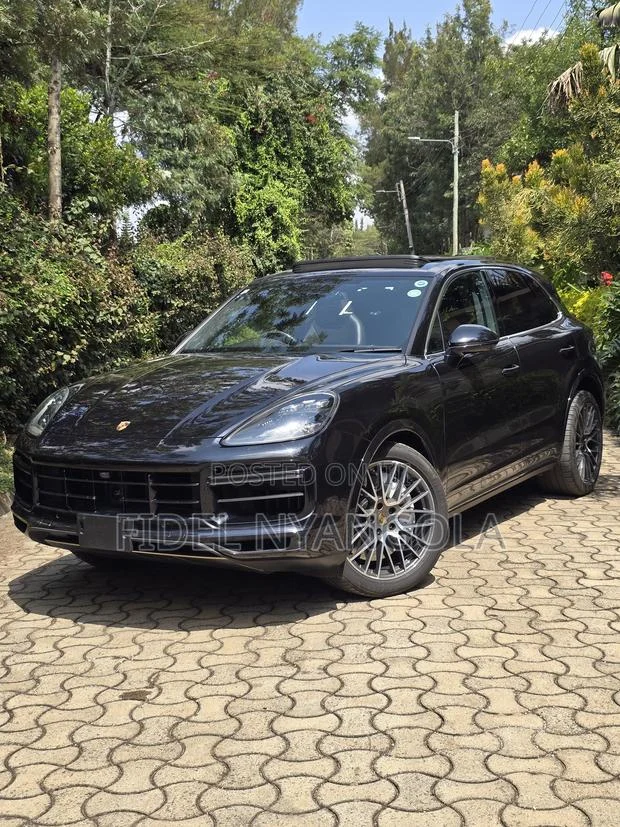
A Porsche Cayenne can combine family space with an engaging drive, but a used example deserves more scrutiny than a polished advert can provide. Different versions, ages and options change the ownership experience, and a car that feels strong on a short test route may still have expensive work ahead. The smart starting point is to decide what you need from the SUV, then assess the exact vehicle’s history, condition and likely costs. This guide covers variant checks, mechanical inspection, daily practicality and a safe purchase process for buyers in Kenya.
Registration and transfer requirements may change. Confirm the current procedure with Kenya’s National Transport and Safety Authority or a qualified professional before completing the sale.
Start with your passengers and routes
Think about the people and equipment the car will carry in a normal week. Sit in both rows, check how easily passengers enter and leave, and test the boot with luggage or other regular items. If you use child seats, confirm they fit without forcing the front occupants into uncomfortable positions. A luxury SUV should still make family routines simple. Also measure your parking space and check whether the car’s turning circle and visibility suit the places you visit often.
Consider the roads on your regular journeys, including the school run and any longer trips you make regularly. Tyres and suspension settings that feel responsive on smooth tarmac may be less comfortable on broken surfaces. If the car will travel far from specialist workshops, service access and the ability to get suitable parts matter. Write down these practical needs before an exciting test drive changes your priorities.
A look at Porsche Cayenne listings shows cars of different years, versions and conditions. Use the range to select candidates, then request the vehicle identification details, exact specification, service records and a list of known faults. Do not assume that two Cayennes with similar photographs have the same engine, drive system or equipment.
Identify the exact version and options
The Cayenne name covers several powertrains and trim levels. Confirm the actual version using factory information and the car’s documentation rather than relying on a badge or a seller’s description. Options such as suspension, cameras, seating and driver assistance can differ by car and model year. Decide which features matter to you, then test each one on the specific example. A missing feature is easier to accept before purchase than after you discover the advert was vague.
Ask whether the car has been modified. Wheels, exhaust systems, software and suspension changes can affect comfort, reliability and insurance. Request invoices and an explanation of why the work was done. A modification is not automatically a problem, but undocumented changes make the car harder to evaluate. An independent specialist can help distinguish a well executed alteration from one that creates future complications.
Read maintenance records closely
Request dated invoices and evidence of scheduled work. Compare the timeline with the odometer and the condition of the cabin, tyres and brakes. An attractive mileage figure is only one piece of evidence. Ask about repairs to major systems and what maintenance is due next for the exact version. If records come from different countries or workshops, build a simple chronology and note the gaps you cannot explain.
Spend time understanding the cost of deferred work. Tyres, brakes, fluids and other consumables should be appropriate for the car, not merely present. A seller may say that a warning light or small leak is easy to fix; ask a specialist to diagnose it and provide a written estimate. A discount is useful only if it realistically covers the work and inconvenience you will take on.
Inspect the body and cabin
View the car in daylight. Look at paint consistency, panel gaps, glass, lights and the alignment of doors and tailgate. Examine the underside for leaks, damage or corrosion. Check tyres for uneven wear and visible damage; if wear is uneven, have the cause investigated. Fresh paint or new wheels may be harmless, but ask what prompted the change and whether repair records exist.
Inside, check for dampness, staining and excessive wear. Test seats, windows, climate control, screens, audio, cameras and parking aids. Open the sunroof if fitted and inspect its operation and surrounding trim. Try the rear seats and cargo cover rather than assuming that the cabin’s premium appearance means everything works. A broken comfort feature may not prevent driving, but its repair cost can still change the decision.

Drive it beyond a quick loop
Ask to begin with a cold start. Watch for warning messages, rough running, smoke or unusual noises. Drive in slow traffic, at normal cruising speed and over roads similar to those you use. The car should accelerate and slow predictably, with smooth steering and braking. Note vibrations, harsh shifts or noises that appear only when the vehicle is warm. A longer drive can reveal behaviours that a brief demonstration hides.
Try parking and manoeuvring in realistic spaces. Check the view through mirrors and any camera system without assuming the technology replaces direct observation. After driving, look for fresh leaks or smells. Write down concerns immediately, then ask the specialist to investigate them. Do not accept pressure to decide before you have had time to understand the results.
Use a specialist pre-purchase inspection
Choose a workshop familiar with the exact Cayenne generation and powertrain. Ask for an assessment of the engine, transmission, cooling, suspension, brakes, steering, electrical systems and body. A diagnostic scan is useful, but it should be paired with a physical inspection and road test. Request a report that separates safety issues, near-term maintenance and cosmetic matters. If the car has special equipment, ask the technician to test it specifically.
Discuss parts availability and repair lead times. Even when a car is running well, knowing where it can be serviced helps you plan ownership. If the seller refuses an independent inspection, treat that refusal as significant. A premium badge does not reduce the need for ordinary mechanical evidence; it increases the value of finding problems before the sale.
Check keys, software and daily controls
Ask how many working keys are included and test each one. Confirm that locking, unlocking and starting behave consistently. Explore the main screen and driver settings to see whether the controls are intuitive for you. If a navigation or connected feature matters, verify that it functions in your region and with your phone rather than relying on the icon on the dashboard.
Ask whether recent software work or electrical repairs are documented. A system that resets, loses settings or displays occasional errors warrants investigation. These issues may seem less urgent than brakes or tyres, yet they can make a premium car frustrating to use every day and expensive to diagnose later.
Estimate the cost of owning the SUV
Ask an insurer for a quote based on the exact car and intended use. Budget for fuel, tyres, brakes, scheduled service, secure parking and a reserve for unexpected repairs. Your driving pattern will affect consumption more than any general claim in an advert. Compare candidates by the total cost of putting them into dependable condition, not only by the asking price. A well documented car can represent better value than a cheaper example with unclear history.
Think about downtime as well. If the vehicle is essential for daily travel, how will you manage while it is being serviced or waiting for parts? If you mostly drive in a crowded city, consider whether a larger, performance-oriented SUV is comfortable for that role. Being honest about compromises is part of choosing a car you will continue to enjoy.
Verify ownership and complete the deal carefully
Match the identification details on the car to official registration records and confirm the seller can transfer it. Check for outstanding finance or document problems through appropriate channels. The NTSA service portal provides official registration services and logbook verification. Follow the current transfer process and keep a written agreement that records the vehicle, disclosed faults, included accessories and payment terms.
Inspect the actual car rather than paying based on photos or a video call alone. Be cautious about urgent deposit requests or reluctance to show documents and service records. Meet in a safe setting and use a traceable payment method. A clear paper trail protects the buyer and seller and makes later questions easier to resolve.
Maintain the car you chose
After purchase, address inspection findings in order of urgency. Follow the maintenance schedule for the exact version, keep records and respond promptly to warning messages or unusual behaviour. Check tyres regularly, especially if the car has wheels or settings that make wear harder to notice. A consistent maintenance history helps preserve reliability and gives a future buyer a more credible account of the vehicle.
The bottom line
Choose a Porsche Cayenne by matching the exact version to your routes and passengers, then verifying service history and condition. Drive the car thoroughly, obtain a specialist inspection and check ownership through official channels. The right example is one whose appeal is supported by clear records and an ownership budget you can manage comfortably.
