Electric Car Sales Surge 77% In 2025: Tata On Top, MG & Mahindra Narrow Gap
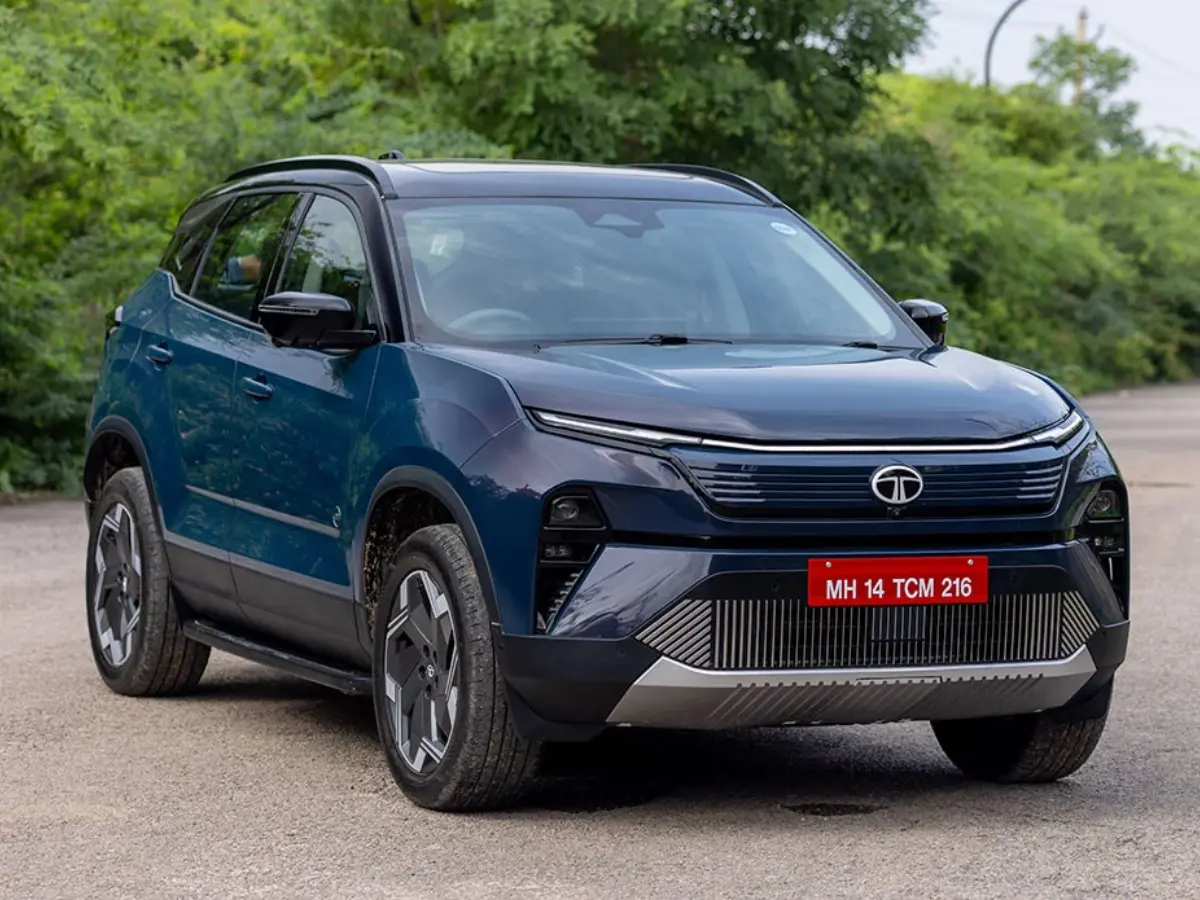
India’s electric car market crossed an important psychological threshold in 2025. For the first time, EVs were no longer just an early-adopter story but a visible part of mainstream car-buying conversations. Nearly 1.77 lakh electric cars were sold during the year, pushing EV penetration to 4 percent of total passenger vehicle sales. That number may still look small, but the pace of change is what truly matters.
| Brand | 2025 Electric Car Sales | 2024 Electric Car Sales | Y-o-Y Change |
| Tata Motors | 70,004 | 61,799 | 13.28% |
| MG | 51,387 | 21,814 | 135.57% |
| Mahindra | 33,513 | 7,139 | 369.44% |
| Hyundai | 6,726 | 914 | 635.89% |
| BYD | 5,402 | 2,869 | 88.29% |
| BMW | 3,195 | 1,227 | 160.39% |
| Kia | 2,730 | 415 | 557.83% |
| Mercedes-Benz | 1,168 | 954 | 22.43% |
| Citroen | 871 | 1,925 | -54.75% |
| VinFast | 826 | – | NA |
| Volvo | 389 | 450 | -13.56% |
| Tesla | 225 | – | NA |
| Others | 381 | 369 | 3.25% |
| Total | 1,76,817 | 99875 | 77.04% |
Tata Motors remained the country’s largest electric car brand, but 2025 exposed a clear reality: leadership is no longer uncontested. Tata’s steady growth came alongside a noticeable dilution of its market share as competition intensified. Buyers now have more body styles, price points and brand choices than ever before, reducing dependence on a single manufacturer.
The real disruption came from MG Motor and Mahindra. MG’s rise was driven by a single, well-positioned product that balanced pricing, practicality and perceived value. Mahindra, meanwhile, used scale and aggressive rollout timing to convert curiosity into bookings, proving that demand exists when supply and execution align.
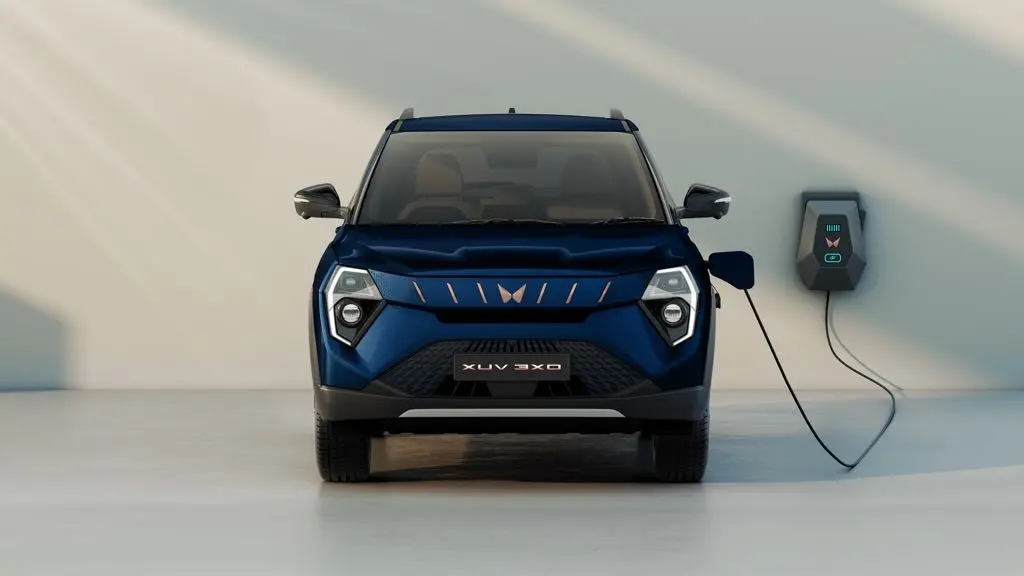
What’s equally telling is the mixed response to new launches from established global brands. High growth percentages often masked low absolute volumes, highlighting that localisation, pricing discipline and charging confidence matter far more than badge value in India’s EV space.
Looking ahead, 2025 may be remembered less for its sales figures and more for what it revealed about buyer maturity. Indian customers are no longer asking whether electric cars make sense. They are deciding which electric car makes sense for them. That shift changes everything for the industry.
