Ather Confirms Up to Rs 3,000 Price Rise in 2026: The Real Reason Behind It
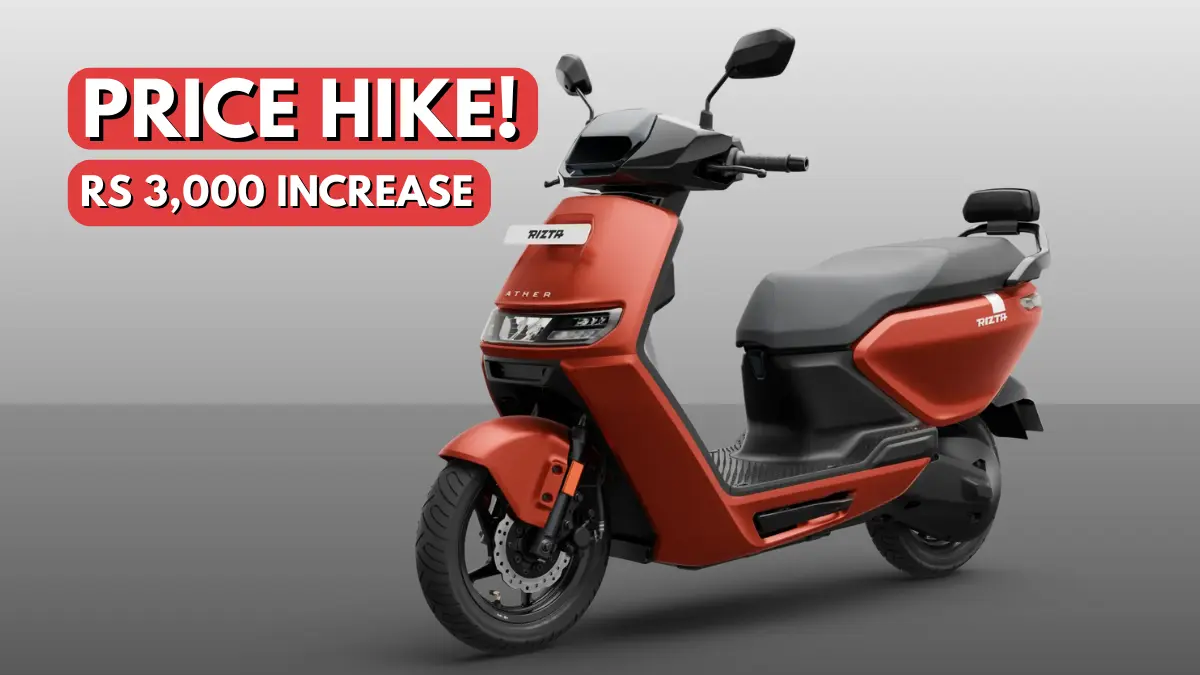
Ather’s confirmation of a price hike from January comes at a moment when Indian EV adoption is climbing fast, but cost pressures are reshaping the market. The revision capped at Rs 3,000 may seem modest, yet its timing and reasons reflect deeper shifts in the EV ecosystem. For many urban commuters, Ather is not just a premium scooter brand but a signal of how the industry reacts to global supply dynamics.
Why Ather Is Raising Prices Now
Ather’s explanation points to rising input and component costs, but this issue runs broader than raw materials. Lithium prices, semiconductor constraints, and currency fluctuations have been tightening margins for almost all EV manufacturers. With India’s EV market increasingly dependent on imported electronic components, even a small shift in global prices impacts domestic players.
Ather is choosing to pass on part of this increase now, rather than absorbing it. For a brand positioned in the premium EV space, sustainability of quality and long-term support is integral. The hike is less about profitability and more about keeping pace with global sourcing costs.
What This Means For Buyers in India
For buyers considering Ather’s 450 series or the family-oriented Rizta models, the next few days become more crucial. December purchases can avoid the January hike, but more importantly, customers can unlock year-end promotional benefits worth up to Rs 20,000.
That incentive changes the equation. The package includes cash discounts, credit card EMI benefits, and an extended 8-year battery warranty on select models, making December the stronger value window. Once the hike takes effect, the entry point into Ather ownership shifts slightly upward.
A Look at Ather’s EV Lineup
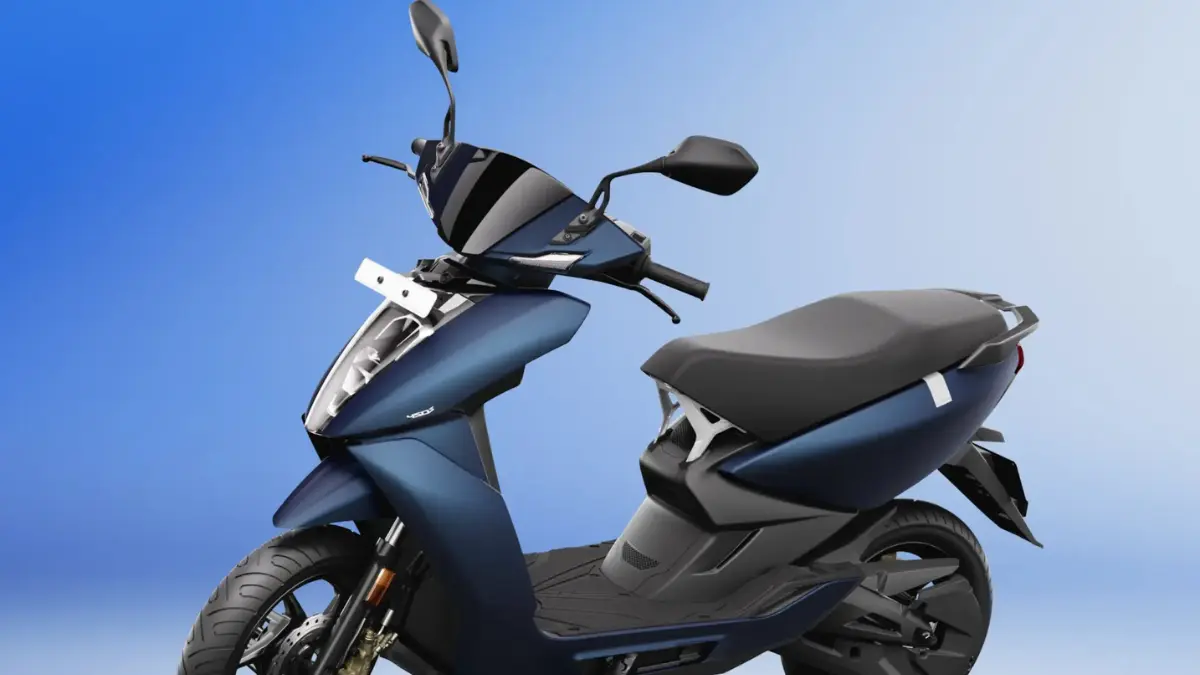
Ather’s portfolio today spans nine variants across the 450 series and the Rizta. The 450 series continues to push performance and connected tech, offering features like traction control, MagicTwist regenerative throttle, and Google Maps integration. Meanwhile, the Rizta has become Ather’s breakout success, crossing two lakh units thanks to its practical design, 56-litre storage, and safety-focused tech such as SkidControl and Fall Safe.
This combination of performance and family-friendly options strengthens Ather’s position as Indian EV buyers look beyond just range and charging.
The Bigger Picture: Ather’s Growing Ecosystem
Ather’s charging footprint has expanded significantly. With over 4,300 chargers worldwide, the brand now offers one of India’s most reliable fast-charging networks. The company also sells through physical experience centres and major online platforms, a strategy that widened its reach beyond metros.
The 2026 price adjustment doesn’t exist in isolation. As Ather scales production and expands its charging network, operating costs naturally rise. Ensuring charger uptime, software updates, and service support requires a steady financial foundation.
Future Implications for the EV Market
Ather’s move could trigger similar adjustments across the industry. With several automakers already hinting at price corrections in early 2026, Indian EV buyers may see a more expensive landscape in the months ahead. Government subsidies are also evolving, and manufacturers are preparing for a more self-sustaining phase of growth.
For customers, the message is simple: EV prices in India won’t remain static as long as global supply chains stay volatile. Brands with advanced components and stronger service networks will see the most pressure.
Should You Buy Now or Wait?
For most buyers, December presents real value. The additional warranty and incentives outweigh the upcoming hike. If you’re already considering an Ather, delaying till January offers no advantage.
But for those still exploring options, the key is to evaluate long-term running cost and charging convenience, not just upfront pricing. Ather’s network and reliability remain strong selling points even with the revised pricing.
India’s EV revolution is still in its early chapters, and price shifts like this underline the industry’s transition from subsidy-dependent to market-driven. Ather’s transparency about the hike offers clarity at a time when buyers value stability.
