How Sustainable Waste Management Is Transforming Modern Automotive Workshops
Editorial Note: This article was contributed by an external partner and reviewed by the Autosy editorial team to ensure it aligns with the publication’s editorial standards and automotive focus.
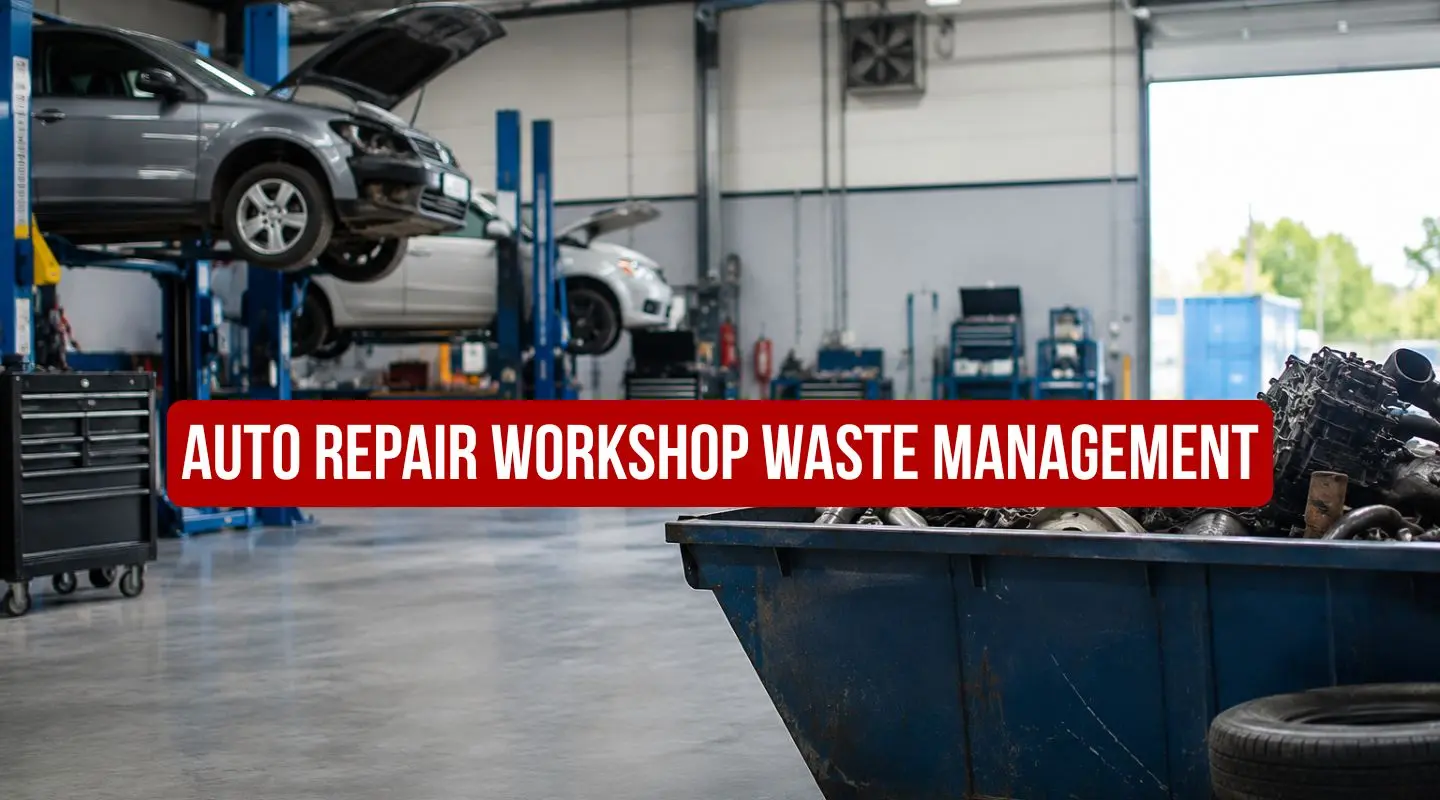
Modern automotive workshops are evolving beyond simply repairing and servicing vehicles. As environmental awareness grows and customers place greater value on sustainable business practices, workshops are increasingly adopting cleaner, safer, and more efficient ways to manage everyday operations. One area receiving greater attention is waste management.
From routine servicing and collision repairs to vehicle restoration and workshop renovations, automotive businesses generate a variety of waste materials. Managing these materials responsibly not only helps maintain a clean working environment but also improves operational efficiency and supports long-term sustainability goals.
Why Waste Management Matters in Today’s Automotive Industry
Every automotive workshop produces waste as part of its daily activities. Packaging from replacement parts, damaged plastic components, scrap metal, worn-out tyres, old shelving, wooden pallets, and renovation debris can quickly accumulate if not managed properly. Keeping these materials organized reduces clutter, creates a safer workplace, and allows technicians to work more efficiently.
Good waste management also reflects positively on a business. Customers are more likely to trust workshops that maintain clean, organized facilities, while employees benefit from a safer and more productive working environment. As sustainability becomes a larger focus across the global automotive industry, responsible waste practices are increasingly viewed as part of professional workshop management rather than an optional extra.
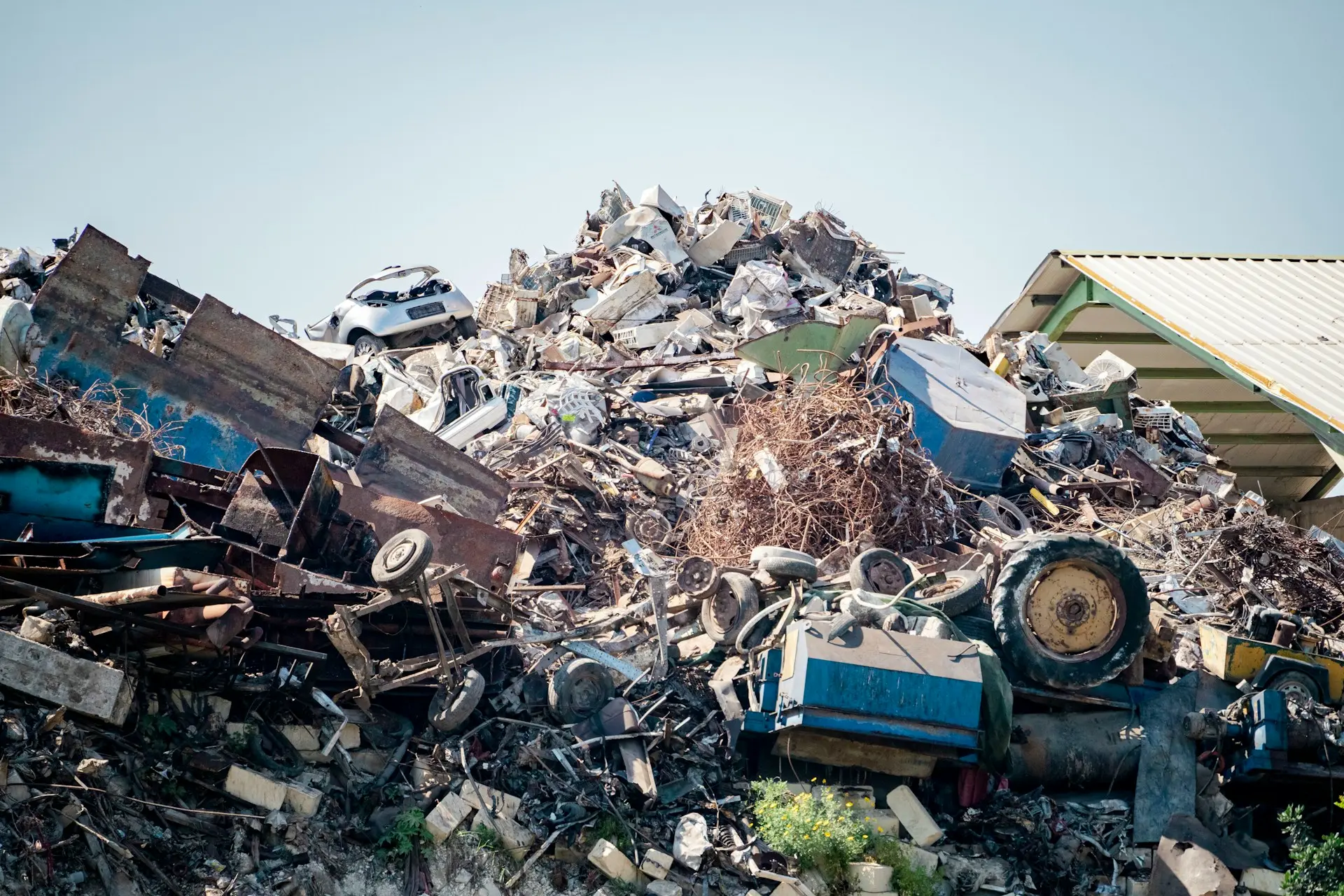
It’s also important to distinguish between general workshop waste and hazardous automotive materials. Items such as used engine oil, batteries, solvents, coolants, and other chemicals require handling and disposal in accordance with local environmental regulations. Meanwhile, many non-hazardous materials, including cardboard, plastic packaging, scrap metal, timber, and renovation debris, can often be sorted for recycling or disposed of through appropriate waste collection services.
Many workshops are also embracing recycling initiatives by separating reusable materials wherever possible. Metals, cardboard, and certain plastics can often be recovered instead of being sent to landfill, supporting broader circular economy efforts within the automotive sector.
Practical Ways Workshops Can Improve Sustainability
Creating a more sustainable workshop does not necessarily require major investment. Small operational improvements can deliver meaningful long-term benefits.
Regularly organizing storage areas helps prevent unnecessary accumulation of unused materials and obsolete equipment. Recycling suitable materials whenever practical reduces landfill waste while supporting responsible resource management. During workshop renovations, equipment upgrades, or large-scale clean-outs, arranging appropriate waste collection services can help maintain an efficient workflow and minimize disruption to daily operations.
Professional waste collection providers can also assist workshops undertaking refurbishment projects by supplying containers suitable for managing eligible non-hazardous waste generated during these activities. For automotive businesses operating in Australia, services such as skip bin hire may offer a practical solution for handling general workshop debris, construction materials, and other approved waste streams during larger clean-up projects. Hazardous automotive waste, however, should always be managed through licensed disposal or recycling channels in accordance with applicable regulations.
Sustainability extends beyond waste disposal. Many modern workshops are adopting energy-efficient lighting, reducing paper usage through digital service records, improving inventory management to minimize unnecessary packaging, and encouraging recycling throughout their facilities. Together, these initiatives contribute to cleaner operations while supporting environmental responsibility across the automotive industry.
As vehicle technologies continue to evolve, workshop practices will also need to adapt. Businesses that prioritize organized operations, responsible waste handling, and sustainable processes are likely to be better positioned to meet future customer expectations and industry standards.
Conclusion
Sustainable waste management has become an essential part of operating a modern automotive workshop. Maintaining clean facilities, recycling appropriate materials, and ensuring responsible disposal of both general and hazardous waste can improve workplace safety, enhance efficiency, and reinforce a workshop’s professional reputation.
Whether managing day-to-day servicing activities or undertaking a major renovation, planning waste disposal as part of workshop operations contributes to a more organized and environmentally responsible business. By combining good housekeeping practices with suitable recycling and waste collection solutions where appropriate, automotive workshops can continue supporting a cleaner and more sustainable future for the industry.
