Why Nitin Gadkari Says His Family Gets ‘No Benefit’ From the E20 Fuel Push
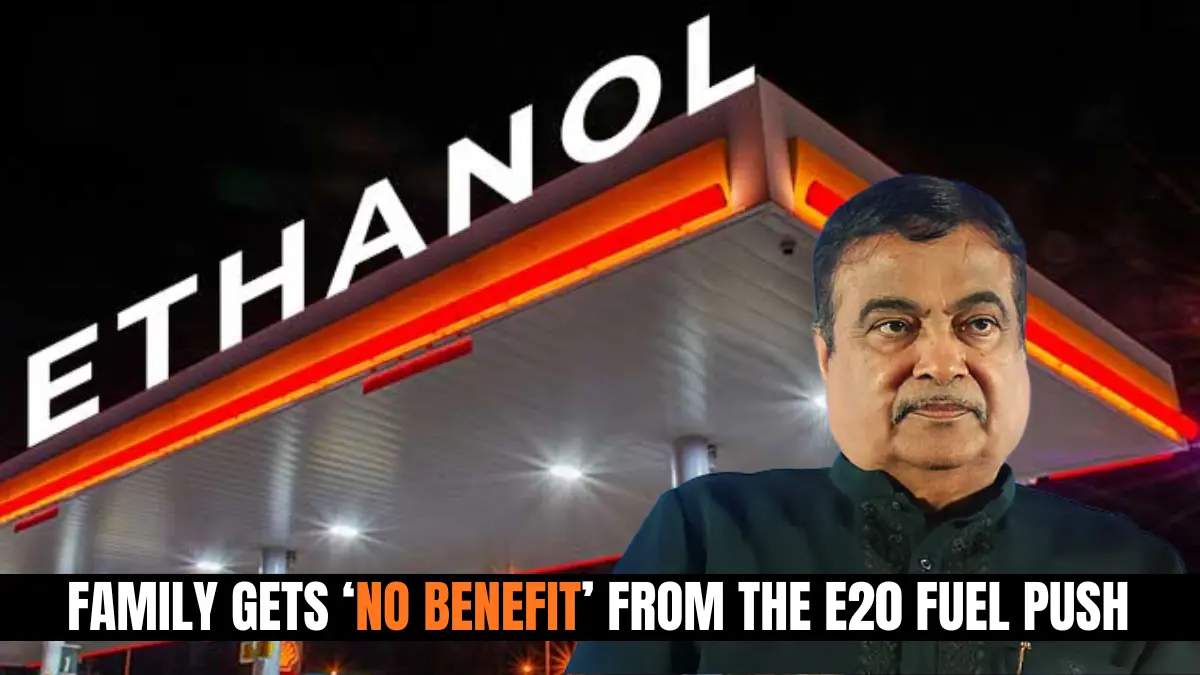
India’s shift to 20% ethanol-blended petrol (E20) has become one of the most talked-about fuel transitions in recent years. And along with the aggressive rollout came sharp criticism — especially aimed at Union Transport Minister Nitin Gadkari. Some alleged the policy directly benefits companies associated with his family. A recent interview clip sparked further social media fire, pushing Gadkari to respond bluntly.
“My Family Doesn’t Gain From E20” — Gadkari
Dismissing the accusations, Gadkari says the entire narrative is politically motivated. According to him, his family’s involvement in ethanol production is too small to influence national policy or create personal profit.
He claims that their ethanol output accounts for less than 0.05% of India’s total supply — and that he has no operational role in the business. Procurement, he adds, happens through government-approved pricing and procedures.
The Bigger Debate: Who Really Benefits?
Supporters of E20 argue the policy:
- Reduces crude oil imports
- Boosts farmers growing maize and sugarcane
- Cuts vehicle emissions over standard petrol
Gadkari insists these broader national goals are why the policy exists — not business interests.
But critics point to a different angle: share prices of ethanol-associated companies — including his son’s firm — have surged dramatically since the E20 rollout.
The Rising Share Price Question
When questioned on why certain stock valuations shot up, Gadkari blamed market perception — not personal gain.
He said the rise in his family-linked company’s value came from internal business expansion, not ethanol profits. Yet, accusations continue online, adding more political heat to the discussion.
What About Cars and Consumers?
The E20 rollout has raised questions among motorists:
- Will it affect engine durability?
- Will mileage drop?
- Will maintenance costs rise?
Gadkari argues that for newer vehicles designed for ethanol blends, no harmful effects exist, and automakers are already aligned with the transition.
Fuel Policy vs Public Trust
The minister maintains that E20 represents a cleaner, farmer-friendly fuel future for India. But the controversy shows one thing clearly: transparency matters. Any policy that impacts millions of car owners must be backed with clear communication and strong public data.
Conclusion
Whether this is political mudslinging or a genuine conflict of interest concern, the truth still demands clear proof. Gadkari’s strong denial may calm some debates, but India’s shift to greener fuels will continue to face tough questions.
