2026 Tata Punch Facelift Brings Turbo Petrol, ADAS and Fresh Interior

Tata Punch has always played a unique role in India’s car market. It wasn’t the most powerful small SUV, nor the most feature-heavy, but it built its reputation on safety, practicality and everyday usability. With the 2026 facelift now officially unveiled, Tata Motors appears ready to move the Punch beyond its original brief and reposition it as a more rounded, tech-forward offering.
This update is not just about cosmetic freshness. It reflects how buyer expectations in the sub-4-metre SUV space have changed over the past few years, especially in urban India.
A Design Update That Signals Maturity
The 2026 Punch adopts a sharper, more contemporary design language inspired by newer Tata models, including the Punch.ev. The revised front end with slim LED DRLs and reworked headlamp housings gives the SUV a more premium stance without making it look aggressive or overstyled.
At the rear, the connected LED tail lamps and flatter boot profile modernise the look and help the Punch visually stand out in traffic. Importantly, Tata has avoided drastic shape changes, which means the Punch still looks familiar to existing owners while feeling newer to prospective buyers.
Interior Changes That Reflect How Indians Use Their Cars
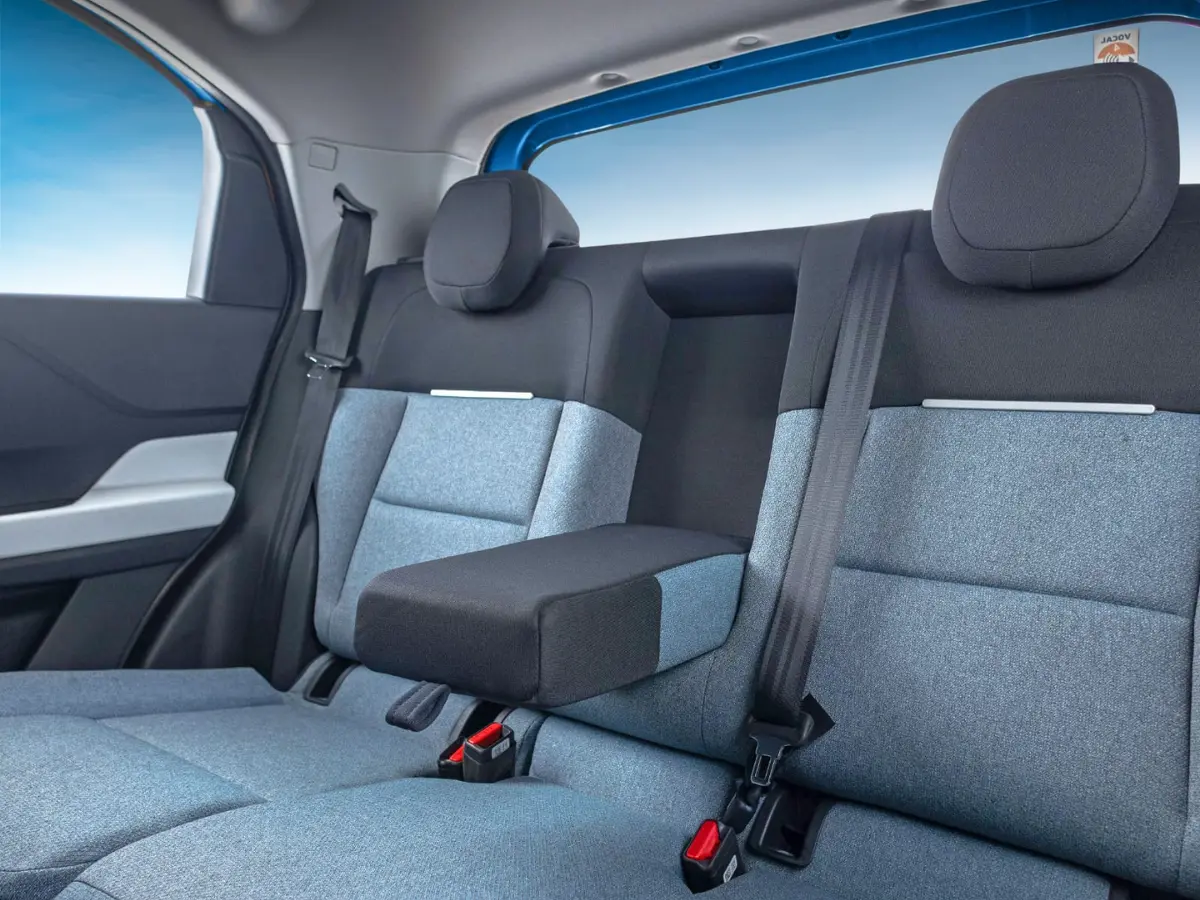
Inside the cabin, the facelift brings meaningful upgrades rather than superficial ones. The new two-spoke steering wheel, digital instrument cluster and updated upholstery align the Punch with Tata’s newer portfolio.
More importantly, features like automatic climate control, a larger touchscreen interface and faster charging support directly address daily usability. For city-focused buyers who spend hours in traffic, these additions make a bigger difference than headline-grabbing gimmicks.
Comfort improvements such as better under-thigh support for the driver and a rear armrest also show Tata’s focus on longer ownership satisfaction, not just showroom appeal.
ADAS: A Segment-Defining Move
The biggest talking point of the 2026 Tata Punch is the introduction of Advanced Driver Assistance Systems. In a segment where safety discussions usually stop at airbags and ABS, ADAS represents a significant leap.
By offering features supported by radar and camera systems, Tata is effectively bringing technology that was once limited to larger, more expensive cars into the entry-SUV space. For Indian buyers, this matters because road conditions and unpredictable traffic behaviour often make driver assistance more valuable here than in mature markets.
Combined with six standard airbags and the Punch’s existing five-star Global NCAP credentials, this move strengthens Tata’s long-standing safety-first image and puts pressure on rivals to respond.
Turbo Petrol Power Changes the Punch’s Character
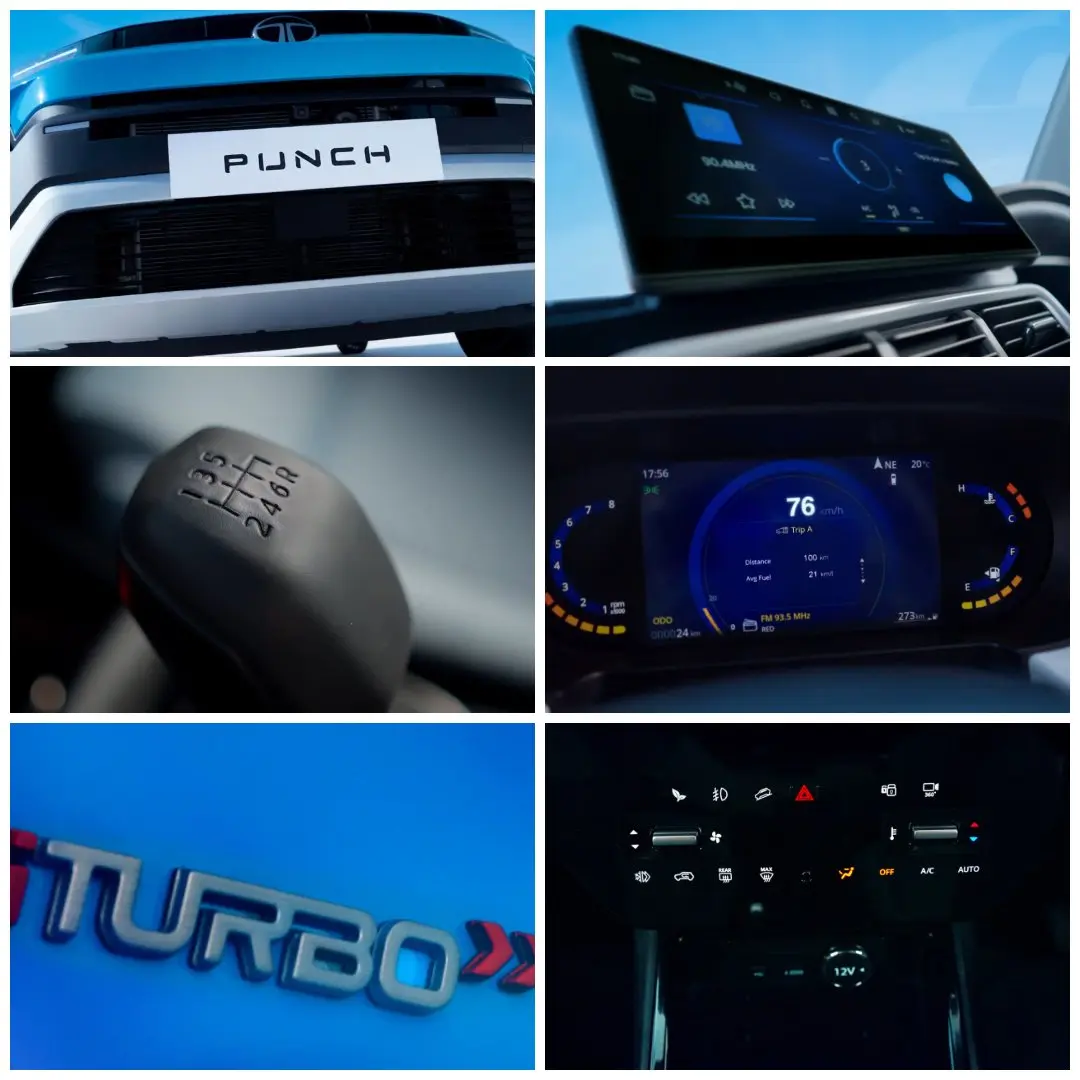
Until now, the Punch has been criticised for prioritising safety and stability over outright performance. The addition of a 1.2-litre turbo petrol engine changes that narrative.
With expected outputs of around 110 PS and 140 Nm, the turbo variant should offer noticeably stronger mid-range performance, making highway driving and overtaking less stressful. The pairing with a six-speed manual transmission further suggests Tata is targeting buyers who want a more engaging driving experience, not just a city runabout.
At the same time, Tata continues to offer the familiar naturally aspirated petrol and CNG options, ensuring the Punch still caters to budget-conscious and fuel-efficiency-focused customers.
Why This Facelift Matters for the Segment
The small SUV category has become one of the most competitive spaces in the Indian market, with buyers demanding the look of an SUV, the features of a premium hatchback and the safety of larger vehicles.
By introducing ADAS and a turbo engine in the Punch, Tata is effectively redefining what buyers can expect at this price point. This facelift is less about chasing rivals feature-for-feature and more about setting a new benchmark that others will be forced to acknowledge.
What Comes Next for Buyers
The 2026 Tata Punch is scheduled to launch in India on January 13, 2026, with prices expected to remain accessible despite the significant upgrades. If Tata manages to balance pricing with the added technology, the Punch could appeal not just to first-time buyers, but also to urban families upgrading from hatchbacks.
In many ways, this facelift shows Tata Motors’ confidence in the Punch brand. Rather than replacing it or radically reinventing it, Tata has chosen to evolve the Punch in line with how Indian car ownership itself is evolving: safer, smarter and more demanding than ever before.
