2026 Tata Harrier–Safari Petrol Launch: A Direct Challenge to Creta and Hector
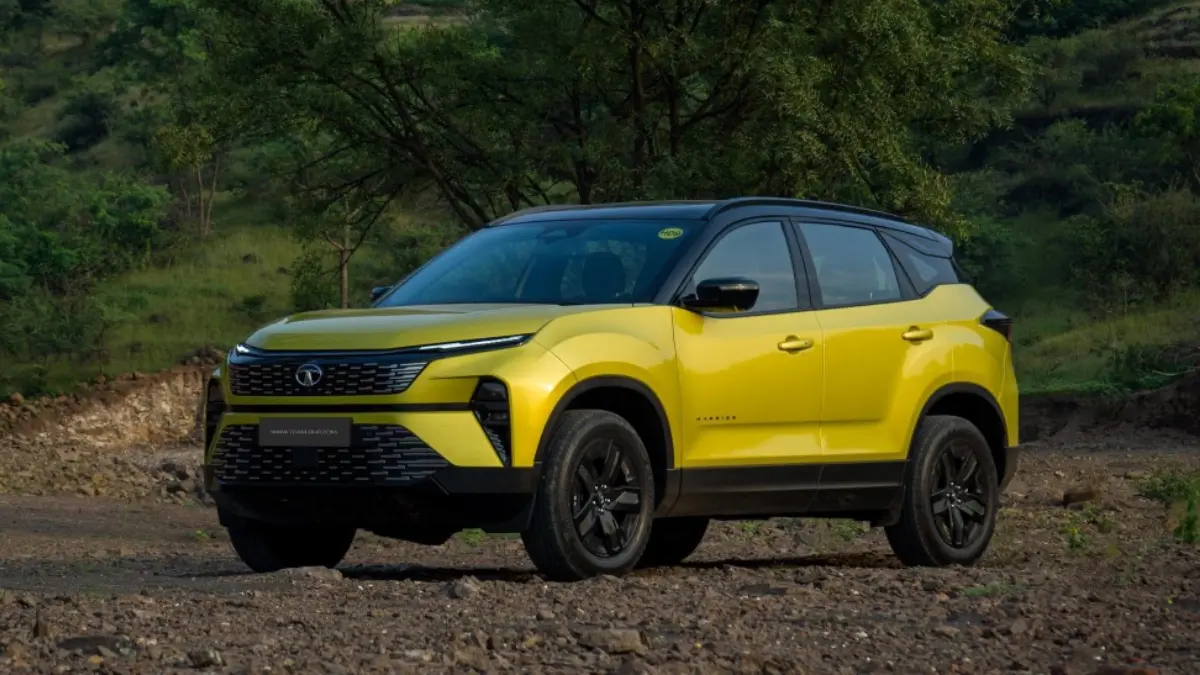
The arrival of the 2026 Tata Harrier and Safari petrol models marks a major shift in India’s premium SUV market. For years, buyers seeking strong petrol performance in the mid-size and full-size SUV segments have turned to rivals like the Hyundai Creta, Alcazar, and MG Hector. Tata’s new move directly counters them by finally bringing a modern, high-output turbo-petrol engine to its flagship SUVs.
A New Direction With the Hyperion Turbo Engine
At the centre of Tata’s strategy is the new 1.5-litre Hyperion GDi turbo-petrol engine. It produces 170 PS and 280 Nm, numbers that place it squarely against the engines powering the Creta, Alcazar and Hector. The focus here is not just raw output but real-world drivability. Tata has engineered this motor with advanced tech like a high-pressure 350-bar injection system, an electronically controlled variable geometry turbo and intelligent software-driven systems for smoother shifts and cleaner launches.
The petrol Harrier and Safari are also lighter than their diesel counterparts by around 80 kg. This is expected to improve performance and overall efficiency, making them more competitive in urban-heavy usage where petrol SUVs dominate.
Premium Interiors and Feature Upgrades
Tata has used this opportunity to elevate the cabin experience. The Harrier gets a dual-tone Oyster White and Titan Brown theme, while the Safari adopts a richer Carnelian Red interior. Material quality, seat finish and overall ambience feel more premium and more modern, which is essential when competing with the Creta and Hector, both known for feature-heavy cabins.
One highlight is the new 36.9 cm Samsung Neo QLED display, claimed to be the world’s first in an ICE vehicle. Paired with a 10-speaker JBL system with Dolby Atmos, it positions Tata’s SUVs as tech-forward products rather than just rugged alternatives. Features like Mappls navigation, an arcade app suite, Alexa integration and a refined JLR-inspired shifter further add to the premium feel.
Strong Road Presence and New Exterior Themes
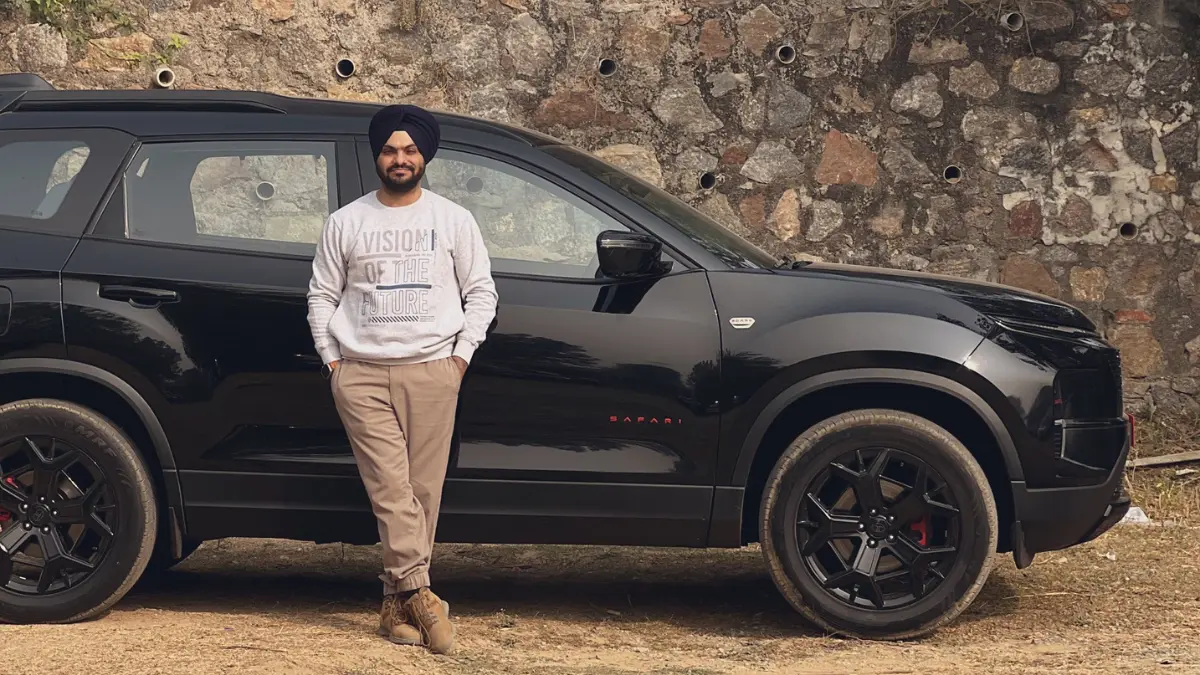
Both petrol SUVs maintain their imposing design, with the Harrier retaining its wide, muscular stance and the Safari continuing its three-row appeal. Tata has also introduced new colour themes including Nitro Crimson and Carbon Black. Larger alloy wheels and red brake callipers on the Safari enhance its visual punch.
Safety and ADAS Strengthen Tata’s Case
Safety continues to be a major strength for Tata. The petrol Harrier and Safari retain their 5-star Bharat NCAP ratings and include Level 2+ ADAS with over 22 active features. Tata’s electronic stability program, lane assistance, adaptive cruise control and autonomous emergency braking make these SUVs some of the safest in the segment.
In comparison, rivals like Creta and Hector offer ADAS in limited variants, giving Tata an advantage for buyers prioritising safety and driver aids.

Variant Spread and Market Positioning
Tata is offering the petrol powertrain across Smart, Pure, Adventure, Fearless and Accomplished trims. Additional Dark, Stealth and Ultra editions cater to design-focused buyers. This broad lineup mirrors the Creta and Hector strategy, allowing Tata to target a wider customer base.
Early indications suggest that automatic variants with the new petrol engine will attract buyers migrating from compact SUVs to larger, more feature-loaded options.
Why This Launch Matters for the Indian Market
The premium SUV space has seen a strong demand shift toward petrol powertrains, and Tata needed a serious entrant. With this launch, Tata not only fills a critical gap but also signals a long-term move toward modern petrol technology developed in-house.
The Hyperion engine is built for durability, with lakhs of testing kilometres under extreme conditions. This gives Tata an opportunity to build trust among petrol SUV buyers who previously preferred Korean or Chinese-origin powertrains.
The Road Ahead
The 2026 Harrier and Safari petrol models are more than just variant additions. They represent Tata’s ambition to compete head-on with established leaders like Creta and Hector in the petrol segment. If pricing remains competitive, these SUVs could pull a significant number of buyers who were earlier hesitant due to the lack of a refined, powerful petrol engine.
As the market evolves, this launch could push rivals to revisit their petrol strategies, bringing more innovation and better-equipped models for Indian customers.
